


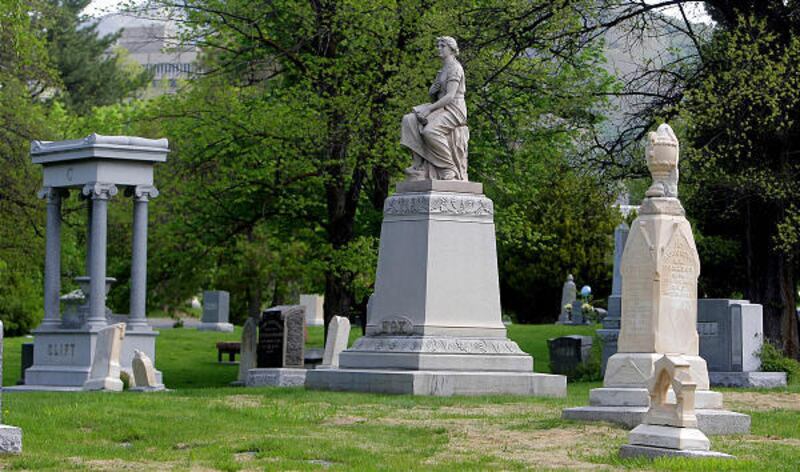

As early settlers moved West, they were determined to take culture and civilization with them.
One of the profound and fascinating examples of that is the pioneer cemetery, says art historian Annette Stott.
"Before the advent of art museums, public libraries or civic sculpture, the Western cemetery functioned as a repository of art and history," Stott writes in her recently published book, "Pioneer Cemeteries: Sculpture Gardens of the Old West" (University of Nebraska Press, $36.95).
"Filled with carved wooden headboards, inscribed local stones and Italian marble statues, cemeteries functioned as symbols of stability and progress toward a European-inspired vision of Manifest Destiny."
For the project, Stott, who is director of the School of Art and Art History and a professor of art history at the University of Denver, surveyed cemeteries throughout Colorado, Idaho, Montana, Utah and Wyoming. "I've always found old cemeteries to be outdoor classrooms," she said in a telephone interview from her office.
In many of the Rocky Mountain towns, she notes, cemeteries often began as unkempt "boot hills," reflecting the violent early days of mining camps and cattle towns, but they quickly developed into "fair mounts," filled with increasing evidence of cultural refinement.
Utah cemeteries, just as Utah settlement, took a somewhat different path, Stott said.
"Utah's pioneer cemeteries seem more orderly," she said, "probably because those pioneers came with clear attention to settlement. They planned from the first to stay and develop." In many cases, their cemeteries skipped the more random "boot hill" stage and were plotted out in neat sections.
Yet, she said, the infusion of culture, the inclusion of art and decoration were similar to what was being done elsewhere; or, in many cases, superior to what was being done elsewhere.
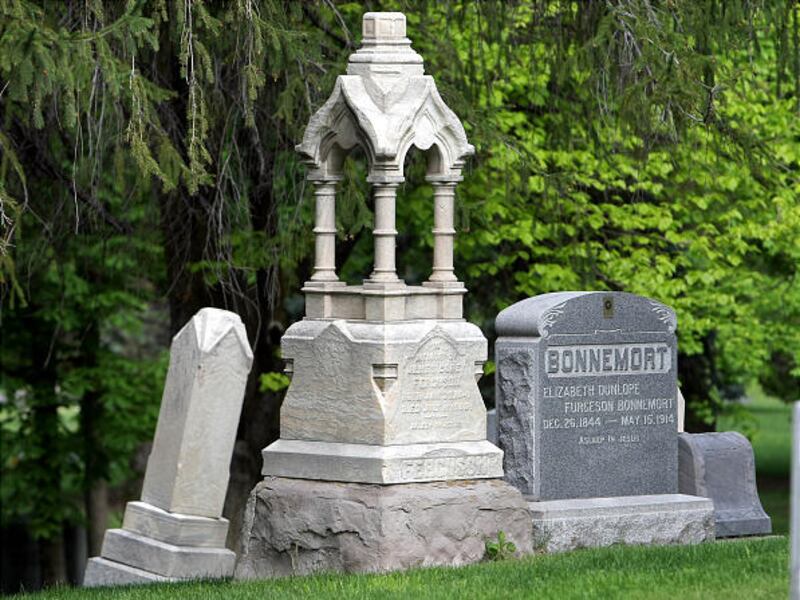
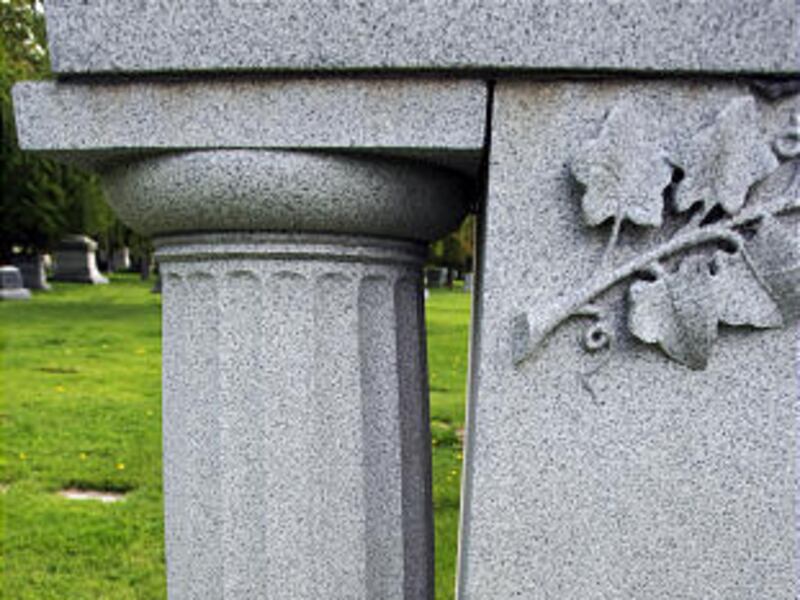
One thing that makes Utah cemeteries unique, she said, is that "many of the beautiful carvings were done by trained stone masons, almost all of them English, who had come to the area to carve and make decorations for the Temple. You see the English influence in a strong Gothic flavor, reminiscent of what you would find on a church or cathedral in Europe."
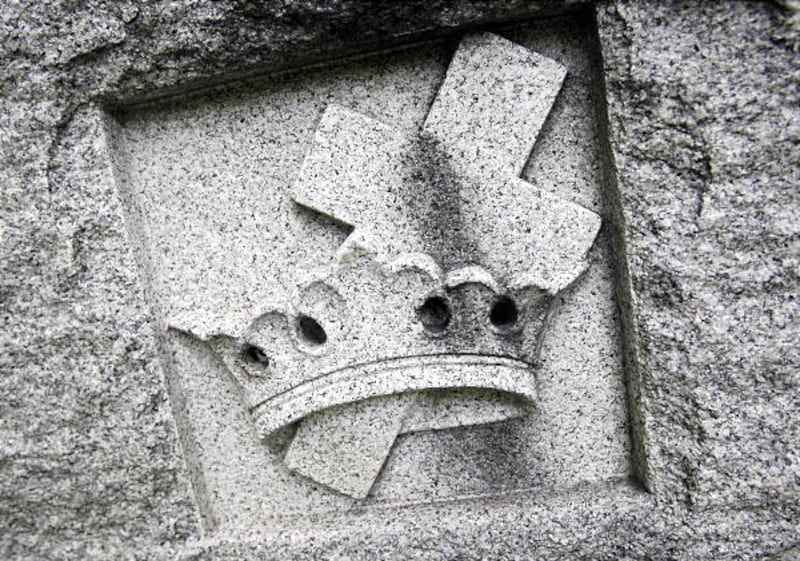
Symbolism tended to be strong in pioneer cemeteries. "There was a visual language, easily understood by the general public," she says. "Everyone knew what it meant and why it was there."
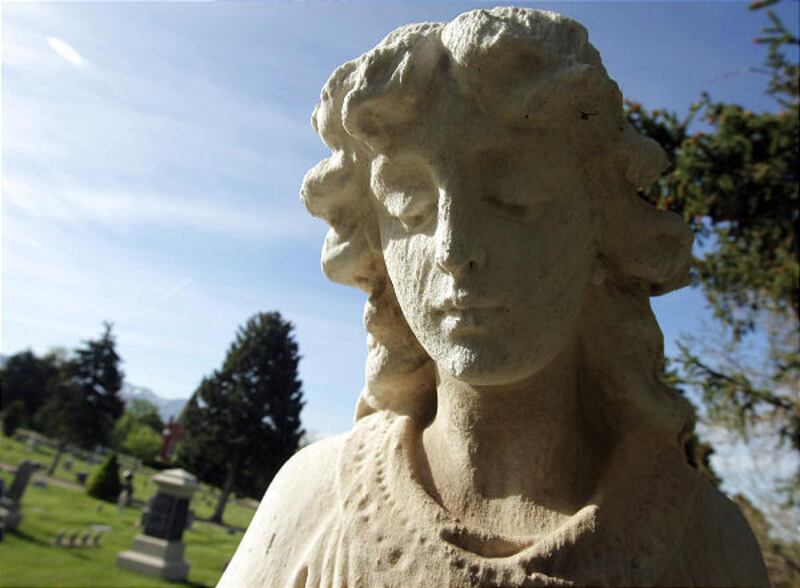
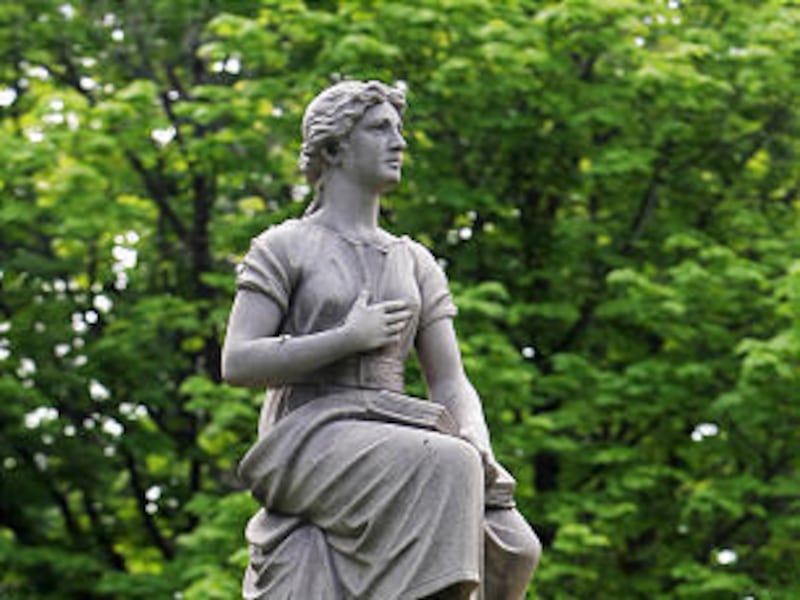
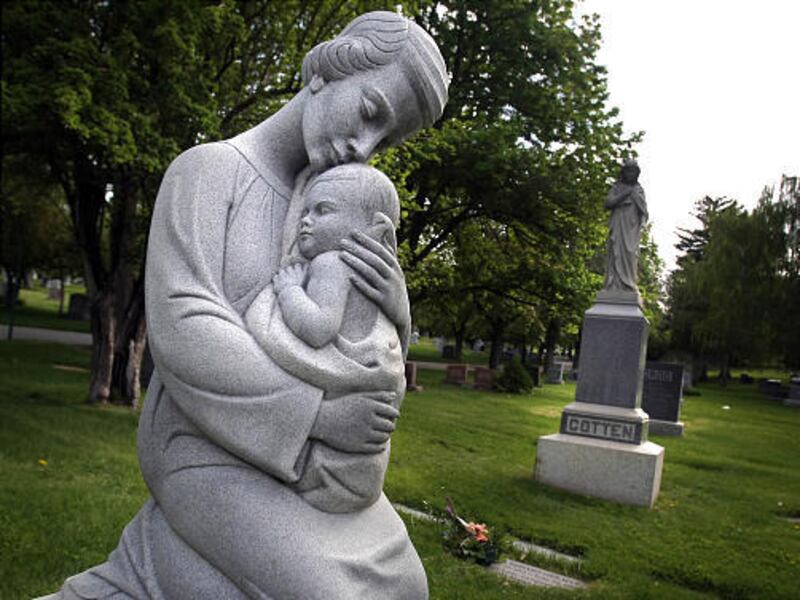
Motifs often included broken rosebuds, urns, flowers, lambs (particularly for children), broken trees, books and draped cloth. An occasional statue can also be found.
A clasped handshake, which could be read as a farewell to loved ones on earth or a reunion with already deceased family members, shows up on a lot of early Mormon headstones; although, notes Stott, there seems to be little evidence that it was more often used there than elsewhere.
Images that are "noticeably absent from many Latter-day Saints' gravestones include angels, souls and images of heaven."
On the other hand, Mormon headstones tend to be heavy on inscription, she says, due in part to the desire to record dates of baptisms, marriages and other milestones, as well as the desire on the part of early polygamists to record names of wives and children.
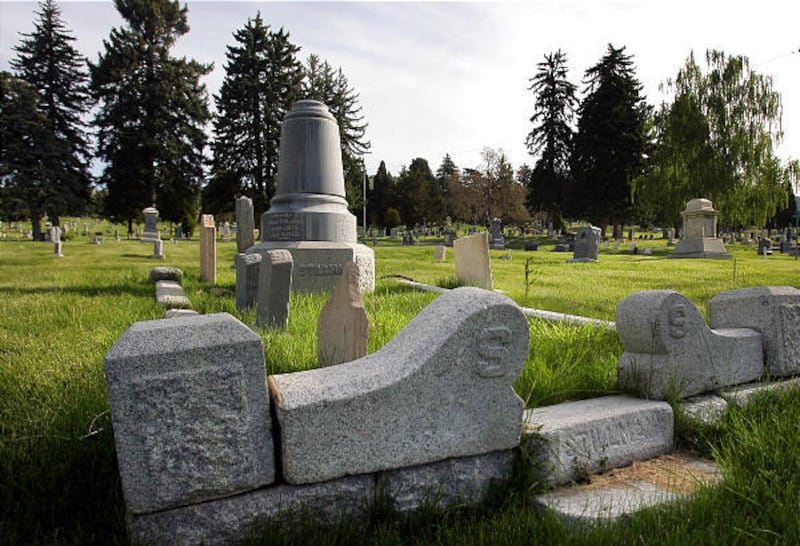
Most of the earliest headstones were carved out of local sandstone. But, says Stott, after 1869, when the transcontinental railroad was completed, many local carvers turned their skills toward marble, as that material became easier to obtain.
Many of these trends can be found in the Salt Lake City Cemetery, one of the Utah cemeteries Stott visited in connection with her book.
As the oldest cemetery in Utah, it is a fine repository of early Mormon culture and art, she says.
The cemetery was started in 1847, just two months after the pioneers settled in the valley, when George Wallace buried his child, Mary, there. In 1849, some 20 acres were set aside; in 1851, when Salt Lake City was incorporated, it officially became the Salt Lake City Cemetery. Today, it encompasses more than 250 acres and is the largest city-operated cemetery in the country.
But Mormon cemeteries were not the only pioneer cemeteries in Utah. For example, in 1874, a group of leaders from other denominations in the territory petitioned the federal government to set aside non-denominational land for burials. Mount Olivet Cemetery became the first and only cemetery created by an act of Congress.
But, says Stott, much of the art and symbolism in the cemetery is not any different. "A single block in Mount Olivet contains five full-length allegorical figures, eight three-dimensional urns on pedestals, a dead dove at the base of a tree stump, a couple of realistic stone tree trunks and a range of blocks with ornamental carvings, in addition to relief sculptures."
For the most part in any pioneer cemetery, Stott says, gravestones were "a democratic art form, expressing the taste and ideas of the middle class, the rich, and, to a lesser extent, the poor, as well as people of many different faiths, in a space that all could experience."
Studying them, she says, helps us "better understand the roles art played in the lives of everyday people on an American frontier."
Looking at early cemeteries as early sculpture gardens can increase "our consciousness of them as beautiful, historic places that need to be cared for and protected," she said. "It is so sad to see places where memorials have been neglected or vandalized."
Cemeteries, she says, were the first public parks. They were places were communities gathered for a variety of occasions.
After Memorial Day became an official holiday in 1868, many towns held parades and festivities in local cemeteries. We continue the tradition of decorating graves with flowers on that day.
If you visit a cemetery for that occasion this year, look around you, Stott urges. Appreciate what is there. "They are wonderful places to go to experience both art and history."
E-mail: carma@desnews.com