


Park City's Greg Shaw felt the gold medal around his neck and thought of his father.
"My dad passed away two years ago," said the 20-year-old center, who helped the U.S. sled hockey team to a gold medal in the 2010 Paralympic Games last weekend in Vancouver. "He sacrificed everything he had for me to be able to play sports. It was my way of being able to be repay him."
Every time Shaw took the ice with his teammates, he felt his dad's presence. He told his family that his performance would be a tribute to his father, Charles Shaw, who died suddenly of a heart infection in 2008.
Watching her son win a gold medal was a moment Susan Shaw almost couldn't describe.
"It was just breathtaking," said his mom, Susan Shaw. "He knew his dad would be very, very proud of him. All he could think of, as he was getting his gold medal, was that his father would be very proud of him. That he'd be watching him from above."
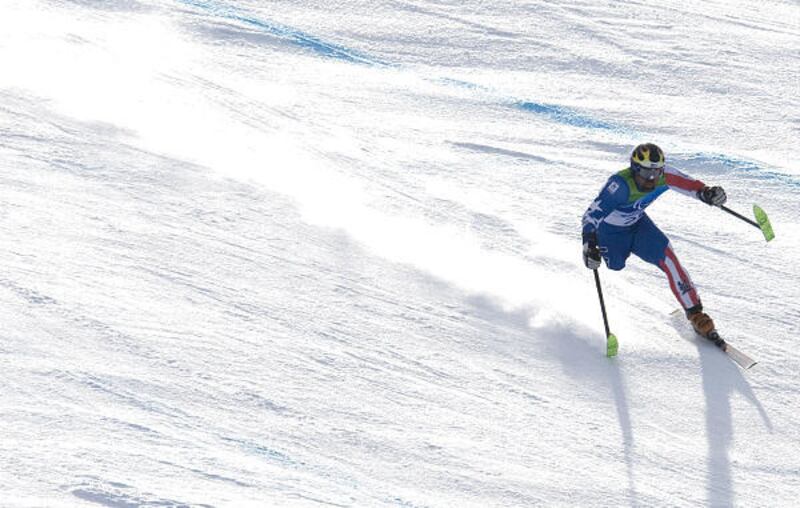
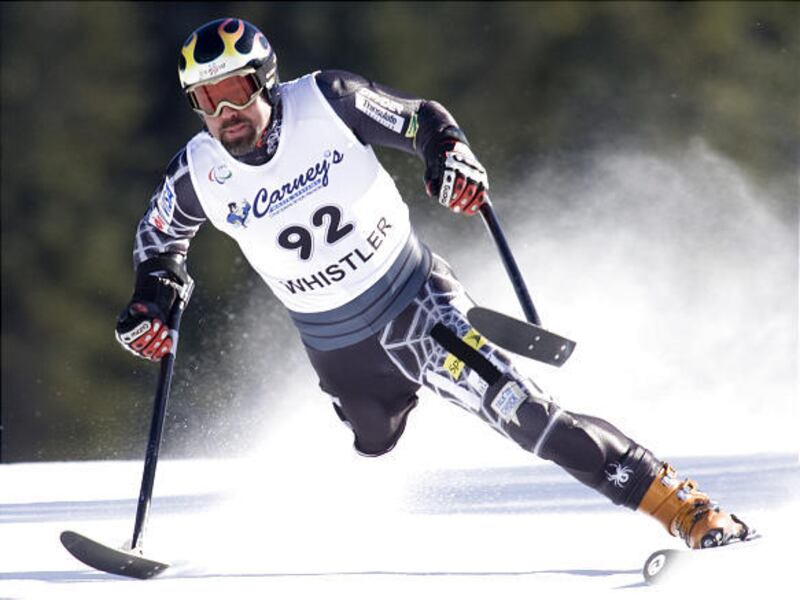
Shaw was one of six Utah athletes who represented not just the United States but the Beehive State in the 2010 Paralympic Winter Games in Vancouver. Five-time Olympian and Park City resident Monte Meier already owned three Paralympic medals, and while he didn't earn another medal in Vancouver, he was honored to be the country's flag bearer during closing ceremonies.
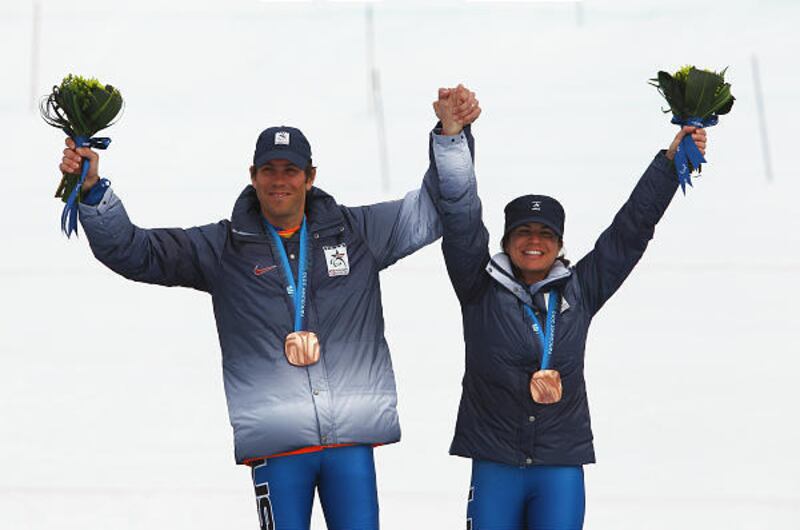
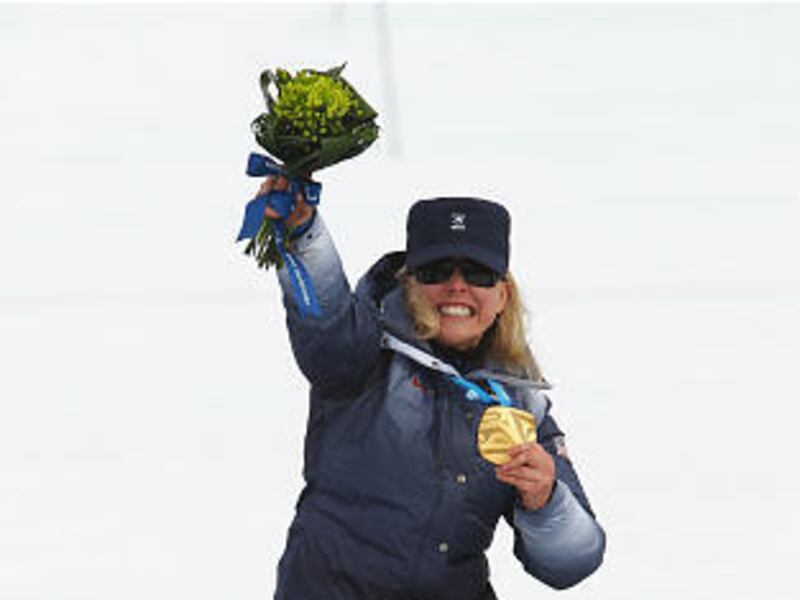
Alpine skiers and Park City residents Stephani Victor and Danelle Umstead won five medals between them.
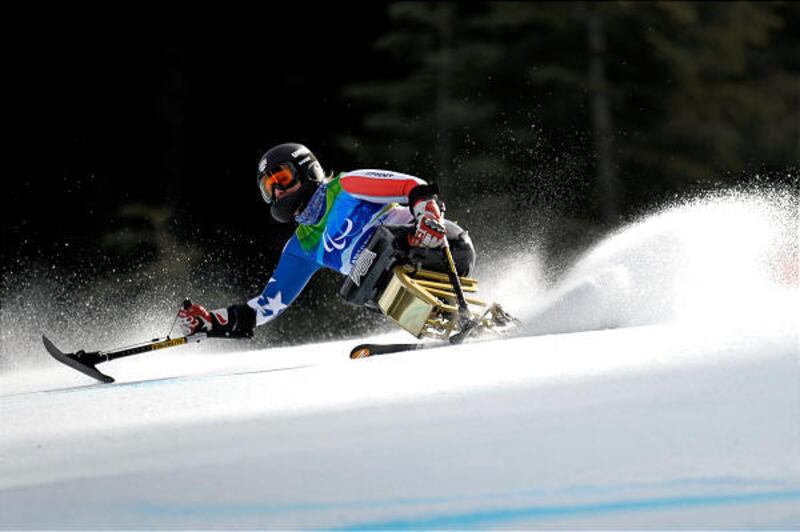
Victor, 40, who competes in alpine sit skiing, won two golds and a silver medal. Umstead competes in the visually impaired alpine competitions and is guided by her husband, Rob Umstead. She won two bronze medals — one in downhill and one in super combined.
Heber City's Chris Klebel finished ninth in the 1 kilometer seated cross country sprint race, 16th in the 10 kilometer race and eighth in the 15 kilometer event.
The local athletes competed against more than 500 athletes from more than 40 countries, which are always held a few days after the Olympics.
Earning a trip to the Paralympics wasn't something Shaw grew up dreaming about. He wasn't sure what his options were with athletics; he simply loved sports.
Shaw moved to Utah to ski through the National Ability Center but found his true love when a new ice rink opened near his home.
"A friend wanted him to come try hockey," Susan said. "He just fell in love with the sport and gave up skiing to play hockey."
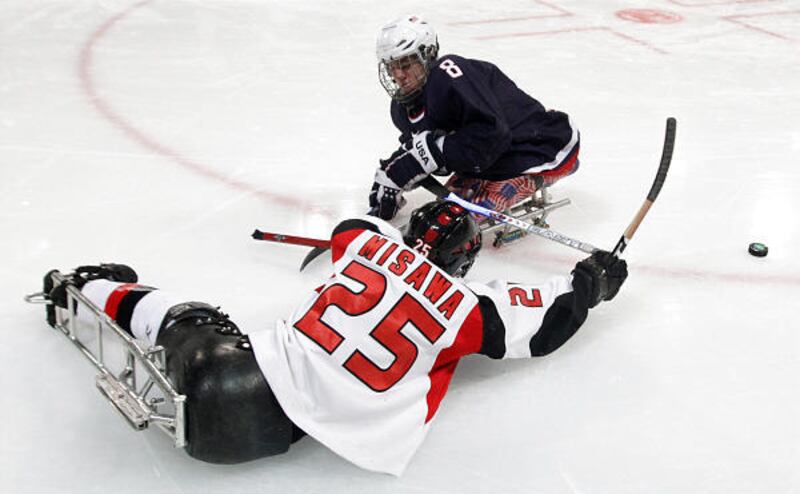
Within nine months of taking up the sport, he made the 20-and-under national team. He continued to improve and earned a spot on this year's U.S. Paralympic sled hockey team. As a center, he had one of his biggest moments when he scored the game-winning goal in the semifinals against Norway.
"It was probably the biggest goal of my career," he said. "I'm glad I had that goal."
He's also grateful that he's never been limited by a birth defect that kept his spine from developing below his waist.
"I didn't know I was disabled until I was 7," he said. "I have always been active. I have been a skateboarder since I was 2 years old. I love sports."
He said he was encouraged by his parents, who eventually allowed him to move to Park City and live with his sister when he was a teen so he could pursue skiing. The rest of the family followed and Charles Shaw even helped coach hockey once Greg found his way onto the ice.
Watching her son earn a spot on the U.S. Paralympic team was gratifying in many ways for his mom.
"It was amazing to see Greg walk into opening ceremonies," she said. "It was all our dreams come true. It was my dream that he would eventually be able to be in the Paralympics. That's what he always wanted. He's always been happy with who he is. He was born a paraplegic. He didn't even realize what a disability was until he was 7. I find that remarkable."
He credits his parents with helping him see himself as capable when others couldn't. Shaw said she just wanted her son to be happy.
"I didn't think I'd done anything special for him," she said. "I never wanted him to be anything other than what his is. I always wanted him to do his best."
The family may not have been able to join Susan Shaw in Vancouver were it not for the intervention of a corporation.
Susan Shaw said that her own health problems, which included pancreatitis and a stroke, coupled with her husband's death, made it difficult for the family to consider traveling to Vancouver to watch Greg fulfill a lifelong dream that really belonged to all of them.
"Procter & Gamble really made it happen," said Shaw of the company that sponsored a gathering place for families and assisted many of the Paralympians' families with travel expenses as part of their "Thanks, Mom" program. "For us, with his dad passing away, finances were truly a challenge for us to go there."
She is grateful the company chose to support Paralympians, just as they did Olympians.
"It was remarkable," she said of the entire experience. "It was beyond my wildest imagination to have him meet all of his dreams in life. That's what he wanted the most."
She said Procter & Gamble representatives contacted the U.S. team first and they informed Shaw they'd be willing to help the family financially.
"I was planning to go," she said. "I had some limited resources, but this made it so much easier for us. It also allowed his sister and brother to go. We wanted to all be there for him. This was his dream."
Meier understands what it's like to fulfill that dream of standing on a podium and hearing the national anthem of the country you love. He earned a gold medal in alpine skiing in 1998 in Nagano.
Meier lost his leg in an accident involving a tiller when he was 8 years old, and he took up skiing with his mother.
"I lost my leg in the spring," he said. "My mom and I always wanted to try it. We tried it together and really liked it."
But growing up in Minnesota limited the number of challenging runs.
"The hills are so small," he said laughing. "It really wasn't much of a thrill anymore. And then someone suggested racing. That got my attention."
A varsity wrestler in high school, Meier didn't get serious about ski racing until he moved to Park City.
"Seeing the mountains for the first time, I found my life's calling when I was 14," he said of his first ski races. "It was kind of a weird thing."
When Meier first started competing there was no World Cup circuit for Paralympians.
"We just had to find races," he said. "We'd race in regular FIS competitions, and for me, with my competitive spirit, it was a good thing. I knew all eyes were on me. Everyone was looking at the one legger. I wanted to put on a good show."
He said being different just pushed him even harder. And that desire to win never changed, even when Paralympians were able to ski on their own World Cup circuit.
"It's kind of fun to see how much the sport has changed since I started," he said. "The sport is really growing."
Meier retired this week, saying his body is wearing out and he wants to be able to ski for fun. He said he hopes young people are driven to accomplish and achieve the kinds of successes he's enjoyed.
"It's a big commitment," he said of becoming a Paralympian. "You have to treat it like a full-time job. It's a financial commitment and a time commitment. When they first join the scene and see how far they have to go, maybe they get discouraged."
He hopes those who are interested will stick with it, regardless of the sacrifices.
"I didn't become successful overnight," Meier said. "I was determined and I knew what I wanted to do. Representing your country is a huge honor. You're competing against the best in the world."
email: adonaldson@desnews.com