

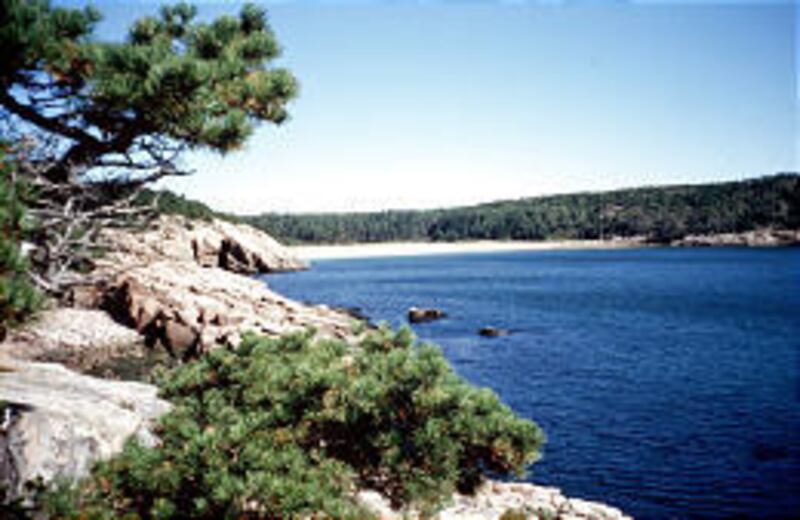
ACADIA NATIONAL PARK, Maine — If this is your first visit to Acadia National Park, you might wonder why it seems so familiar. What is it about this rocky coast? About the way the fir trees clutch the granite cliffs?
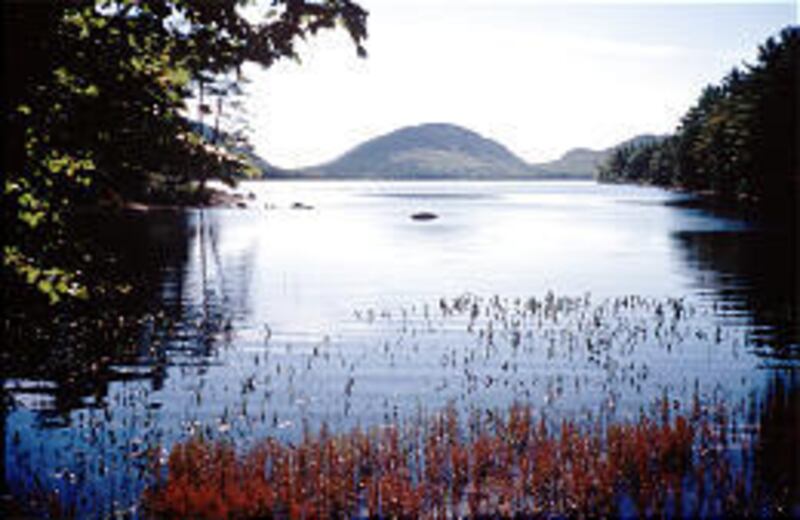
In Acadia there are lighthouses. Buoys. Gulls. Lakes. Stone bridges cross tumbling streams. In fall, the maples go orange.
Why, you might ask yourself, does Acadia feel like a place you knew long ago? Could it be because these landscapes were your Christmas gifts when you were a kid?
Through paint-by-number sets and jigsaw puzzles, you may have been raised on scenes from Acadia. If so, you'll be glad to finally get here. You'll be glad to discover that the real scenery is even prettier than the version you painted when you were 10 years old.
The park covers more than 35,000 acres. It takes up most of one large island — Mount Desert Island — as well as some small islands and a sliver of the mainland. You have your choice of ways to see it all.
There are roads, to be sure. (Of course when the fall leaves peak, the narrow highways are jammed with cars.) There are also 120 miles of hiking trails. If you want to kayak, all the towns have harbors with a ramp where you can launch. If you want to ride a horse or a mountain bike, you will love the park's 57 miles of car-less carriage trails.
By bicycle
Outside the park boundaries on Mount Desert Island are large private estates. Martha Stewart owns a mansion on Mount Deseret Island. (She likes to visit in August, but this year she was still under house arrest and couldn't come until September.) But long before Martha Stewart, and luckily for the rest of us, this place was the home of the Rockefellers and the Morgans and the Dorrs.
In the mid-1880s, artists discovered Mount Desert Island. By the end of the century, the very wealthy had claimed its beauty for their summer homes. The ocean front between Bar Harbor and Salisbury Cove came to be called "Millionaires Row."
They might have been rich, but they also loved nature, and they were public spirited. In his book, "Acadia," Robert Rothe explains how, in 1901, wealthy bachelor George Dorr did an amazing thing. He convened a meeting with the president of Harvard and 10 other men who owned property on Mount Desert Island. The purpose was to talk about how Bar Harbor was being overdeveloped.
They formed a trust to save the land for the animals and for all Americans. They donated their mountains and hills and lakes and then they bought land from their neighbors. They set about trying to donate the trust land to the federal government.
By 1912, they had 5,000 acres in their trust. In 1919, President Wilson signed a bill making Acadia the first national park east of the Mississippi.
In the end, Acadia's largest donor was John D. Rockefeller Jr. By the time of his death in 1960, Rockefeller had given 10,700 acres, more than a third of what is now Acadia National Park. He was the one who commissioned the pretty bridges and roads of crushed rock from which cars were forever banned. After he donated the roads and bridges, he continued to pay for their upkeep.
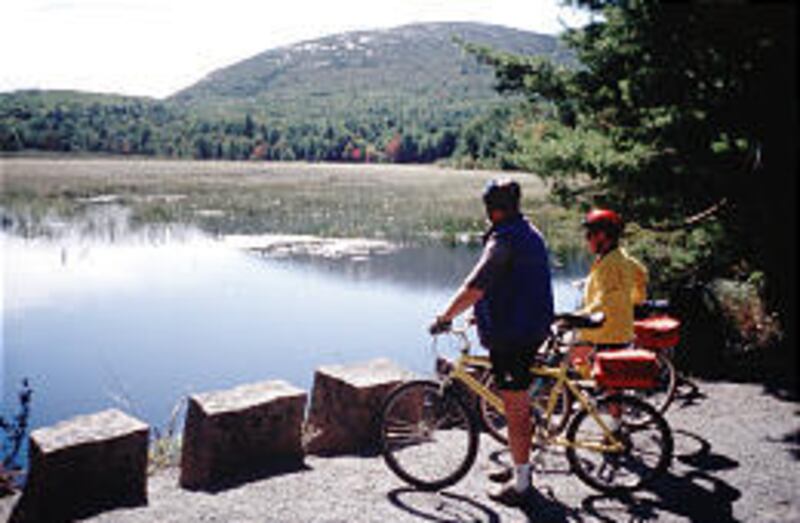
If you like an easy mountain bike ride, you will love Rockefeller's carriage roads, with their gradual inclines. They were planned to offer gorgeous vistas.
On a typical fall day, as you ride your bike, you might meet a group of women who drove eight hours to get to Acadia, bringing their horses with them in trailers. They'll tell you it is the best place on the East Coast to ride horses.
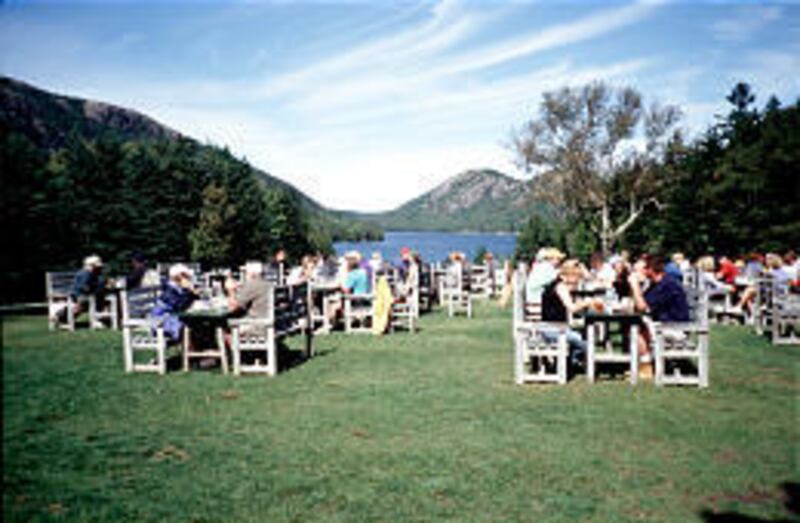
When you bike here, be sure to plan your route to put you at the Jordan Pond House at lunchtime. The popovers are delicious. (The curried chicken salad is good, but it comes with only one popover. The soup of the day is a better bet. It comes with two popovers.) You can dine out on the lawn and watch the sun shine on the water.
On foot
Some of the park's most famous sights are also accessible by car. If you walk the Ocean Trail for 2 miles, from the Sand Beach parking lot to Thunder Hole, you will be disappointed that the trail runs so close to the highway.
At any rate, Thunder Hole is worth the walk when the tide is coming in. That's when the sea rumbles and sprays and is dramatic.
Great Head Trail, on the other hand, takes you away from the highway. This trail also starts at Sand Beach. It is less than 2 miles round-trip and only 200 feet of elevation gain. While this may make Great Head seem like a great hike for little kids, it is not, because it requires scrambling over boulders. When you get to the head, you can see 300 degrees of shoreline. A sign tells you that J.P. Morgan's granddaughter donated this spot to the park.
The somewhat longer hike to the top of Cadillac Mountain is easy if you are staying at Blackwood's campground within the park. It's 7.5 miles round-trip from a spot near the campground entrance to the top of Cadillac, which is the highest point on the East Coast.
The hike is rated as moderate. Along the way you can see laurel, bayberry and wild blueberry bushes and you will be struck anew by Maine's bounty.
The Park Loop Road also goes to the top of Cadillac Mountain. So when you reach the pinnacle of your efforts, be prepared for the fact that you won't be alone. But you will love the view. You can easily spend an hour on top, just staring out in all directions.
Nearby towns
If you were to visit Mount Desert Island's main town of Bar Harbor with three other Utahns, you might find you are the only one who doesn't find the place "too touristy."
To any discerning visitor, the 210-year-old town is well worth seeing, if only for its vast array of flavors of fudge. Including blueberry. (There are also several good museums. The Abbe Museum tells the story of the American Indians who once lived here.)
You might find it hard to resist a $16 lobster dinner at one of the town's seaside restaurants. Or you might want to hear a violin concert at the historic and delightfully plain Congregational Church. (Do you fancy a fancier church? Check out the Tiffany glass at St. Saviour's Episcopal.)
The town's historic library offers a charming venue for checking your e-mail. (It's free, but you may have to sign up for a time and come back later in the day.) The library is so quaint and so New Englandy that you'll expect to see Longfellow when you walk in the door. If you go downstairs to use the restroom, glance in the classroom on the way and you just might see elementary school kids being taught to knit by a back-to-nature-looking mom who herself wears a gorgeously cabled sweater. (All that yarn will get you pondering what life is like in Maine when fall turns to winter.)
In Bar Harbor you can rent a kayak. You can make an easy half-day paddle from Seal Harbor to the village of Northeast Harbor. (It's about 7 miles round-trip, if you circle Bear Island on your way back.) If you like your charm on a small scale, you'll prefer Northeast Harbor to Bar Harbor. The highlights include a delightful bakery and a shop that sells warm and unusual nightgowns.
Seal Harbor and Northeast Harbor are the truly exclusive places to dock your yacht these days. (This according to Kathleen Brandes' handbook, "Acadia National Park.") Martha Stewart's place is in Seal Harbor, having purchased her estate in 1997 from Edsel Ford.
Apparently the Fords and Rockefellers held on to some of their land in this part of Maine. Well, who can blame them. When you visit here, you'll be glad they chose to give as generously as they did. Much as you might love the seaport towns, you will love even more the houseless hills and shores of Acadia National Park.
E-mail: susan@desnews.com