




WEST JORDAN — The first collectibles — objects made by manufacturers for the express purpose of collecting — came as premiums in other products: baseball cards in packs of cigarettes or bubble gum, for example.
But as those objects developed a secondary market and often inspired crazes, a whole new genre developed. Dolls, plates, figurines, music boxes, scale models and other such items were introduced as collectibles.
In the folk-art and figurine category, Department 56 deserves a lot of credit for kick-starting the trend, says Jim Lauscher, owner of the Village Christmas Shoppe at Gardner Village, which specializes in collectible and gift-item figurines. Thirty years ago, Department 56 introduced its first hand-painted, ceramic Christmas houses, and the build-a-village concept took off — and is still going strong.
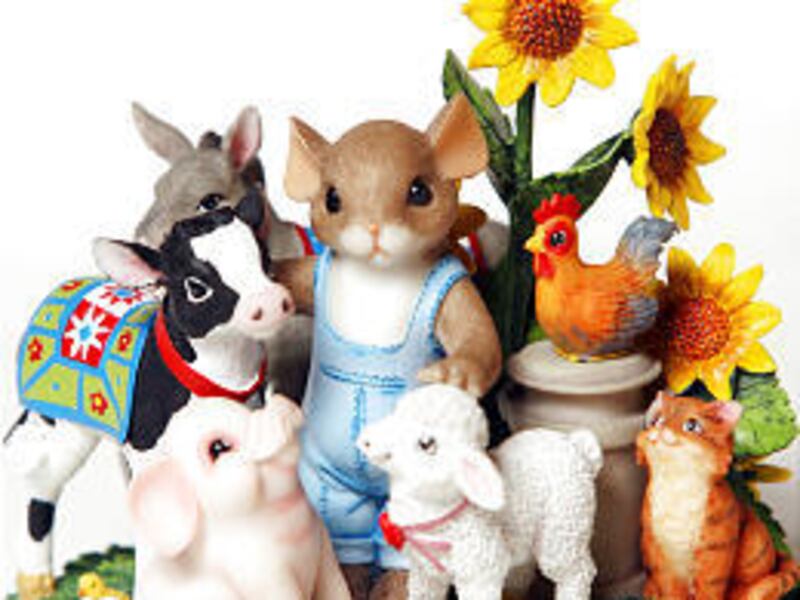
The mid-to-late 1980s saw a huge increase in collectible lines, he says, with introduction of such artists and collections as Pipka, Precious Moments and others. Charming Tails came along in the early '90s.
Currently, no one is hotter in the field than Jim Shore, who incorporates quilt designs and bright colors into his folk art figures that include cats, dogs, people, lighthouses, Disney characters, holiday creations and more.
Other popular artists and lines include Williraye Studio, Snowbabies, Demdaco's Willow Tree Angels, David Frykman, G. DeBrekht Studios and Byers' Choice.
"Five years ago, no one was more popular than Williraye," says Lauscher. "Now it's Jim Shore." It tends to go in cycles like that, he says. "A line usually peaks five or six years after it first gets noticed. Then the novelty wears off, and it's on to something else. It's every retailer's dream to find the next big one."
Every year there are huge market shows where retailers flock to see the latest offerings. But it's a chancy thing, says Kay Kelly, the Utah representative for Enesco, the company that licenses Jim Shore's Heartwood Creek line. "Things that you think will do well just sit on the shelf; others go crazy. Ultimately, it's the public that decides what is a collectible and what is not."
Heartwood Creek is bright and colorful. "But then you have the Demdaco angels that are the complete opposite. They are simplistic, beige and muted colors. But they are also very popular."
It's a process "that you don't understand why it happens, you just know it does," she says. "What makes the difference? Jim Shore, I think, appeals to both men and women, but why it's become the phenomenon it has — that's one of the mysteries of life."
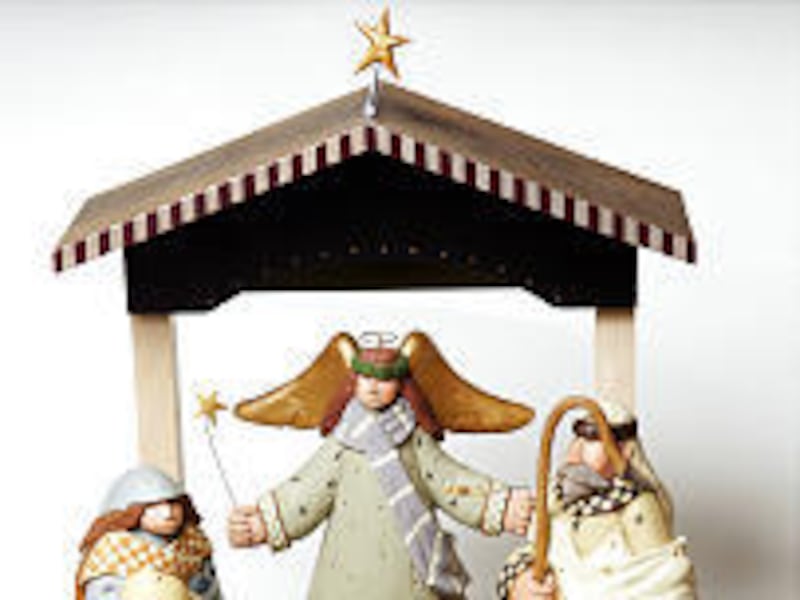
Coming up with actual numbers of collectors is difficult, Kelly says. "It's hard to know who is collecting or who is buying as a gift or a decoration." And while some people collect in specific lines, others may just collect Santas, angels, animals, Nativity sets or even just Wise Men. But the whole area of folk art figurines and collectibles has become very popular, she says. "The market has changed a lot."
To be a true collectible, Lauscher says, a line has certain characteristics.
For one thing, they are limited editions. "There may be 850 or 50,000, but they are numbered, and when they are gone, they are gone. If you missed it, they you have to look to the secondary market." That's one thing that has made eBay so popular, he says, it's a huge secondary outlet for collectibles.
Some companies limit the production run to a certain number; some to a certain time. "For example, some will have a line limited to the year of production. When the year is done, they break the mold." That's how that phrase became a part of our vocabulary, he says, they literally break the mold.
Some companies will produce a line for three or four years and then retire certain pieces. "Department 56 always announces its retirements on the first Friday of November, and then people rush out to buy them. Some companies don't publicize it like that."
But limited production can increase the aftermarket value — sometimes quite dramatically, he says. But one thing to be aware of with limited editions, he adds, is that sometimes a manufacturer will do a limited line — say, 10,000 gnomes with green hats — and then do another 10,000 with red hats and 10,000 with blue hats. "They are usually up front about it and don't try to hide anything. But it's something for consumers to be aware of. That will diminish the overall value somewhat."
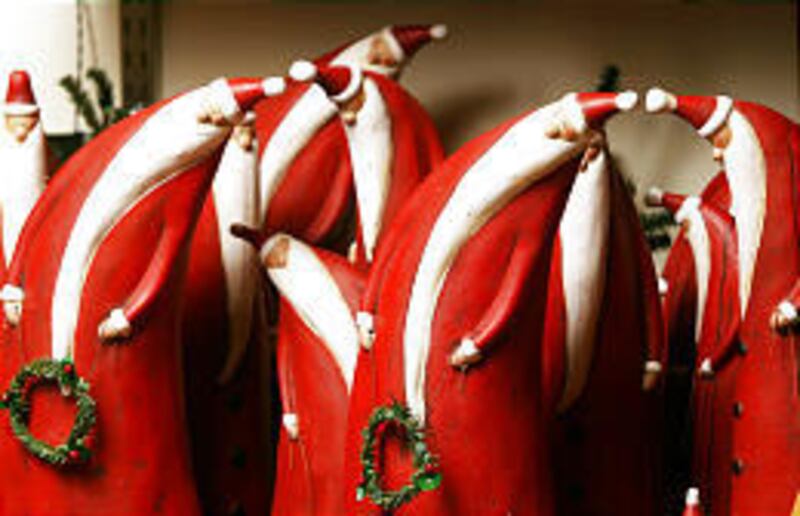
Other companies may do a limited edition in one size and then turn around and do the same piece in a smaller size the next year. Pipka, known for her old-world Santas, is an artist that does that, says Lauscher. But because her line of big Santas is one of the most exclusive, that opens it up to more collectors.
Another characteristic of true collectibles is that they have collector's clubs and do exclusive pieces for their membership, says Lauscher. There is usually a newsletter and often conventions that bring fellow collectors together.
Despite their popularity, Jim Shore pieces are not true collectibles, adds Lauscher, because he does not do limited editions. "He occasionally retires some pieces, but not like the other artists."
In his store, Lauscher meets all kinds of consumers, from the die-hard to the casual collectors, to those who buy something just because they like it. Collectors collect for a variety of reasons, he says. "Some have an emotional attachment to an item or the artist. Maybe they've met the artist."
There are also nationality and religious preferences. People collect Scottish or Polish figurines because of their own Scottish or Polish background.
For some, it's a heritage thing. "They want to have something to pass on to their children. Natural family heirlooms are created by collections."
Some people like the challenge of the hunt. For others, it's almost an addiction. "They have to have every single new piece that comes along."
A lot of collectors get started because they find something that fits with their decor — or they want seasonal decorations. Christmas items have always been popular, but now "Halloween's the second largest decorated season. And Thanksgiving is coming back to being a holiday all its own."
Collectibles can range in price from $20-$30 to hundreds of dollars. The initial cost often has little bearing on aftermarket value. Some collectors think that items with a lower number are more valuable, "but, personally, I don't think that makes any difference," says Lauscher. Aftermarket value is one of the intangibles that is hard to predict; and it's funny, he says, how many people worry about that when they don't even plan on selling it, anyway.
People who are interested in collectibles will find a knowledgeable dealer helpful. "There's also a lot of information available on the Internet," says Lauscher. But his best piece of advice is this: "If you see it and you like it, buy it. Chances are it won't be around for very long. That's the nature of a collectible."
E-mail: carma@desnews.com