


The call came through just before noon: snow near Tremonton.
Within seconds, workers at the Utah Department of Transportation's Traffic Operation Center were on the phone with a maintenance center in the area, talking with the manager.
The report: Traffic moving steadily. Snow not sticking to the road.
Things were good.
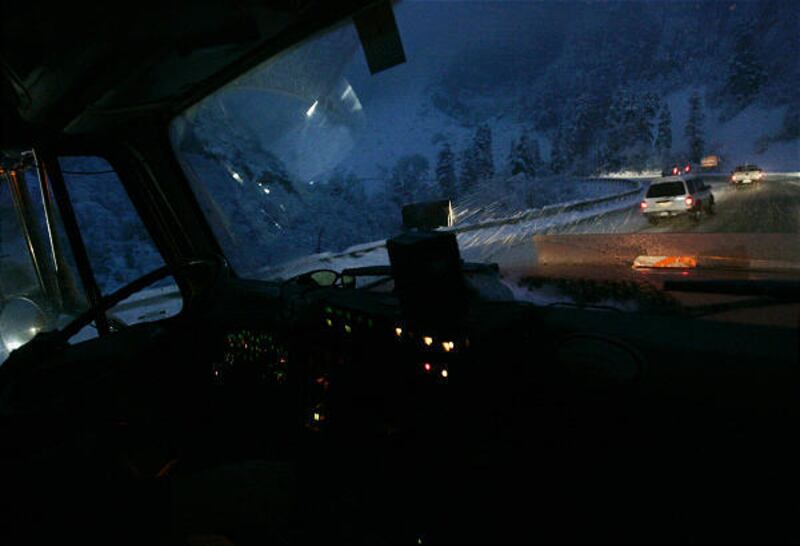
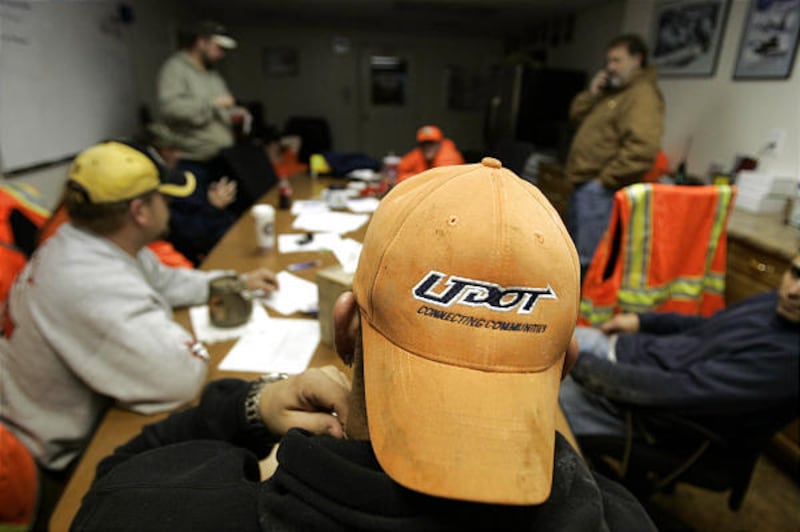
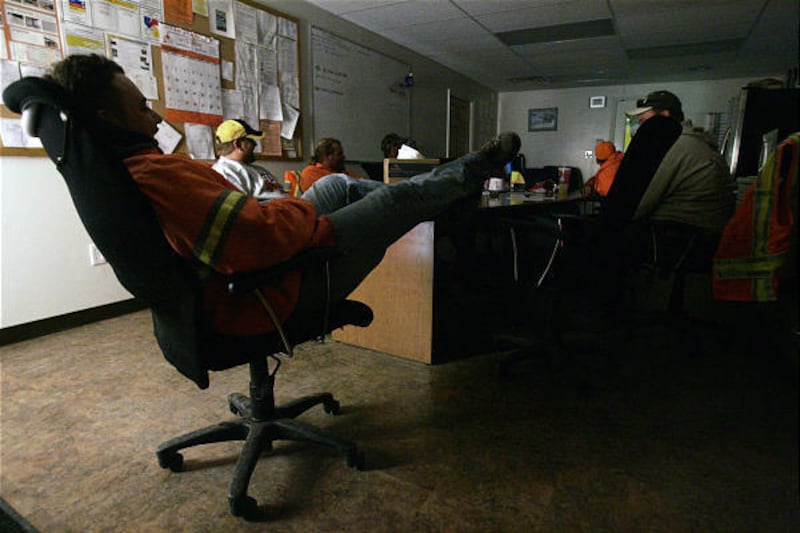
Now that winter weather is hitting the state, legions of UDOT maintenance workers, weather forecasters and traffic engineers are shifting their focus from construction to keeping Utah roads clear of snow, ice and car crashes.
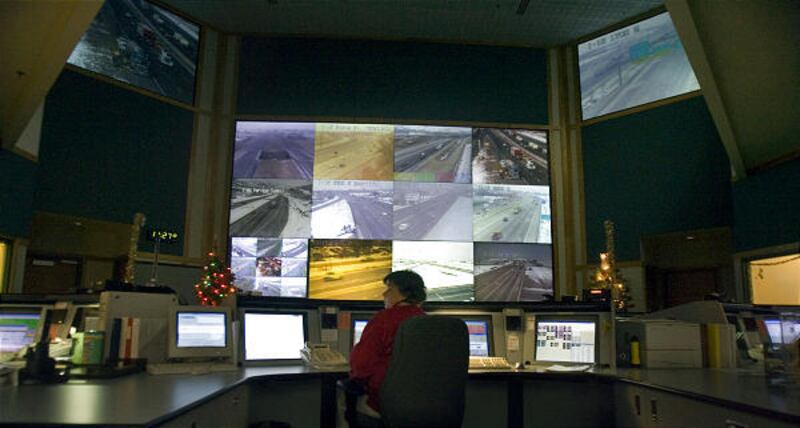
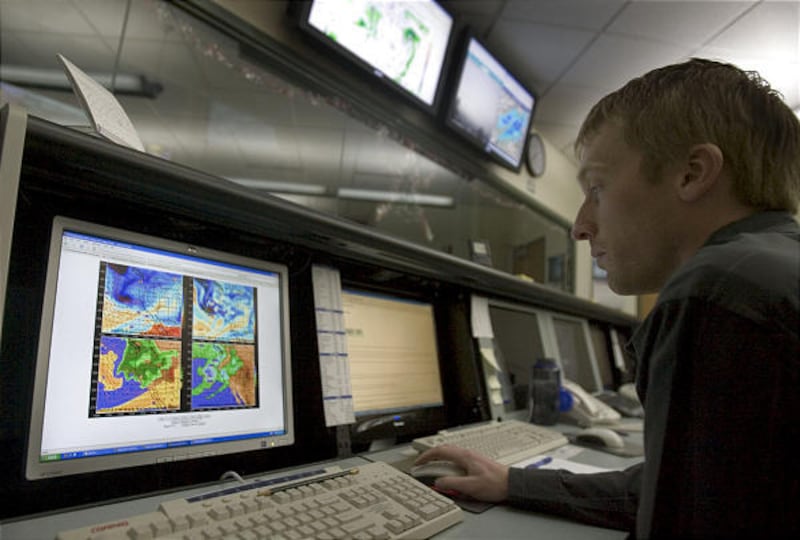
It is a coordinated effort. UDOT's in-house meteorologists work to predict weather that may affect the roads. Workers at the Traffic Operation Center watch road conditions along the Wasatch Front from a room labeled "mission control," where images from about 500 traffic cameras are projected onto flat-panel screens.
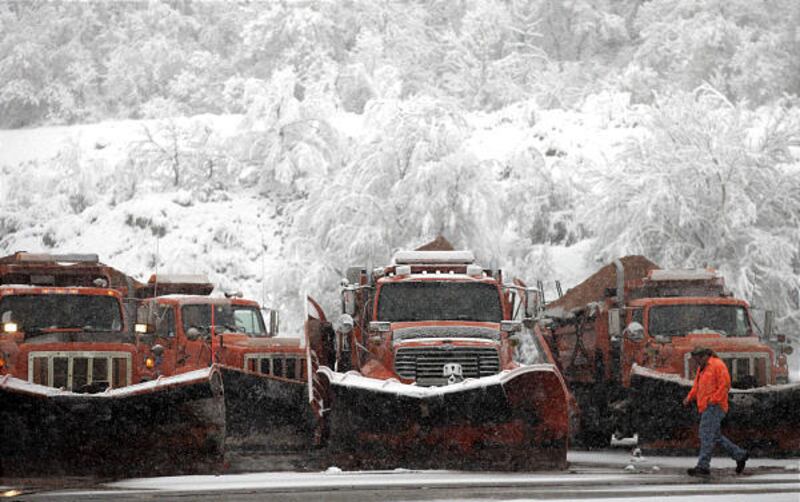
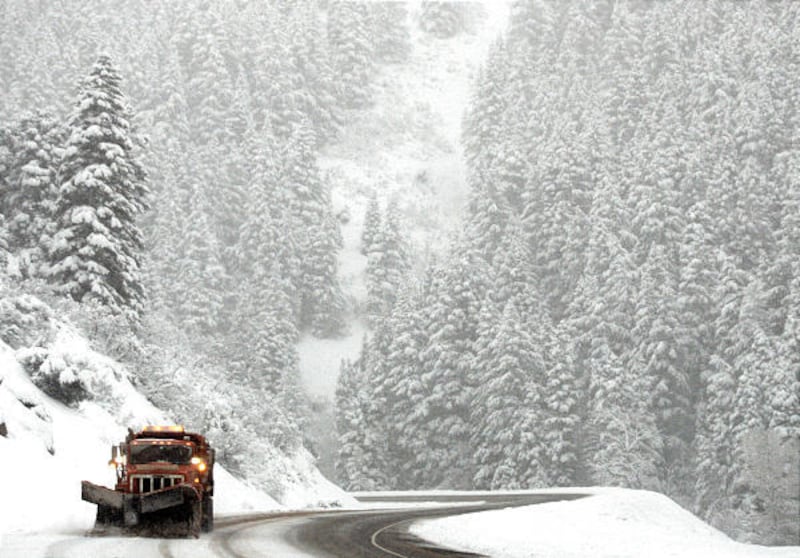
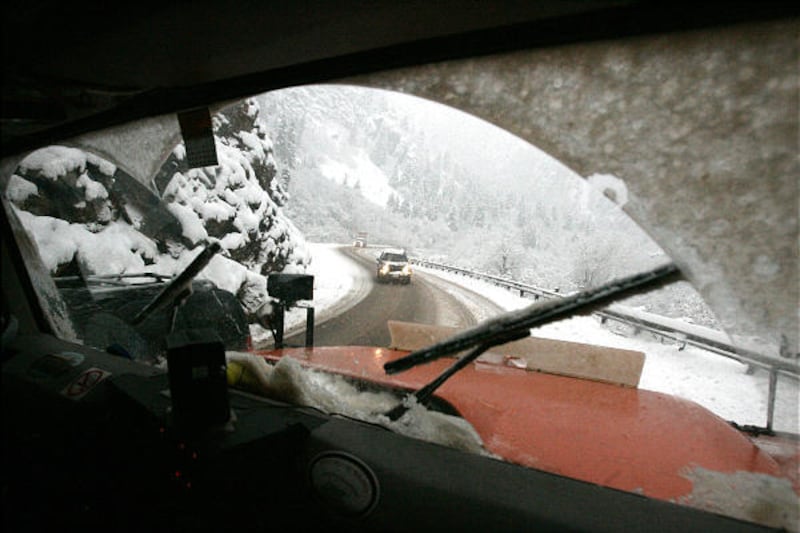
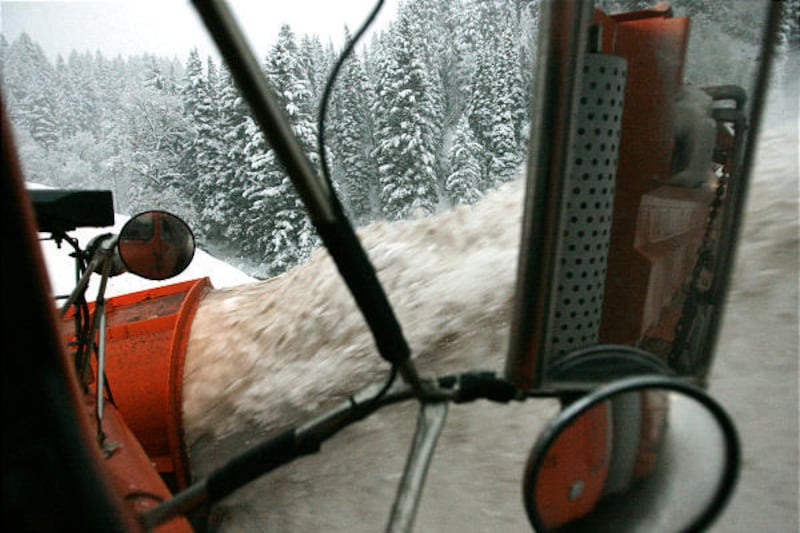
An army of more than 550 snowplow operators can be deployed statewide to clear the streets.
"It's all related to movement," said UDOT meteorologist Ralph Patterson as he described the snow-removal process. "We're trying to keep the traffic moving."
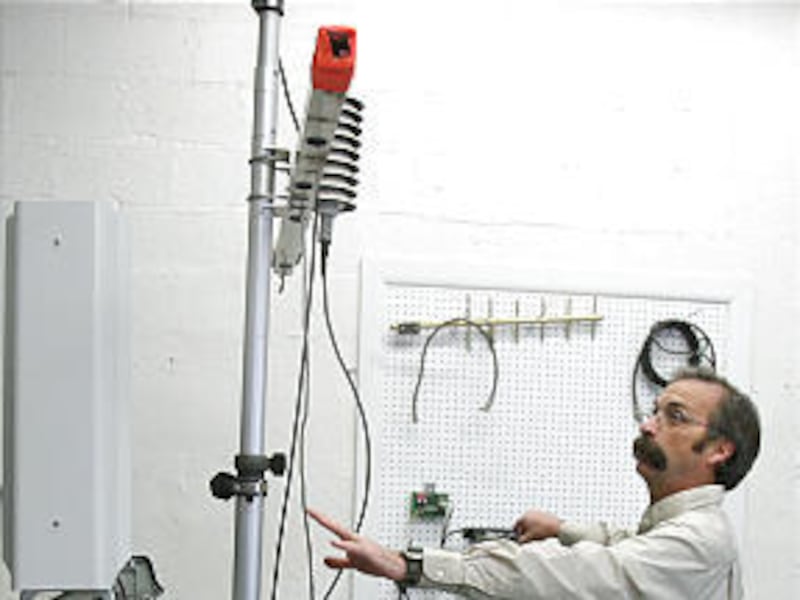
In the days before a storm blows in, Patterson and a team of meteorologists will analyze data from 50 weather stations across the state. They'll check temperature, wind speed and moisture content in the air.
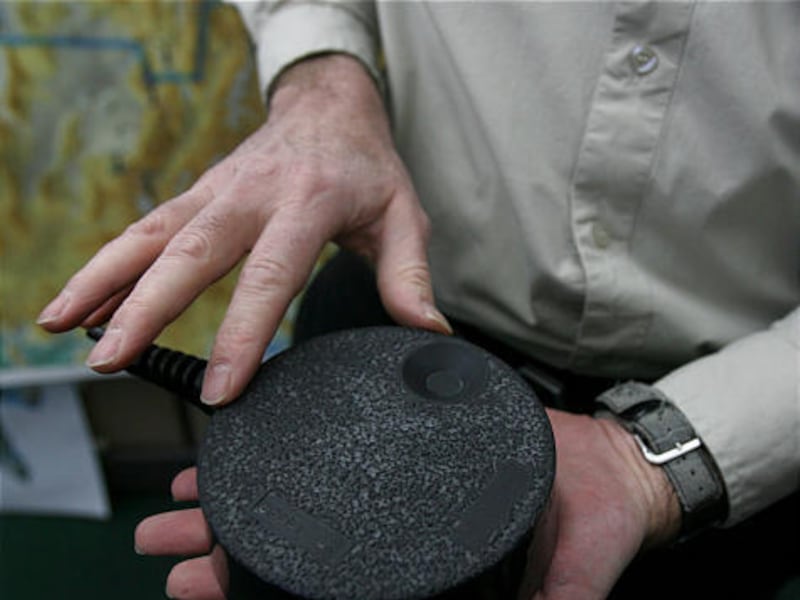
On the streets, Patterson will also monitor readings from an object called a "surface sensor," or "road puck." It looks like an oversize hockey puck imbedded in the road, and with the information it provides — whether a road is wet or dry or the surface temperature — he can predict where a storm will hit hardest and deploy crews accordingly.
"It would be terrible if we were out there and no one was ready," Patterson said. "But it would also be terrible if we were overstaffed and put too much chemical down."
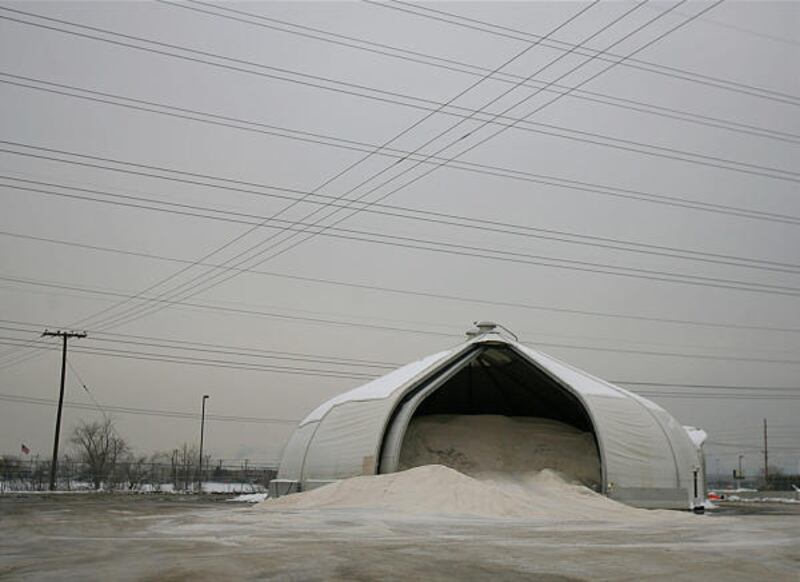
Richard Clarke, UDOT maintenance engineer, said the state's snowplow operators rely on weather predictions to prepare for a storm. In the days before bad weather may hit, employees at some of UDOT's 80 maintenance stations will begin mixing a salt brine solution to treat the road. In the hours before the storm, the solution, which helps lower the freezing temperature of the road, will be applied to help prevent the snow from sticking.
"We really start before the storm comes," he said.
Each winter, UDOT spokesmen said, the department spends $17 million to $20 million clearing state roads. The money, among other things, goes to replace an average of 1,500 snowplow blades each year and pays for an average of 221,000 tons of salt used to de-ice roads. UDOT also buys new snowplows each year to replace old, degraded machines.
"Salt is the enemy," said Steve McCarthy, UDOT equipment operations manager. "It will corrode and rot out the machines."
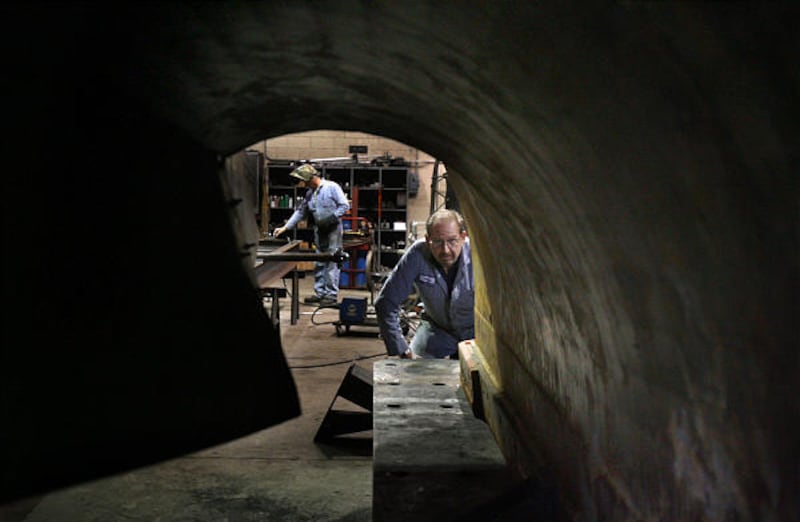
On a recent afternoon, UDOT crews were working to replace metal panels on the sides of a snowplow that had rotted with rust. Nearby, the plow's blade was resting on a table. It had been bent, and workers were straightening it.
For its part, UDOT believes it does an "A" job of clearing the state's highways. Agency workers said complaints about uncleared roads usually come during heavy snowstorms when crews are still working. In addition, UDOT prioritizes which roads it cleans first, so in a heavy storm, a local road may not be cleared until the interstate is in the best shape possible.
Residents interested in road conditions this winter can log on to: commuterlink.utah.gov. The Web site provides a statewide look at accidents and weather conditions on state roads.
E-mail: nwarburton@desnews.com