

SWIDNICA, Poland — Baron Manfred von Richthofen buzzed above the muddy World War I battlefields in his red Fokker tri-plane, downing a record 80 Allied aircraft on his way to becoming the war's top fighter ace and earning the famed "Red Baron" nom de guerre.
But von Richthofen, who was shot down and killed just before his 26th birthday in 1918, has been a legend in limbo since Poland's borders moved west after World War II and swallowed the baron's hometown of Schweidnitz — today called Swidnica.
The neglect has been largely due to apprehension about honoring a German, a legacy of the brutal Nazi invasion and occupation of World War II.
Swidnica resident Jerzy Gaszynski is trying to change that with a new memorial to the Red Baron and reckons he might even pull in a few tourists at the same time.
"I think that with a figure this well-known around the world, it's a bit of a sin that he's not even that well-known here and that there's really no effort to remember him," Gaszynski said.
"Everybody here kind of said under their breath 'baron this, baron that,' but he was neglected, nobody was doing anything."
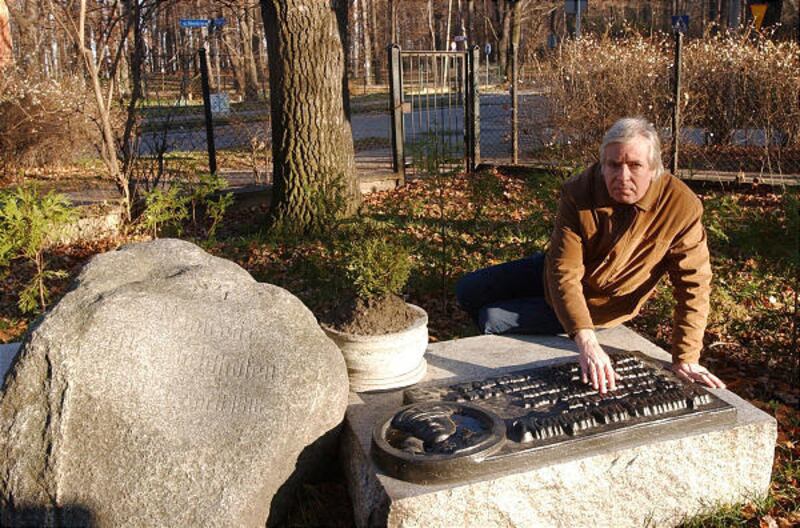
In June, Gaszynsnki erected a memorial plaque he sculpted in the garden of the von Richthofen family home, a three-story villa set among oak trees and other stately mansions.
The cast-iron plaque, set atop a granite slab, bears a bust of the flying ace and the words: "In this house lived the best pilot of World War I, the Red Baron. Born May 2, 1892, he died in aerial combat April 21, 1918, Manfred von Richthofen."
Honoring a German soldier in Poland, which lost some 6 million citizens under the Nazi occupation, can still be a touchy issue. The two countries continue to wrestle with efforts by some Germans to regain property lost to Poland when the borders shifted west after World War II.