

A national trend toward sustainable living has a number of Salt Lake Valley families turning to pet chickens for fresh food, free fertilizer and innocuous pest control.
Backyard chicken coops are popping up from West Valley City to Sugar House. But while the benefits of keeping pet birds are highly touted, some municipalities have banned the fowl in residential neighborhoods.
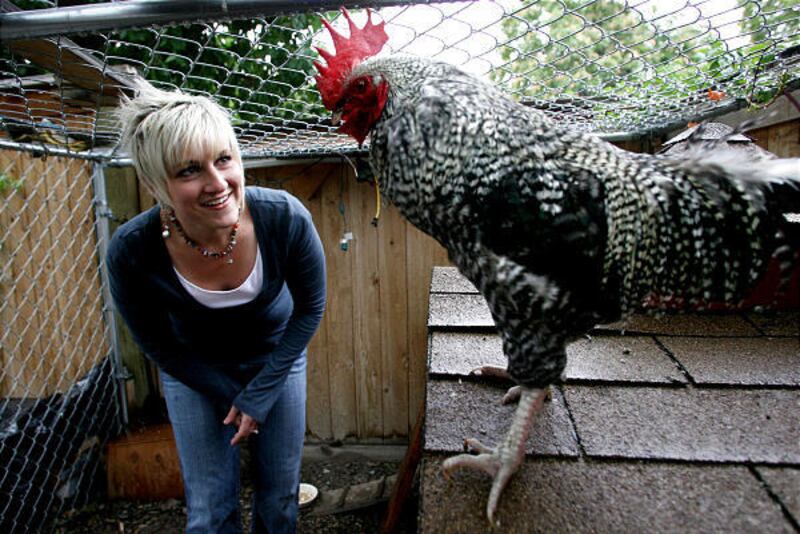
Salt Lake hairdresser Daysha Moore got her first chickens 2 1/2 years ago. The three hens produce far better eggs than those Moore could purchase, and neighbor kids love watching and chasing the hens, Moore said.
"They just think it's cool," she said. "They are kind of funny to watch."
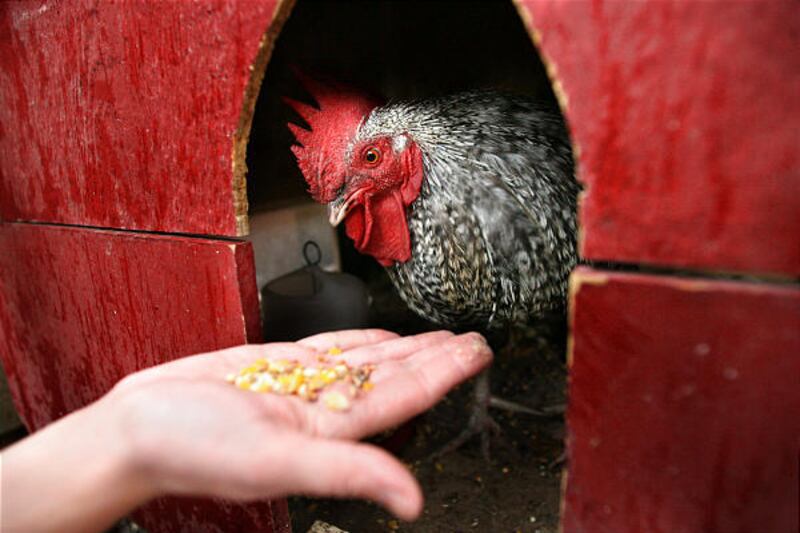
The chickens come when called by name and eat right out of her hand, Moore said. Hens are also very low maintenance. They must be fed daily and their coops cleaned weekly, but they exercise and entertain themselves.
"They are self-sufficient," Moore said. "They really are just fantastic."
Salt Lake City allows pet chickens for a $5 annual fee, but roosters aren't allowed in neighborhoods.
In other places such as South Salt Lake and Holladay, hens for "personal use and consumption" are allowed on lots of at least half an acre, about 21,000 square feet.
In Taylorsville, chickens are allowed on lots of 10,000 square feet or more, but in Midvale hens are allowed only on acre-plus properties. Most municipalities allow roosters, which can be territorial, noisy and aggressive, on agricultural property only.
Wasatch Community Gardens education coordinator Maddy Corey keeps chickens and gives annual coop tours for those interested in fresh eggs from their own backyards. This summer, 80 people attended the tour and an information session on urban chickens, she said. That was double the 2007 attendance, which doubled 2006 attendance.
"One reason that it's popular is that it goes along with the local food trend," she said. "You know what you're feeding them and where (the eggs) are coming from, and they're fresh."
The eggs also taste better and are better for you, Corey said. Large, bright-orange, protein-filled yolks are found in eggs that come in a variety of colors, depending on a chicken's breed.
"I think owning chickens is great," she said. "And the taste of fresh eggs compared to store eggs, it actually just tastes like an egg instead of tasting like nothing."
Corey would consider slaughtering her birds for food but also sees them as part of the family. The birds let Corey hold them and they exhibit personality, with some always staying close to the flock and others consistently keeping to themselves, she said.
The manager of Intermountain Farmer's Association Country Store in Salt Lake City said he sells about 6,000 chicks every spring. Hens lay eggs for about two years but can live to be 3 or 4 years old, Dan Dudley said. Even in old age, chickens can be slaughtered for food.
Chickens come in small, beautiful breeds such as the bantam or large and more common and more productive breeds like the white Orpington. Others lay green, orange and blue eggs.
Dudley believes that in addition to benefits such as sustainability and interesting eggs every morning, keeping urban chickens can have psychological benefits.
"It's great for the people," he said. "It gets them back down to the basics a little bit. People that work with the ground are more patient, kinder. When people are a lot more calm and laid back, it helps society."
Three IFA locations in the valley sell coops and hens as well as feed and bedding. On the Web site mypetchicken .com, full set-ups can also be purchased for a few hundred dollars. Modern plastic "eglus" go for about $500 and come in pink, red, orange and blue.
A few months ago, West Valley resident Kathryn Dunn asked her City Council to consider changing its rules that prohibit fowl on small residential lots. City staff was directed to draft an ordinance, but last week in a study meeting, council members killed the proposal. They cited concerns of unkempt yards and said the city already had enough problems with residential animals.
"Right now with our problems with dogs and cats, I'm just not willing," said Councilman Steve Vincent.
Councilman Mike Winter, a proponent of renewing the city's reputation, agreed.
"There seems to be some logic to the current policy," he said.
Dunn will continue working to get the council to reconsider.
For more information on pet hens, visit the Wasatch Community Gardens Web site at wasatchgardens.org or visit national sites such as thecitychicken.com and backyardchickens.com.
E-mail: rpalmer@desnews.com