


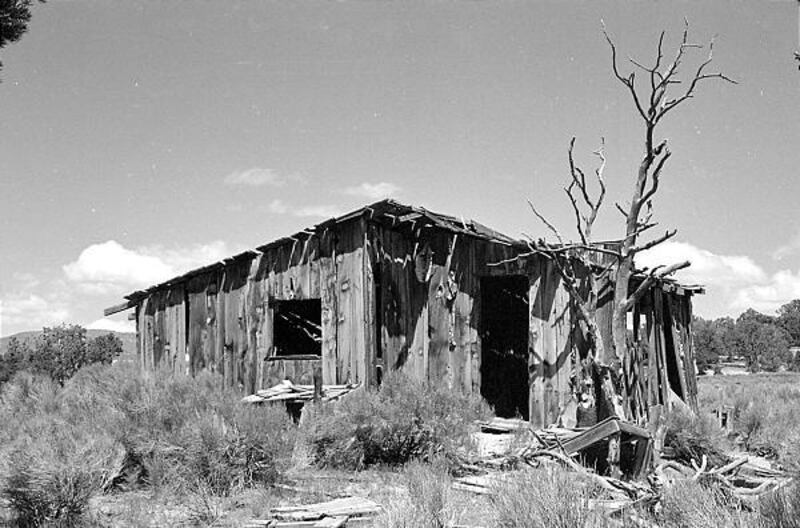




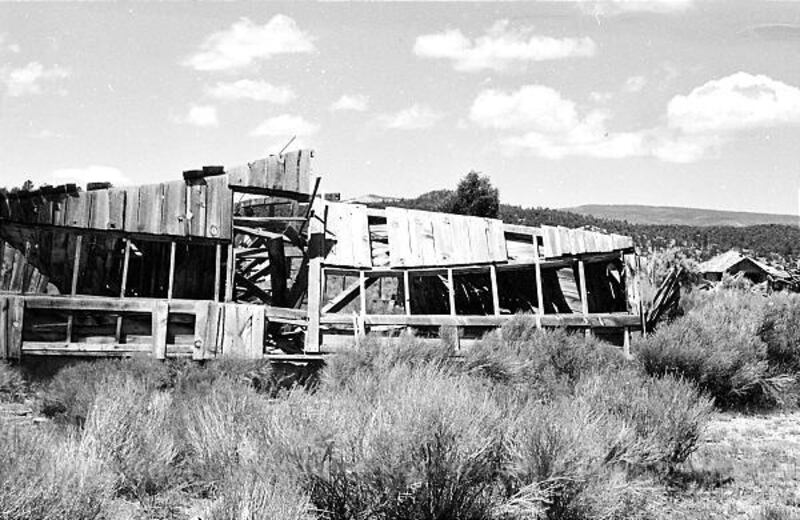


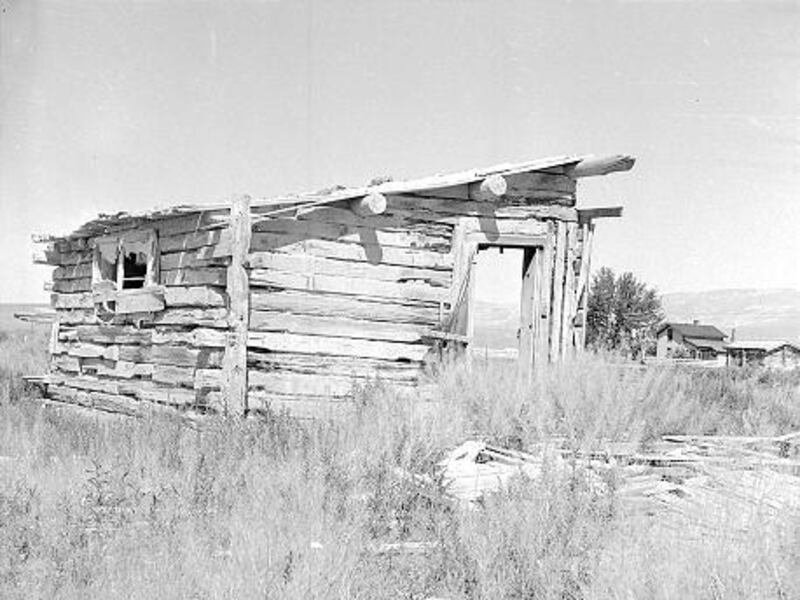

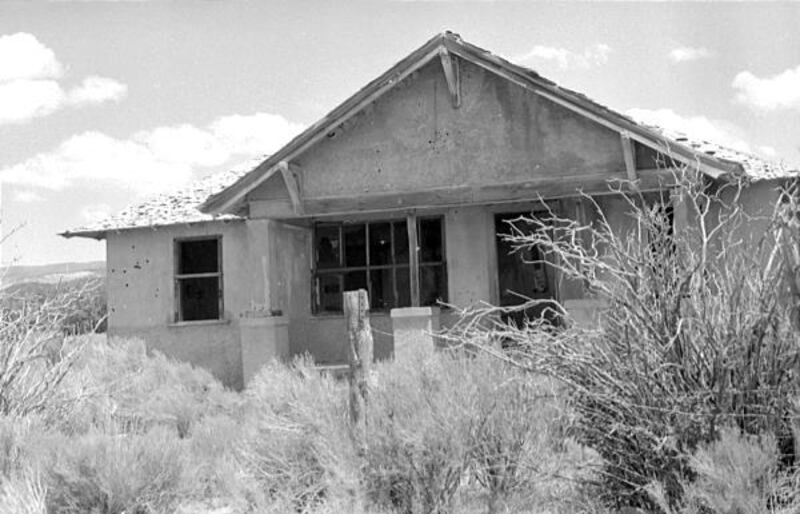
The landscape of Utah is littered with the skeletons of communities that were born out of hope and died in disappointment.
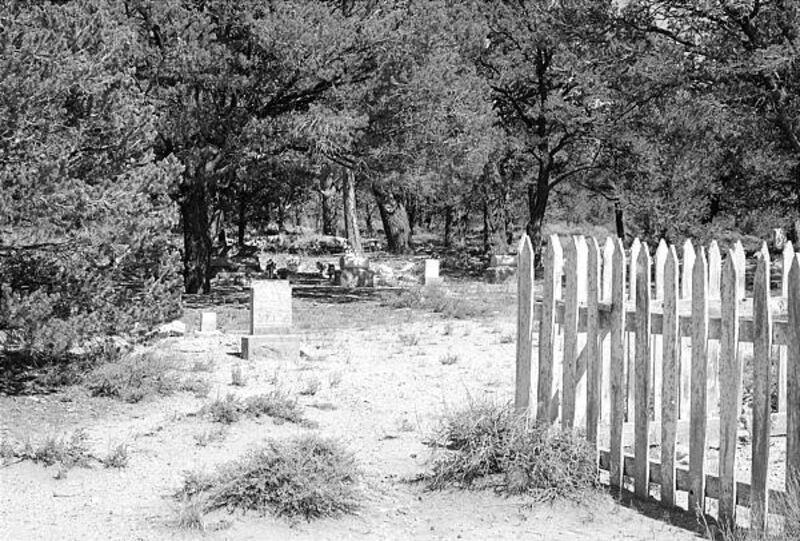
The weathered remnants of places like Gold Hill, Kelton, Widstoe and Old Paria still beckon to curious adventurers willing to travel the back roads that may transport them into a past hinted at by small town cemeteries and the deteriorating foundations of schools and churches.
Each town has its own story, and over the years Deseret News reporters and photographers have fleshed out the past of several of Utah's ghost towns. Photo researcher Ron Fox has retrieved from the newspaper's photo archives pictures of many of these communities, and they can now be seen on the newspaper Web site at www.deseretnews.com.
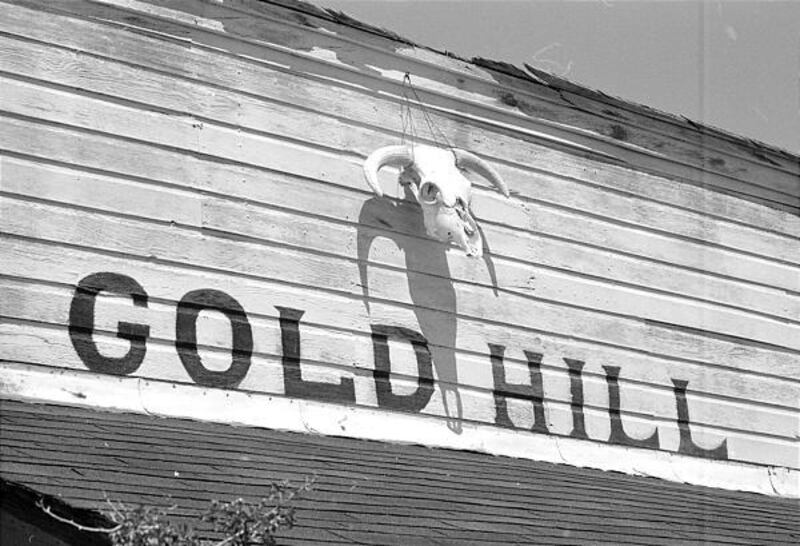
Utah's rich mining heritage was the diving force behind many ghost towns. Gold Hill, for example, was once one of Utah's best-known mining towns because it offered a wealth of minerals.
It was gold that drew prospectors to the town south of Wendover near the Utah-Nevada border in 1892. Then the town dwindled after the richest veins of gold were mined until 1917, when arsenic was needed to control insects invading the cotton fields of the south. A rail line to Gold Hill led to a resurgence and at its high point 3,000 people called Gold Hill home.
When the demand for arsenic decreased, the town's population dwindled again until World War II, when tungsten needed for incandescent light bulbs powered a third population boom, which ended when the war did.
The railroad gave rise to many communities like Kelton, just north of the Great Salt Lake's northern tip. Deseret News photos taken in 1951 show the remaining, rundown buildings of the town. Even those structures are now gone.
The first settlers of Kelton were members of the mostly Chinese work crew for the Central Pacific Railroad who settled there in 1869 about a month before the driving of the golden spike.
The Chinese didn't stay long, but Kelton became an important railroad town, and in the 1870s and early 1880s, the Wells Fargo stage line running between Kelton and several gold mines in Idaho and Montana was robbed more often than any other stage line in the Old West.
The main rail line was moved in 1903-04, relegating the Kelton line to backup status. Then the area was devastated on March 12, 1934, when it was the epicenter of the most powerful earthquake ever recorded in Utah. When the rail line was dismantled in 1942, Kelton died with it.
Widstoe is a quintessential farming community turned ghost town. Located on the east fork of the Sevier River, about 16 miles northeast of Bryce Canyon, the town was settled in 1876 but didn't take off as a farming community until 1910 and the development of dry farming. By 1913, the town had two hotels, an LDS church, four stores, a post office, a confectionery and a population of 310.
By 1935, drought, erosion and climate fluctuation had turned Widstoe into "the most destitute of any area in the state," and the federal government purchased the land from local residents so they could relocate to other areas of the state.
Only a few weathered buildings and the Widstoe Cemetery remain.
Other communities bear record of past glories. Old Paria was a 19th century farming community east of Kanab that was abandoned in the 1930s and then rediscovered as a movie set in the 1940s, where it played starring roles in films like "Sergeants Three" and "The Outlaw Josie Wales," as well as several television shows. Some of the movie set buildings remain, but others were burned down by vandals.
e-mail: mhaddock@desnews.com