









For a year of military service, the 500 members of the Mormon Battalion purchased the future of their faith.
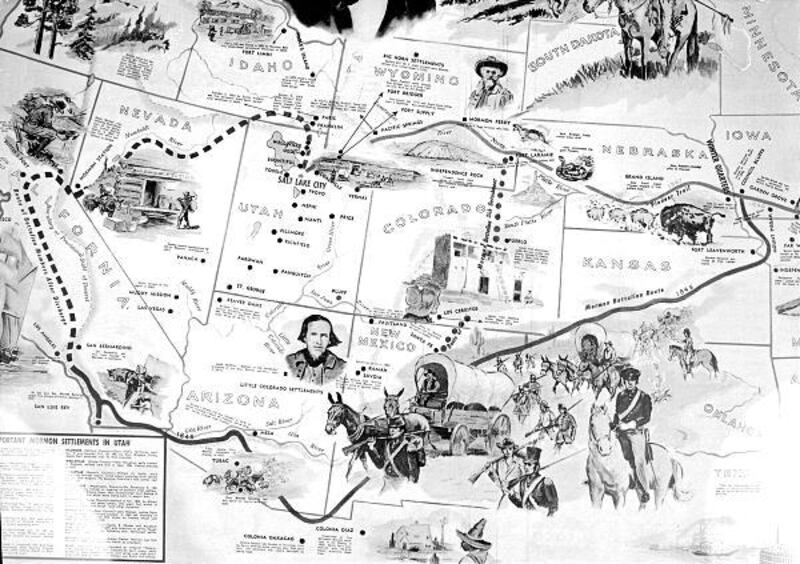
From July 1846 to 1847, the battalion made a grueling 1,900-mile march from Council Bluffs, Iowa, to San Diego. And while the battalion never participated in a single military engagement, it helped to pioneer the American West and paid the way for the Mormon pioneers to find a new home in the Great Basin.
A story in the July 1, 2000, Church News by R. Scott Lloyd reported on a talk by Elder Marlin K. Jensen of the Seventy during a Mormon Battalion Heritage Day celebration in which The Church of Jesus Christ of Latter-day Saints leader spelled out the battalion's contribution:
"A road was carved out of the southwestern wilderness; the Gadsden Purchase (of land in 1853 from Mexico, which became part of New Mexico and Arizona) was accomplished; the acquisition of California certainly was stabilized and probably facilitated more than by any other single group of people or single act; and an economic impact was felt, not just in California with the gold rush, but in Utah as well for many, many years," Elder Jensen said.
"For the battalion and for the church, it had the advantage of being able to show the United State government that we were truly loyal to the country," he said. "And as you know, the revenues that were generated supported those men and their families, enabled the poor to evacuate from Nauvoo, (Ill.), and a good portion of those monies went to the missionary effort in Great Britain, where, in the early days of the church, converts really became the lifeblood of the settlement of Zion."
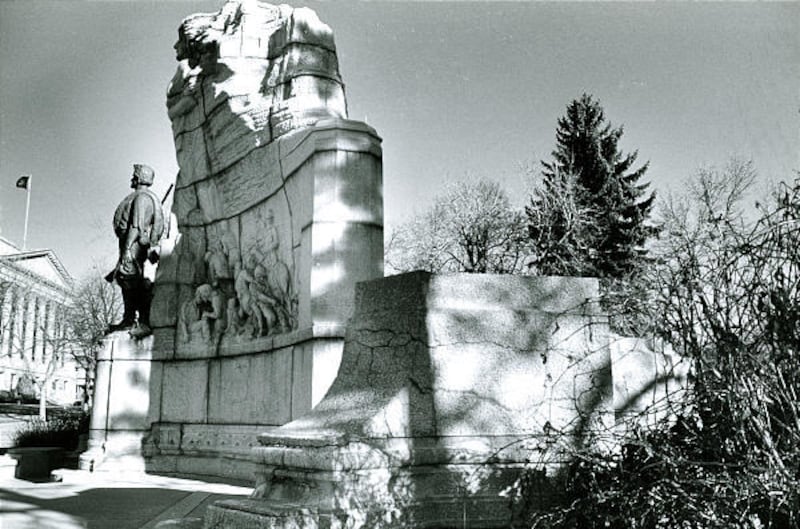
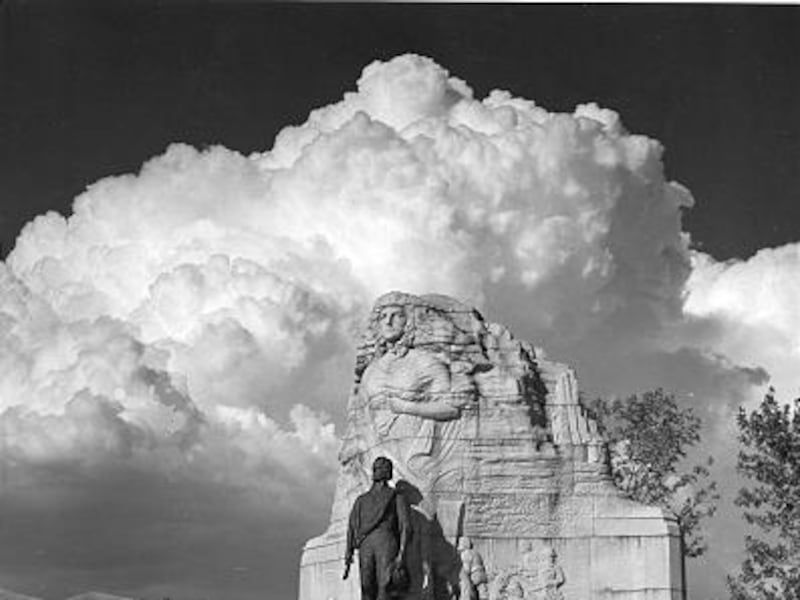
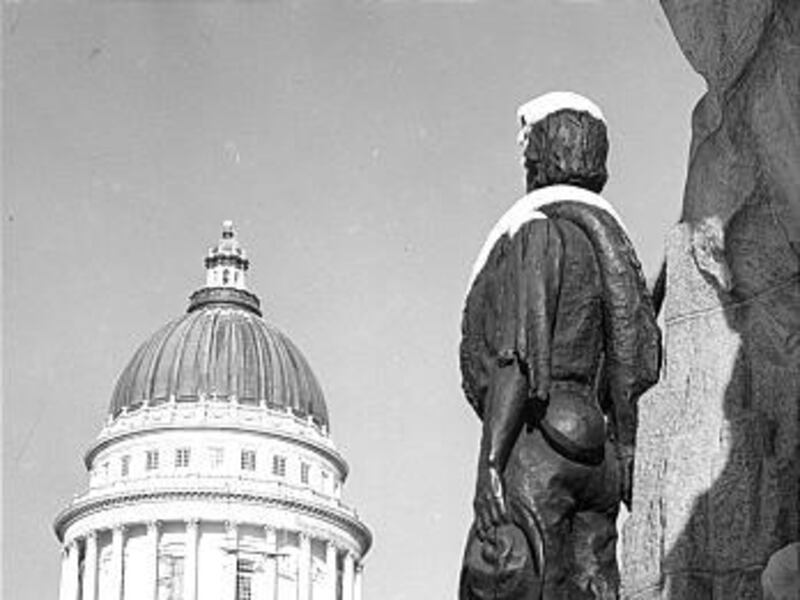
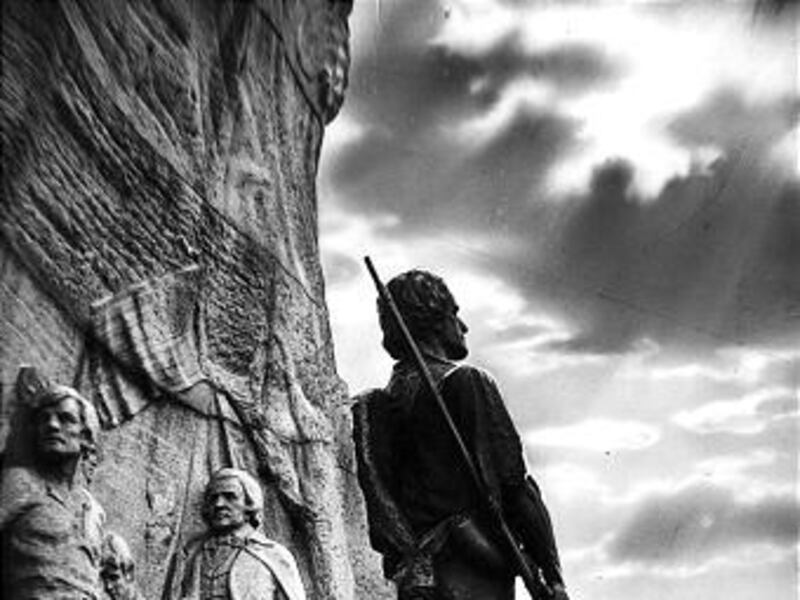
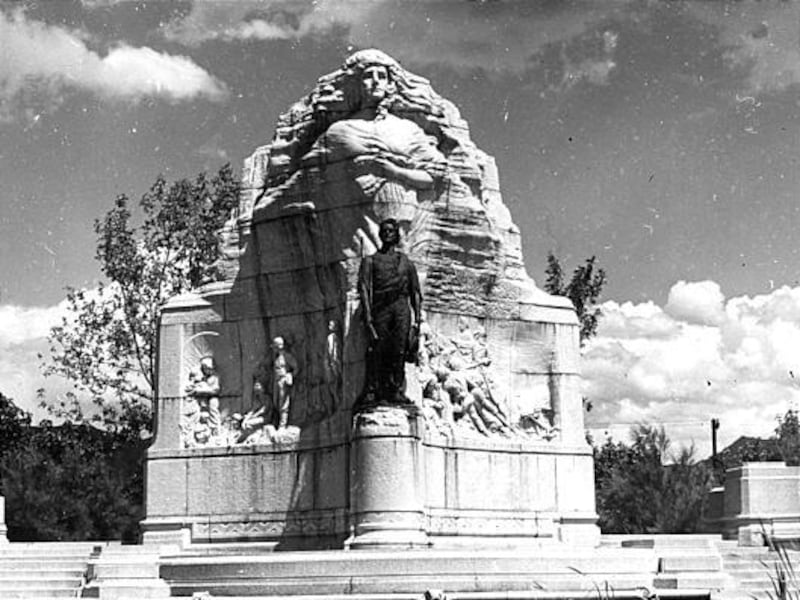
There are several memorials to the battalion, the only religious unit in American military history. The best known include the Mormon Battalion Memorial and Visitor Center in San Diego and the Mormon Battalion Monument on the state Capitol grounds.
Deseret News photographers have captured events at many of these monuments. Photo researcher Ron Fox has collected dozens of these photographs, which can been seen on the newspaper's Web site, www.deseretnews.com.
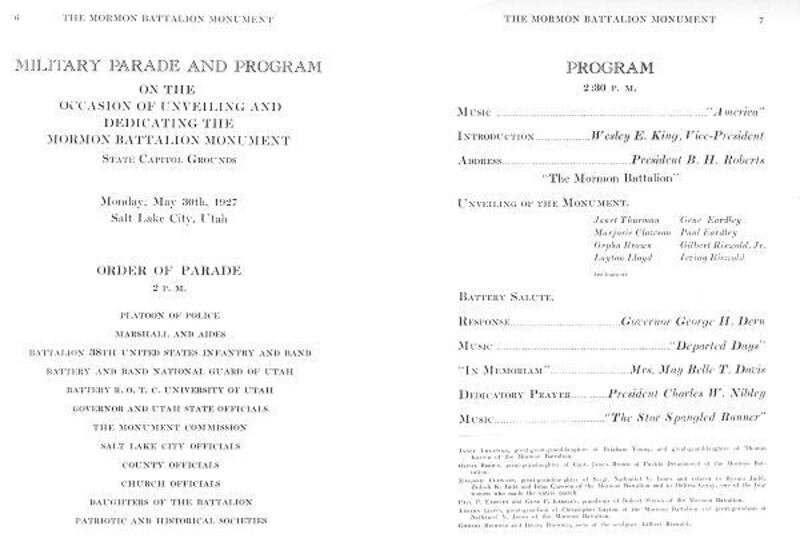
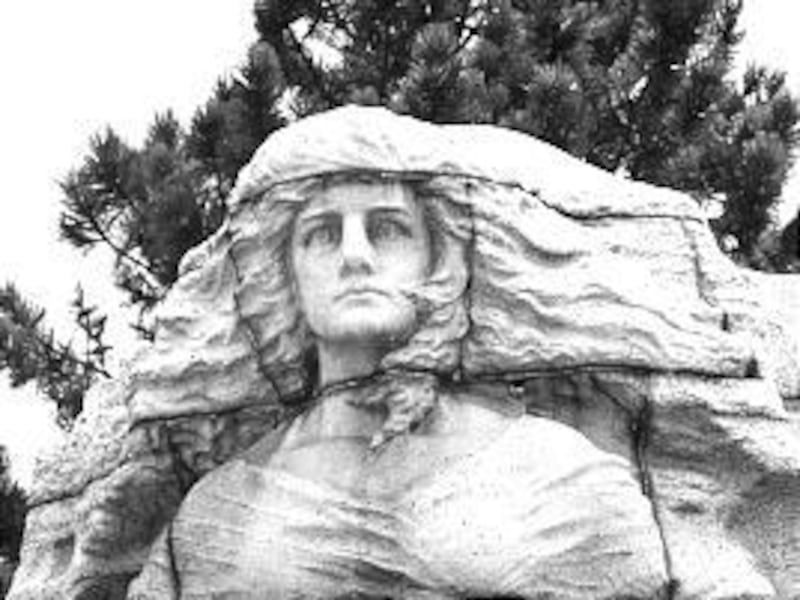
The Salt Lake monument, unveiled on the Capitol grounds on May 30, 1927, was the culmination of 22 years of work.
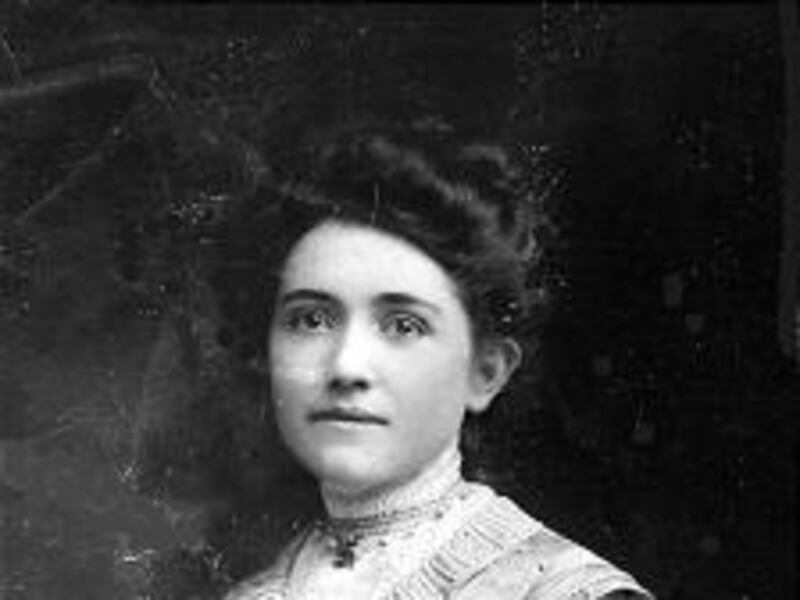
Sculpted by Gilbert Riswold, the 29-foot monument is composed of 4,000 cubic feet of rose pink granite and features 33 figures carved in the granite and three figures developed on a larger scale of Battalion Man, Vanishing Race and Columbia. The model for the Columbia figure was Annie Beatrice Jones Lloyd, a descendant of two Mormon Battalion members.
In 1963, the sculpture was noted as the state's most valuable art piece by H. Reuben Reynolds of Utah State University, who estimated its value at $225,000.
The monument was rededicated Nov. 1, 1997, in a ceremony reported in the Nov. 7 Church News:
"Led by the Utah Fife and Drum Corps, a colorful procession of costumed re-enactors marched on the Capitol grounds in a prelude to the program. "Some of the men were dressed as 1846 infantry officers, and some men, women and children wore typical 1840s clothing. (Almost none of the original battalion soldiers wore uniforms. Instead, they gave their uniform allowance to the church to help pay for the Saints' westward trek.)"
At the rededication, church President Gordon B. Hinckley said of the battalion: "In my judgment, with the exception of the sufferings of the handcart pioneers of 1856, the Mormon Battalion suffered more than any other body of our pioneers. … Their dedication, I think, was equal to any in all of the history of our people."
When a tornado struck downtown Salt Lake City in 1999, the monument got renewed attention after a sheltering grove of trees was knocked away. "Sunlight is shining on the 72-year-old monument for the first time in years," according to a story by Lucinda Dillon in the Aug. 20, 1999, Deseret News. That promoted Lt. Gov. Olene Walker to admit, "I don't think I've ever seen this up close."
The Mormon Battalion Memorial and Visitor Center in San Diego's Old Town is a popular stop for tourists and elementary school field trips, but the center is closed during an extensive remodeling project. A church spokesman said the center is expected to open in early 2010, though no specific date has been set.
e-mail: mhaddock@desnews.com