

FRY STREET QUARTET; Beethoven: String Quartet in C minor, op. 18, no. 4; String Quartet in B flat major, op. 130 (Fry Street Quartet) ★★★★
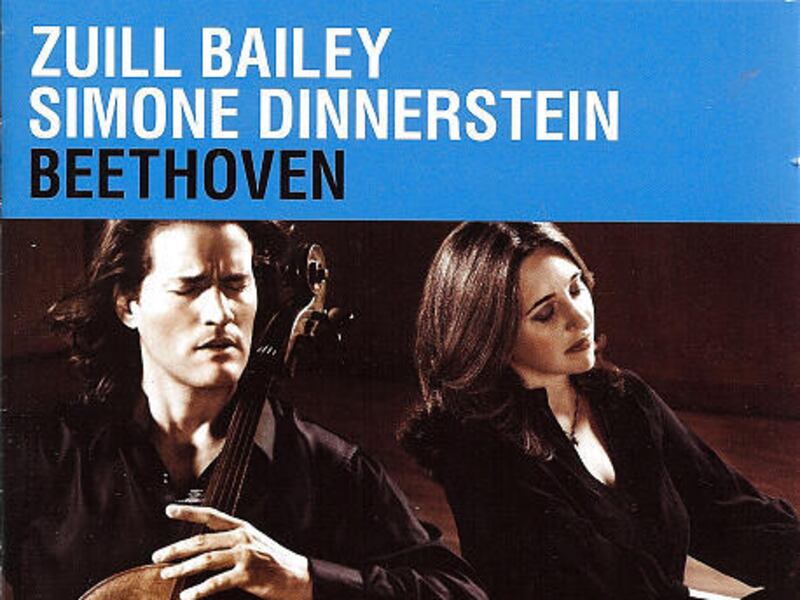
ZUILL BAILEY, CELLO, SIMONE DINNERSTEIN, PIANO; Beethoven, The Complete Works for Piano and Cello (Telarc) ★★★★
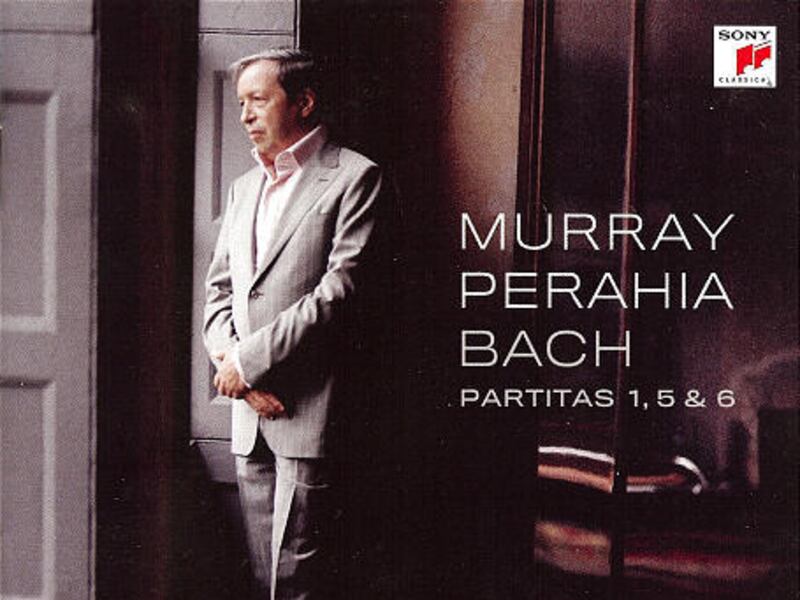
MURRAY PERAHIA, PIANO; Bach Partitas 1, 5 & 6 (Sony Classical) ★★★
The Fry Street Quartet has always had a lot going for it. It's a talented group of like-minded musicians who play with attention to detail, dynamics and nuances — in fact, with all of the subtleties needed to play the string quartet repertoire.
And since their performance of the complete cycle of Beethoven quartets at Utah State University, where they are quartet-in-residence, the FSQ has arrived. At those performances they showed remarkable finesse and polish as they explored the intricacies and complexities of the scores.
They bring those same qualities to their performances of the Op. 18, No. 4, and Op. 130 quartets on this CD. This album is a gem among recordings of these two works, especially the Op. 130, which they play with the original "Grosse Fuge" finale. Their playing is infused with subtlety and fine lyricism and exhibits a vast range of expressions.
A few of the highlights of these performances are the vibrant playing that captures the richly colored textures of the Op. 18, No. 4; the delicately balanced phrasings of the first movement of the Op. 130; the depth and insight they bring to the same quartet's slow movement; and the boldness and emotional range they bring to the "Grosse Fuge." This, and a lot more, makes this CD a must.
Cellist Zuill Bailey and pianist Simone Dinnerstein have collaborated together as a duo for some 10 years, and a better musical partnership is difficult to imagine, with the exception of husband-and-wife duo Wu Han and David Finkel.
But like Han and Finkel, Bailey and Dinnerstein bring depth, perception and an innate understanding of the music to their performances. And their most recent album featuring the complete cello and piano works of Beethoven is a prime example of this. Their playing captures the musicality and artistry of these two very talented players.
Beethoven's five cello sonatas are staples of the repertoire, but Bailey and Dinnerstein bring a refreshing vibrancy to their readings that makes it feel as if one is hearing these works for the first time.
The A major sonata, Op. 69, is particularly well played. Their interpretation is light and fluid and captures the sunny disposition of the work perfectly.
In the two sonatas of Op. 102, the duo captures the depth and earnestness of the music effortlessly. These are insightful readings, and the slow movement of the Op. 102, No. 2, is especially expressive and poetic.
In contrast, Bailey and Dinnerstein capture the classicism of the two Op. 5 sonatas with their exuberant and dynamic playing.
This two-disc album is rounded out by the three sets of variations, which they play with clean lines and crisp articulation.
Pianist Murray Perahia has become quite a wonderful interpreter of J.S. Bach's music. And as he displays on his newest album featuring three of the partitas, his playing is refined and polished as well as articulate and crisply phrased. He also shows a nice sense of rhythm in the faster dances in each work.
As delightful as these performances are, however, they aren't quite as vibrant and fresh as those of Angela Hewitt, who is perhaps today's foremost exponent of Bach's keyboard music. Hewitt brings a lightness of touch to her playing that makes one forget that one is listening to this music played on a modern grand piano. That isn't so with Perahia's playing. It's good, and his interpretations are sound, but it could be better.
e-mail: ereichel@desnews.com