

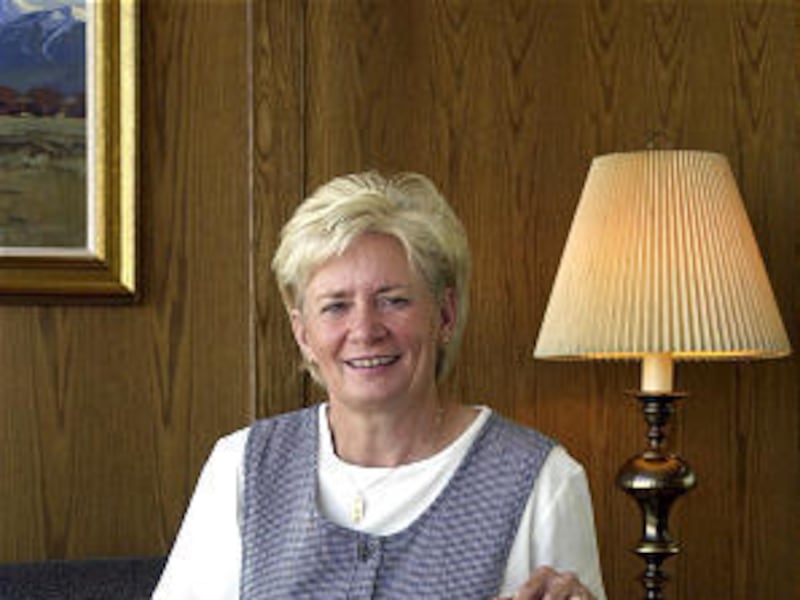
Throughout her career, Lori Woodland has become an authority on two subjects in particular.
One is basketball.
The other is Emma Smith.
Woodland, a member of the Ricks College athletic hall of fame, coached the women's basketball team at the Rexburg, Idaho, school for 14 seasons. But as the longtime junior college became a four-year university, Woodland made some transitions of her own — going from the hardwood to history; from noisy arenas to quiet archives.
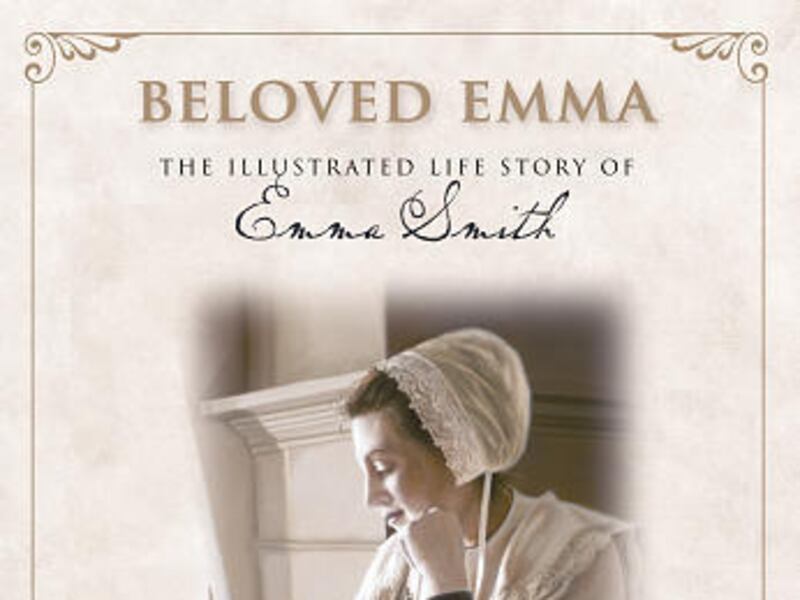
For the past eight years, Woodland has been researching the life of Emma Smith. Her work culminated in October 2008 with the publication of "Beloved Emma," a biography about the wife of LDS Church founder Joseph Smith.
For Woodland, the project was no small undertaking.
"It was huge," she said. "I'm a basketball coach. I just couldn't believe I was even doing it. From my perspective, it was an absolute miracle."
The disciplines of studying church history and coaching basketball may appear divergent, but they merged together gradually for Woodland.
Raised in Winnemucca, Nev., she became active in The Church of Jesus Christ of Latter-day Saints at age 24. She was coaching at the College of Eastern Utah when she married her husband, Rich, in 1981. Four years later, she took the head coaching position at Ricks College, where her duties included not just coaching but teaching religion courses.
Garth Hall, former Ricks College athletic director, describes Woodland as a "hard-nosed" and "demanding" coach. While she was successful on the court, compiling a 307-120 record with five region championships, Woodland adapted well to the classroom, which Hall says is "dramatically different."
"She's an extremely talented person on a number of different fronts," said Hall, BYU-Idaho's current vice president of student services and activities. "It's kind of unique for someone who has that drive and determination in athletics to step out of that environment … but she loved it."
In June 2000, President Gordon B. Hinckley announced that Ricks College would transition to a four-year university and, subsequently, phase out intercollegiate athletics. Woodland coached her program through its final season in 2002, after which she spent three years implementing the school's physical activities program. She then joined the religious education department as a full-time instructor.
During those years, Woodland began to gravitate towards Emma. The same year the BYU-Idaho announcement was made, she was asked by a local seminary chairman to give a presentation on women of the Restoration. During research, the subject of the Prophet's wife began to tug at her.
"I just kind of got hooked on her and wanted to know more," said Woodland, who went on to give other presentations at firesides and BYU Campus Education Week.
In 2006, Woodland applied for a sabbatical with the intention of writing a book. Her initial subject was basketball, but that proposal was rejected.
"I just decided to write a book on Emma, and that's kind of how it all took place," she said.
The project took three years from first page to publication and involved several trips to Independence, Mo., where the Community of Christ archives are located. Woodland also procured information from the University of Utah archives, which held the records of Vesta Crawford's conversations with Joseph and Emma's granddaughters.
"I got a lot of stuff that never had been published because of those interviews," Woodland said. "They were just sitting there."
Two other resources that Woodland found substantive were produced by the Prophet's descendants — the now out-of-print "Emma's Glory and Sacrifice," by great-great granddaughter Gracia N. Jones; and the memoirs of Joseph Smith III, edited by Mary Audentia Smith Anderson. In those memoirs, Woodland found a number of vignettes about the Smiths' children, including the story of Emma putting together a makeshift fishing pole for her son, who caught a fish without bait.
Woodland was most moved by the accounts of Emma's interaction with her children.
"I love those little stories because you see a personal side of her," she said.
In her biography, Woodland narrates the events of the Restoration from Emma's perspective, detailing her friendships, hardships and ability to endure. The author says that one prevailing misconception about Emma is that she had a "nervous breakdown" after her husband's martyrdom.
"She did do some strange things, but she was always sensible," said Woodland, adding that many of Emma's decisions were prompted by a desire to protect her family. "She just left the church alone. It wasn't like she was apostate; she just left it alone."
The now-retired Woodland says the feedback she receives from church members about Emma is generally positive.
"They want to like Emma," she said. "They just don't know enough about her."
There have been some negative remarks, however. After one particular presentation in Idaho Falls, an older man told Woodland, "Joseph's still going to have to go to hell to get her."
Woodland says she took a "balanced" approach to her writing.
"I don't try to draw any conclusions," she said. "I just try to lay it out the way it was and let people draw their own conclusions."
Woodland's personal impressions of Emma, however, include admiration for her "ability to take people in and care for them" and her "ability to stay positive and upbeat and support the Prophet at all costs."
"I'd say she was a grand lady, and just dignified and gracious," Woodland said. "Even until her death she was a grand lady."
E-mail: ashill@desnews.com