







Sheila Phillips expressed relief Tuesday that one chapter in her life appears closed.
A nearly yearlong civil legal battle is over, one that involved the death of her son, Brandon, who was one of the miners trapped in the Crandall Canyon Mine collapse in August 2007.
But while the settlement of the case announced Tuesday may provide some financial relief, Sheila Phillips said the tragedy continues to have a profound effect on her family.
"My son is still in that mountain," she said. "Until they get him out, it will never be over with."
Following months of negotiations, all of the parties in the civil lawsuits stemming from the disaster reached a settlement, the parties said Tuesday. Terms were not disclosed, but lawyers for the families said it exceeded the more than $20 million paid to families of 27 victims of a 1984 explosion and fire at the closed Wilberg mine in the same Utah coal district.
"It's a measure of compensation that we think helps to provide some financial security for the families that have lost their bread winners, for the fellows that have lost their ability to work or had their work life expectancy shortened," Ed Havas told the Deseret News in an interview.
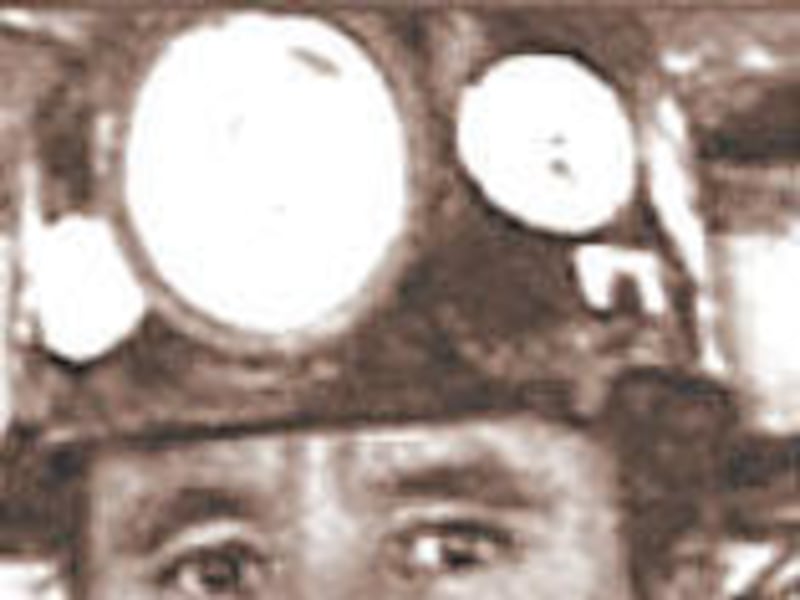
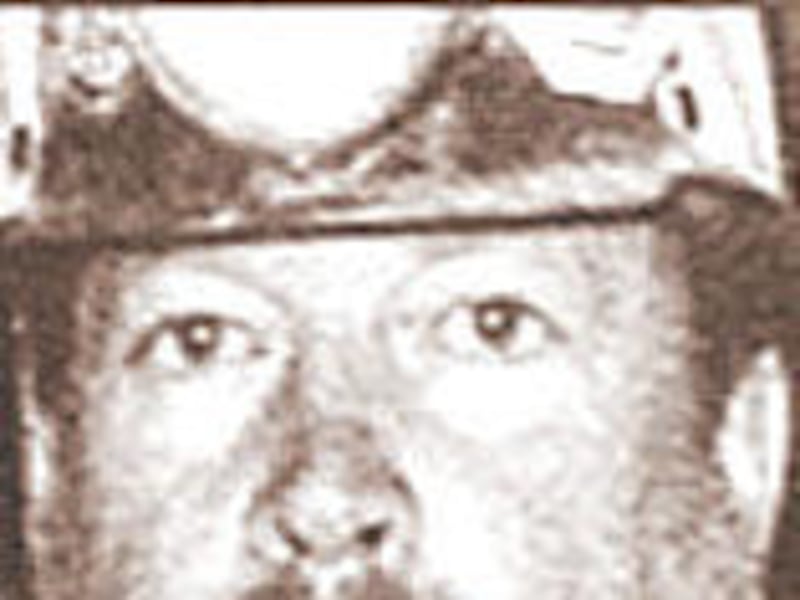
On Aug. 6, 2007, six miners — Kerry Allred, Don Erickson, Luis Hernandez, Carlos Payan, Brandon Phillips and Arturo "Manuel" Sanchez — were trapped when an area of the Crandall Canyon coal mine collapsed near Huntington in Emery County. Days later, three rescuers — Dale Black, Gary Jensen and Brandon Kimber — were killed and several others were injured while trying to reach the trapped miners.
The bodies of those trapped inside were never recovered, and the mine was later permanently shuttered.
Huntington Mayor Hilary Gordon called the settlement "another milestone in the healing process" and said she hopes it helps the families move forward.
"If the families had a choice, they would … give all the money back and have their loved ones," she told the Deseret News. "But that isn't a choice, and the money helps with the day-to-day living that they're faced with without the ones they relied on."
In an e-mail to the Deseret News, Kevin Anderson, attorney for UtahAmerican Energy Inc., parent company of the mine operator, Genwal Resources Inc., said "no one is going to claim victory here, given the events that brought us to this point."
"Yet I can also say that our clients are pleased to have these matters resolved at this time, in the manner and for the amount resolved, and to put the accidents in the past."
Genwal Resources is a subsidiary of Murray Energy Corp., based in Pepper Pike, Ohio.
Four other companies linked to the mine's operation were part of the settlement, plus six insurance companies and the Los Angeles Department of Water and Power. The other companies were two other Murray Energy affiliates that operated and held the lease on the Crandall Canyon mine, mining consultants Agapito Associates Inc. of Grand Junction, Colo., and mine co-owner Intermountain Power Agency.
Anderson said it would take about four months to complete all the legal paperwork, at which time the civil part of the dispute will be officially resolved.
In February, the Associated Press reported that U.S. Attorney Brett Tolman said that even if he finds evidence of negligence at Crandall Canyon, it might not be enough to warrant criminal charges. He said at the time that he was still looking deeper for evidence that could be brought before a grand jury. The possible evidence includes allegations by federal regulators — vigorously denied by the company — that mine managers misrepresented early warning signs of danger at the central Utah mine.
"We truly believed the mine was safe — a belief that was shared by MSHA (the Mine Safety and Health Administration) itself, by expert mining consultants and by our own experienced miners. Still, this tragedy could not be averted," Anderson said in a statement in February. "We are confident that upon completion of their review, they will conclude there was no criminal intent in this terrible event."
Havas told the Deseret News on Tuesday that arriving at a settlement agreement will go a long way toward moving the families ahead in "the healing process."
"When we are able to bring a lawsuit to a close, there is some measure of closure — putting that chapter of things behind us as a plaintiff or as a community allows that little piece to be put to rest," he said.
"We should never forget what happened and the loss that these families suffered and that the community suffered."
Contributing: Associated Press
E-mail: jlee@desnews.com