


JoJo Brandstatt's only request was to call his mom.
His captors told him, "No." A short time later, he was led through a broken fence, up a small hill to a golf course, shot three times and left for dead.
"It's really hard … hard to know my son's only request was to call me, and that they didn't even let him do that," sobbed Brandstatt's mother, Elka Fernandez, outside 3rd District Judge Vernice Trease's courtroom.
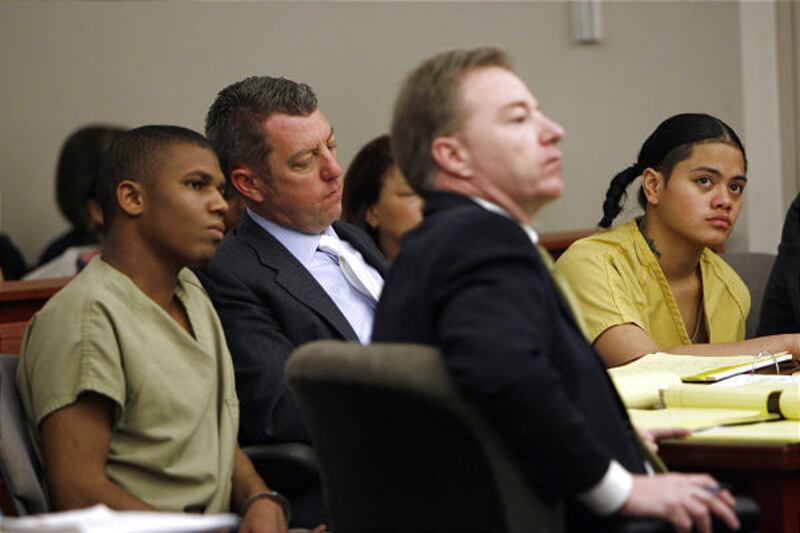
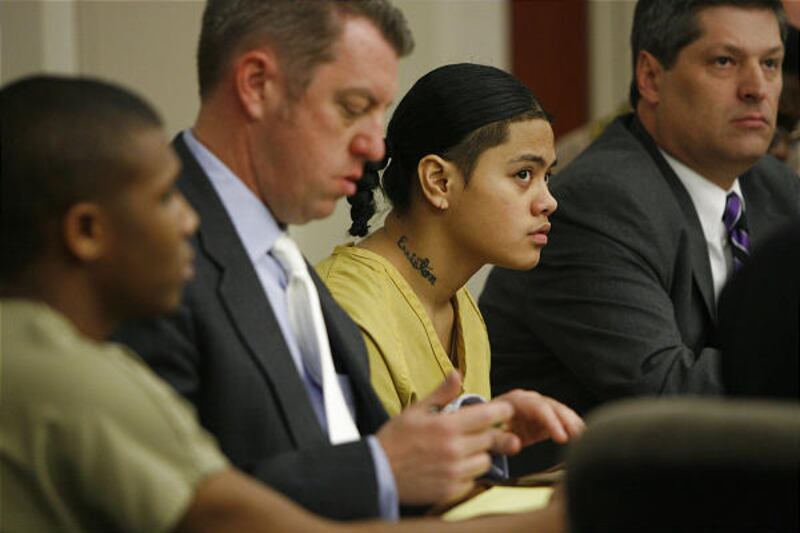
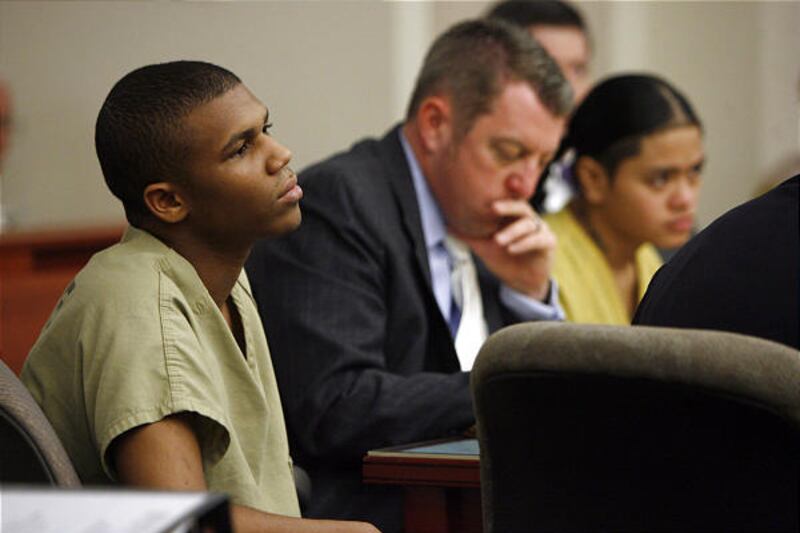
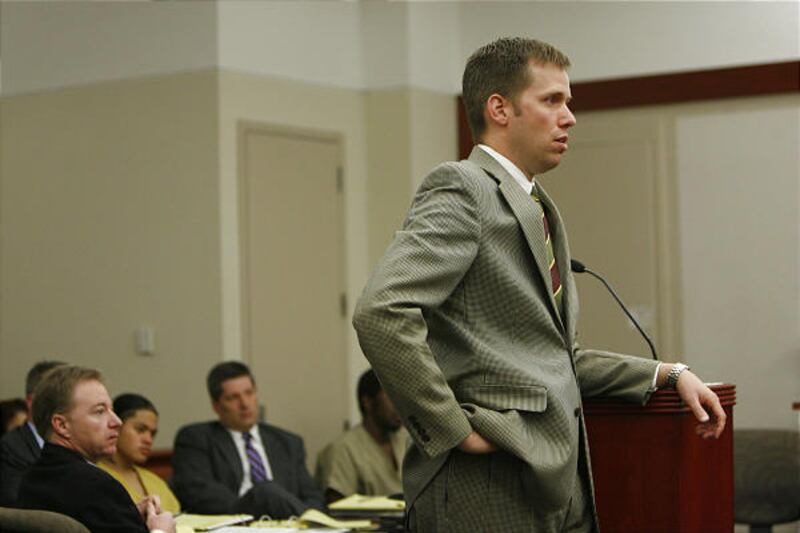
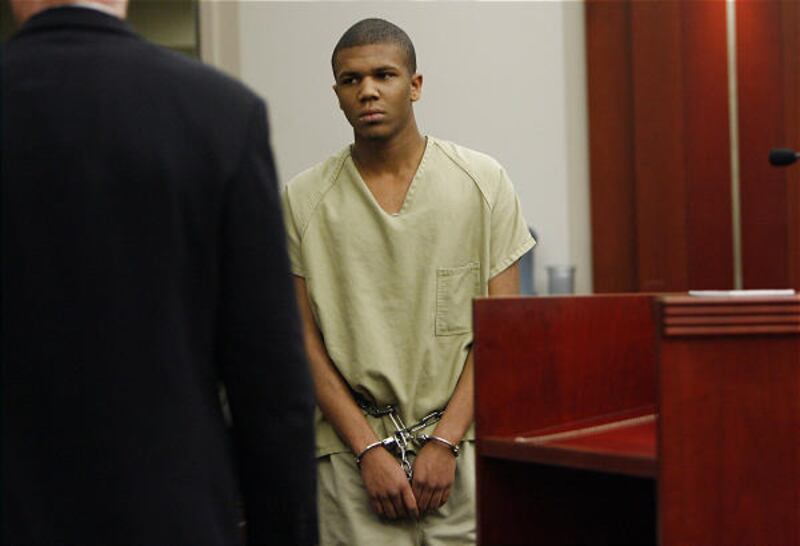
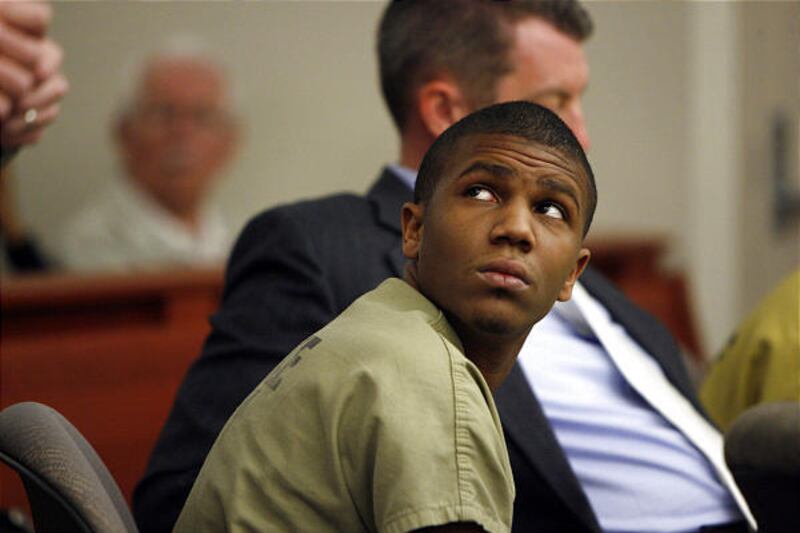
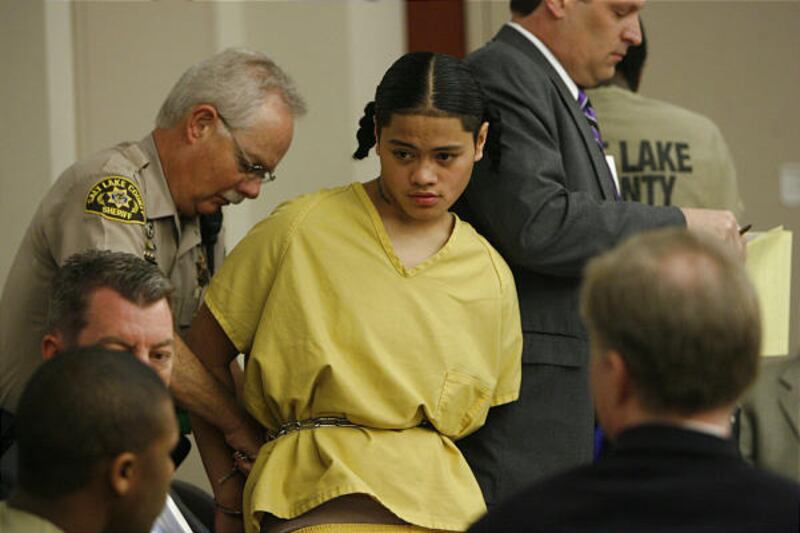
On Wednesday, a preliminary hearing got underway for two men and a woman accused of kidnapping Brandstatt and killing him, apparently because he wore the rival gang colors of one of the assailants.
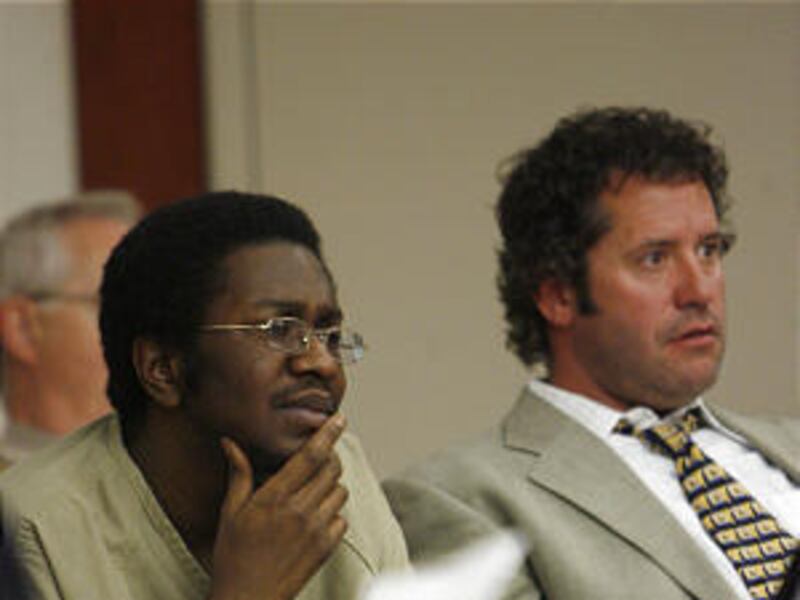
Jeremiah H. Williamson, 28; Spencer Isaiah Cater, 18; and Shardise O. Malaga, 19, each are charged with murder, two counts of aggravated kidnapping and five counts of aggravated robbery in connection with the Feb. 5 shooting death. A fourth person, a 14-year-old that witnesses and prosecutors believe was the ring leader, is charged with similar crimes in juvenile court. A hearing to determine whether he can be certified as an adult is scheduled for July 15.
The majority of witness testimony Wednesday came from Greg Brown, a man who was allegedly kidnapped prior to the murder, forced to commit robberies to pay off his abductors, and who eventually dragged Brandstatt into the situation with a phone call.
"That's what makes me so angry: He died over something he wasn't a part of," Fernandez said.
In court, several of Brandstatt's relatives wore black T-shirts with his picture on the front with the words, "In loving memory of our baby JoJo."
The bizarre story began when Brown, 19, met up with the defendants earlier that day for what he thought would be an exchange of drugs for a gun. Instead, the defendants robbed him. But when they couldn't find as much money on Brown as they had hoped, they made him stay in their car while they drove around.
"I'm feeling a little nervous, like something's about to go down," he said in court during very detailed testimony of that day's events.
The next thing Brown heard was the term "green light" being used, street lingo for killing someone, he said. One of the defendants pulled out a gun and cocked the trigger, Brown said. Browns's wrists were bound together with duct tape.
The juvenile told Brown, "You need $2,000 for your life."
Brown said he made 50 to 70 calls on his cell phone, trying either to find people who would loan him the money or to set people up to be robbed. The juvenile warned Brown that they would kill him if he gave any hints about what was happening.
But Brown wasn't having any luck, and at one point, he was driven to a remote field where the juvenile pointed a gun just an inch away from his groin area.
"They said I need to do better or I'm not going to have my parts no more," Brown said.
In an attempt to find someone who could help him sell drugs or find people to "lick," or set up some rip-offs, Brown called Brandstatt, a person he had met when they were both juveniles in California.
Brandstatt said he knew a house where they could commit a home-invasion robbery. When the group picked him up, he was wearing a red shirt and red shoe laces, the colors of a Blood gang. The juvenile who had kidnapped Brown belonged to a Crip gang.
Brandstatt got lost trying to find the house to rob. The long drive made the defendants nervous that they were being set up, Brown said. That's when the juvenile angrily told Brandstatt that his gang "shot up his neighborhood and killed one of his homies," Brown said. Brandstatt pleaded that he had nothing to do with it and had no beef with the Crips.
Fernandez said that even though she was an ex-gang member and many of Brandstatt's family members were gang members, her son was not. "He was never jumped-in," she said.
Brandstatt dressed in red because he wanted to "fit in," his mother said. But his mother said she had tried to steer him away from the gang lifestyle.
Now, Fernandez fears that when Brandstatt asked his captors to call his mom, "I know he thought, 'I should have listened to my mom,' " she cried.
Despite Brandstatt's pleas with the juvenile, the phrase "green light" was used again.
At the Westridge Golf Course, 5055 S. Westridge Blvd. (5950 West), everyone except Brown and Williamson got out of the car.
Brown next heard three gunshots, followed by everyone from the group, except Brandstatt, running back to the car. Everyone but Williamson was laughing as the juvenile bragged about how he shot Brandstatt three times, Brown said.
After the shooting, Brown still had to raise $2,000 for the group. He offered to rob convenience stores, he said. The group agreed to the idea and warned him not to run off.
"Don't run. Get what ya gotta do. Make some money," Brown said the juvenile told him. They gave Brown a pellet gun, which he use to rob three 7-Eleven stores.
When Brown later arrived home, he didn't call police to tell them that his friend had just been murdered. He said he felt stressed and just wanted to take a shower and go to bed.
"I just wanted to go about my business, ya know?" Brown testified in court. "I was going to handle the body, but I didn't want to include police."
Although Fernandez said she was happy that Brown came forward and told the truth, she was disturbed by that revelation.
"It's hard to hear your son is just a body to someone," she said.
Fernandez said she feels great anger toward the defendants and is not sure she could forgive them, but hopes if any good can come from this tragedy, it's that the group can do something with the rest of their lives. But she feels no matter what happens to them, she is the one serving a life sentence.
"Nothing will ever bring back my son," she said.
E-MAIL: preavy@desnews.com