

It hardly seems possible that barely a half year has passed since the nation's biggest worry was that one of its Big Three automakers would be forced into bankruptcy. The resulting disruption to suppliers, bondholders and to general consumer confidence in cars would be devastating to an already teetering economy, experts said then.
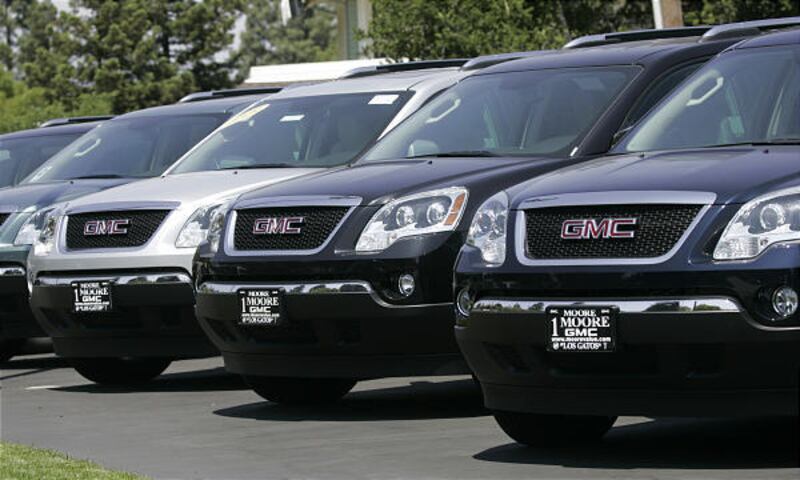
So the government jumped in quickly, and now Chrysler is bankrupt and GM is expected to file for reorganization today.
What seems more clear now than it was several months ago is that the collapse of these two companies was inevitable and that the economy would have been better served if Washington hadn't shoveled lots of bailout cash in an effort to prop them up. As far as GM is concerned, the government already has provided an estimated $50 billion or more. Recent reports about a proposed bankruptcy deal show that little, if any, of this money will be repaid. And yet every penny of it came out of the economy, where it otherwise could have been used to provide jobs. Now it will remain as debt that must be accounted for somehow, most likely in the hidden tax of inflation.
But what ought to be equally clear to everyone now is something no one in Washington seems to comprehend. A future version of GM that is owned mostly by the government will be unable to compete successfully in an international market. The bankruptcy deal would convert the U.S. government's debt into a 60 percent equity in a new GM. The United Auto Workers also would own a significant stake.
With politics and union demands holding sway, the desires of the marketplace are bound to receive little attention, and that will make a strong rebound of the old auto giant — the only thing that would allow the government to extricate its ownership and repay taxpayers — unlikely.
Meanwhile, the bankruptcy deal would greatly harm GM's bondholders, who would receive pennies on the dollar for their investment. About 80 percent of those bonds are held by institutional investors, such as pension funds and endowments. Their losses will hurt real people in real ways, but perhaps not in ways that easily would be tied to politicians.
Of the former Big Three, only Ford has resisted the urge to accept federal help. If it manages to navigate these difficult waters and emerge on the other end, our guess is Ford will be in a position to be much more nimble and profitable than its government-infested brethren.