





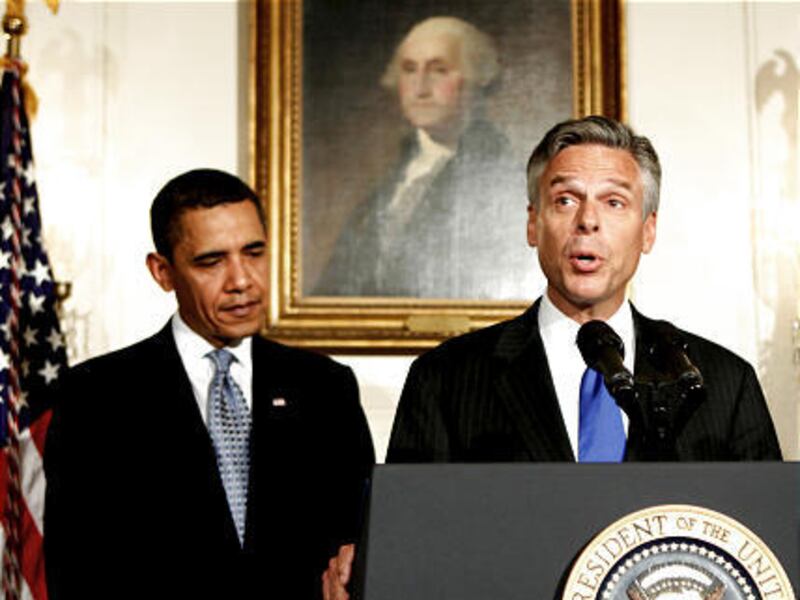





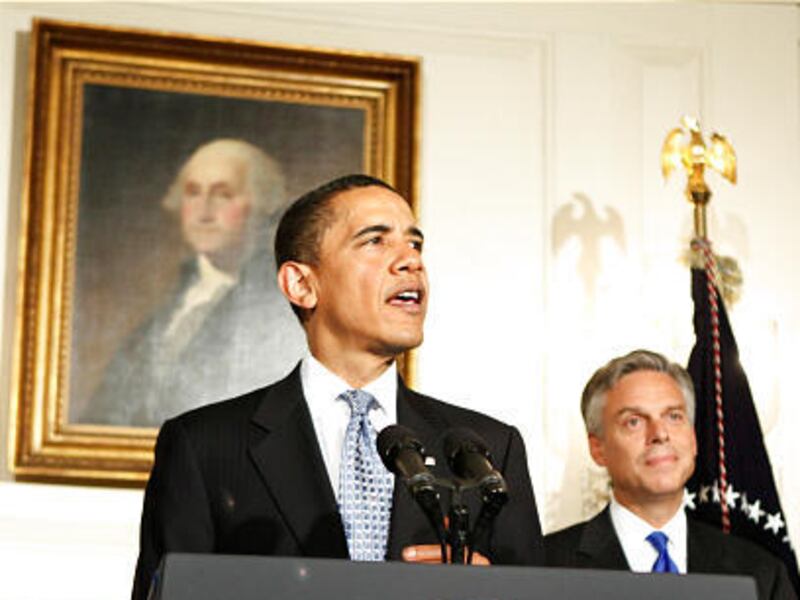
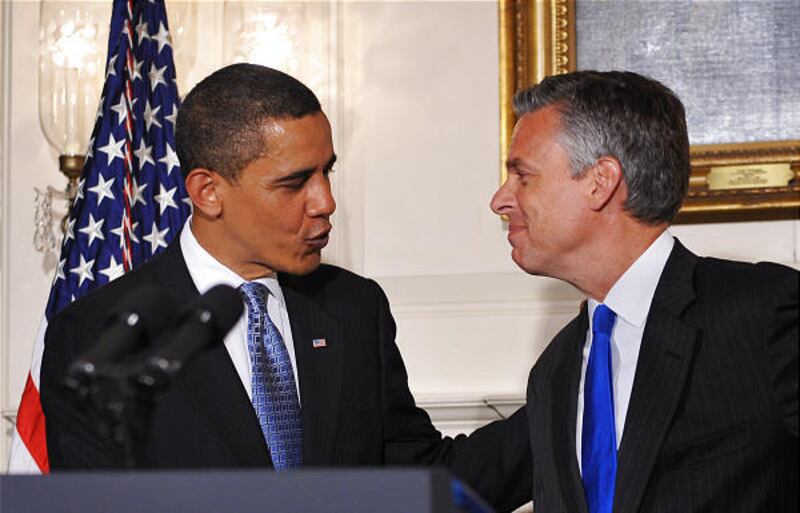
When Jon Huntsman Jr. is confirmed U.S. ambassador to China sometime in the next two weeks, he will become the fourth Utah governor tapped for a federal appointment but only the second to leave mid-term.
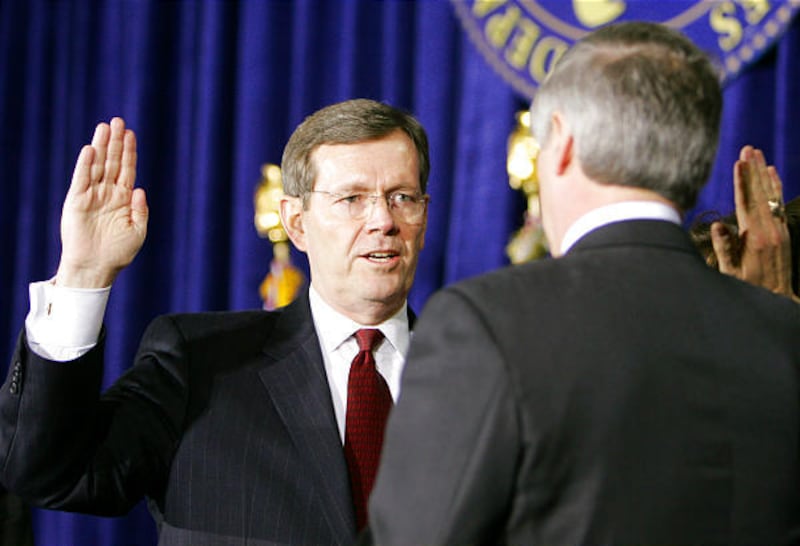
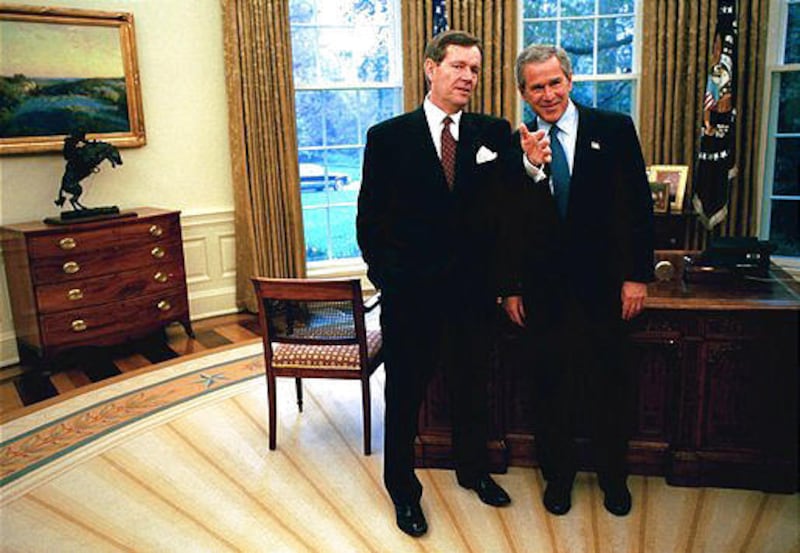
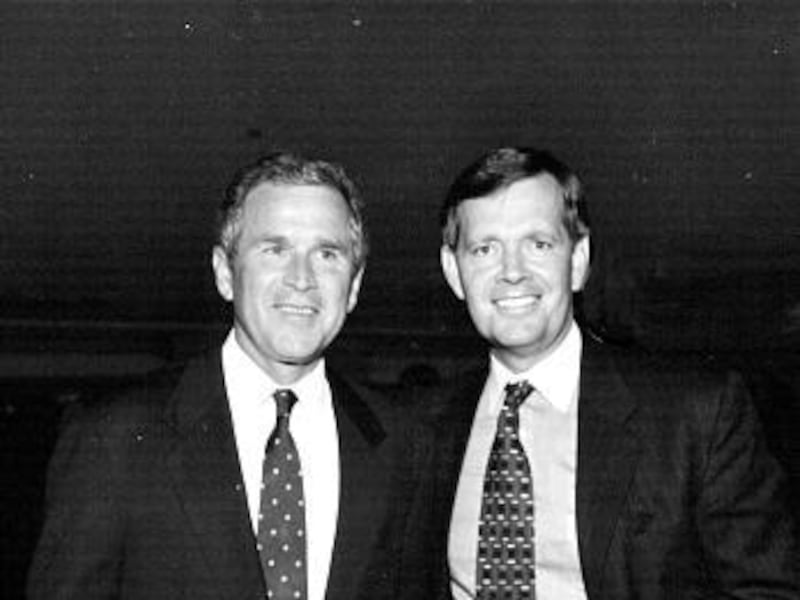
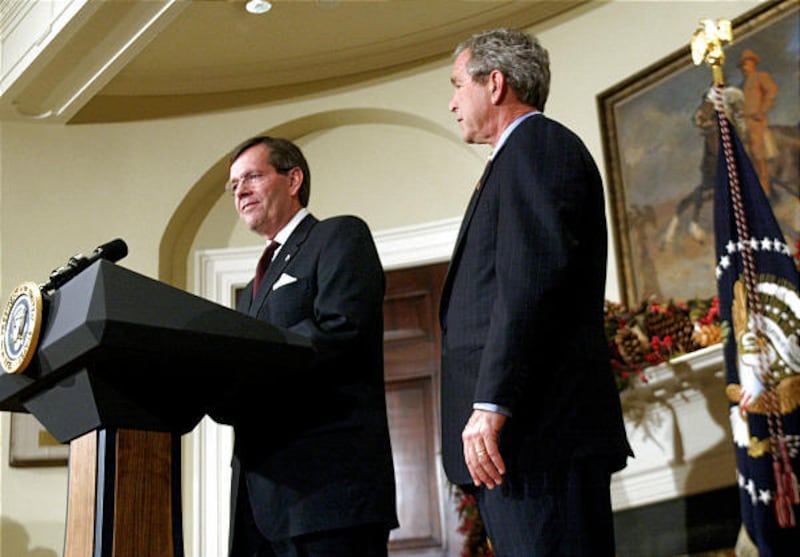
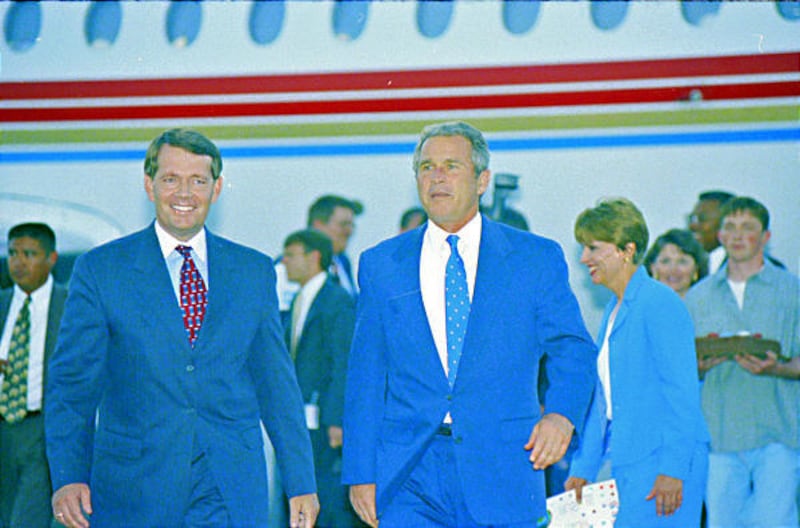
Huntsman will share that distinction with Michael Leavitt, who resigned as governor in 2003 in the middle of his third term after he was nominated by President George W. Bush to oversee the Environmental Protection Agency.
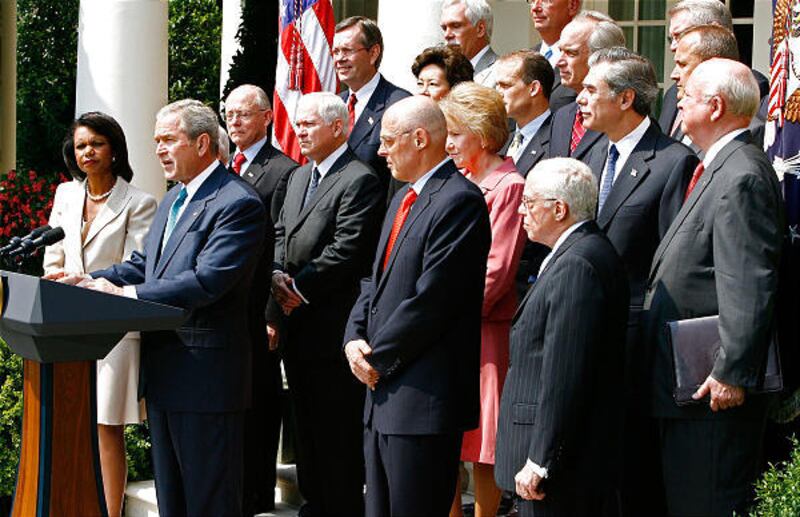
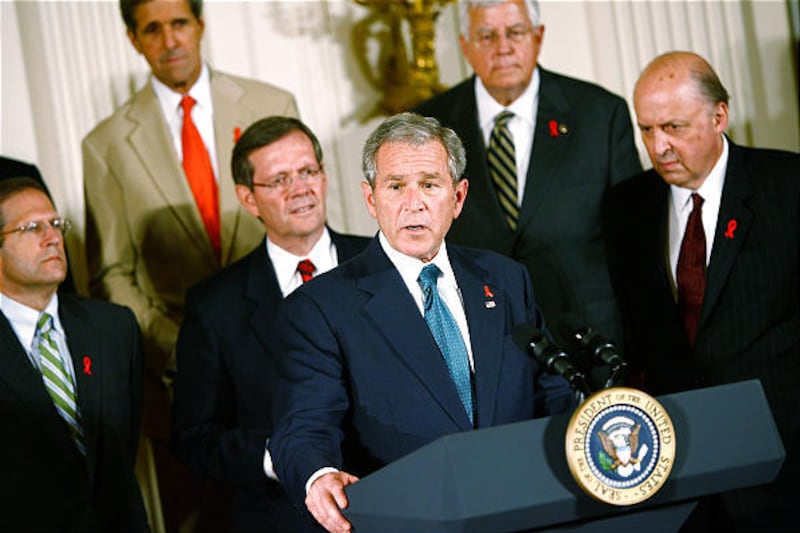
On Dec. 13, 2004, Leavitt was nominated by Bush to succeed Tommy Thompson as secretary of Health and Human Services and was confirmed by the Senate by voice vote on Jan. 26, 2005.
At the time of his nomination, the Washington Post reported the following about Utah's former governor:
"The president described Leavitt, whose 10 years as Utah governor overlapped with Bush's tenure in the Texas capital, as 'an ideal choice' to lead HHS. 'He has managed the EPA with skill and with a focus on results,' Bush said. 'I've come to know Mike as a fine executive and as a man of great compassion.' "
Among many responsibilities, Leavitt was at the forefront of preparing the nation for a pandemic influenza during the Bush administration. Of chief concern at the time was the avian flu.
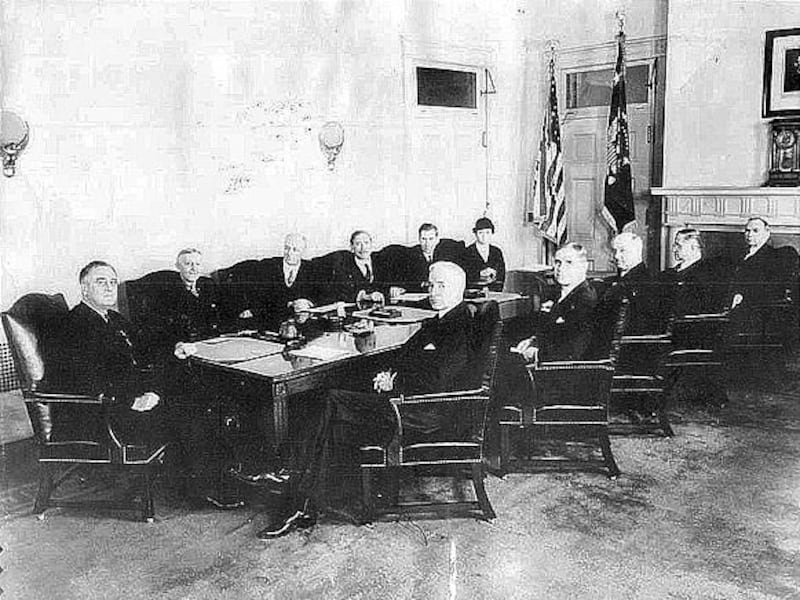
Utah's only other governor to fill a position in a presidential cabinet was also the first Utahn to hold that distinction. George H. Dern served as Franklin D. Roosevelt's secretary of war from 1933 to 1936.
Dern was a Democrat who came to Utah from Nebraska to follow a career in mining and business. Along with Theodore Holt, Dern was responsible for the Hold-Dern roaster process, a popular method of recovering silver from low-grade ore.
In 1914, he was elected to the Utah State Senate and served as governor of Utah for two terms from 1925 to 1933. During his governorship, Dern secured the ratification of a revised Colorado River Compact, which recognized that waters of all streams belong to the states rather than to the federal government. This established a basis for the equitable sharing of the waters of the Colorado River.
He also managed a revision of Utah's tax laws in favor of middle- and lower-income groups.
Dern was also chairman of the National Governor Conference in 1929-30, and that's where he met Roosevelt, who was governor of New York at the time.
Dern was a strong supporter of Roosevelt in his 1932 election and became the 54th secretary of war at a time when presidential priorities were bogged down in domestic concerns related to the Great Depression.
Dern is credited with enlarging and motorizing the Army before he died at age 64 while serving in the cabinet. As a cabinet official, he was responsible for the creation and operation of the Civilian Conservation Corps.
He is also the grandfather of actor Bruce Dern and great-grandfather of actress Laura Dern.
The first Utah governor to be appointed to receive a presidential appointment was Willliam Spry, a Republican who served two terms from 1909 to 1917. Spry was appointed as a commissioner in the U.S. General Land Office in 1921.
Spry, who was born in Windsor, England, in 1864 and immigrated to Utah in 1875, gained international notoriety during his term as governor when he refused to intervene in behalf of Joseph Hillstrom, also known as Joe Hill, a well-known labor organizer and songwriter.
Hill had been sentenced to death for the 1914 murders of a grocer and his son, but questions around the trial and Hillstrom's high profile made him a cause celèbre throughout the United States and in Europe.
Spry died of a stroke in Washington, D.C., in 1929. The year before, he had been forced to withdraw from the U.S. Senate race because of poor health.
e-mail: mhaddock@desnews.com