

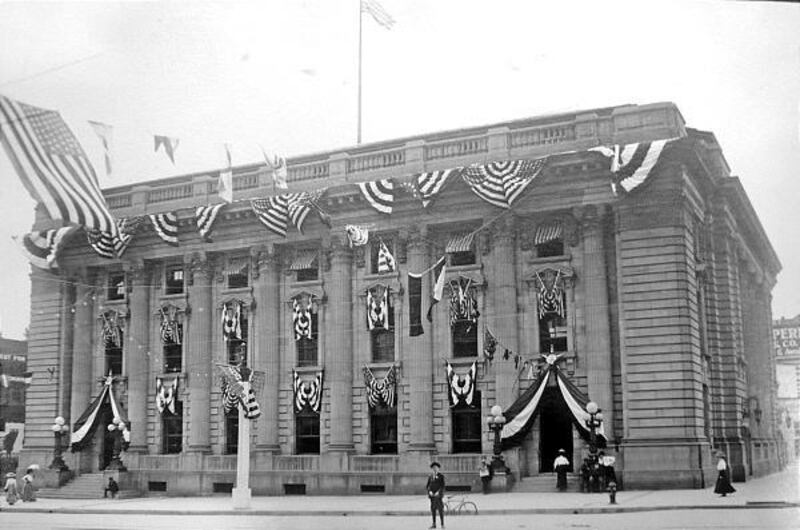
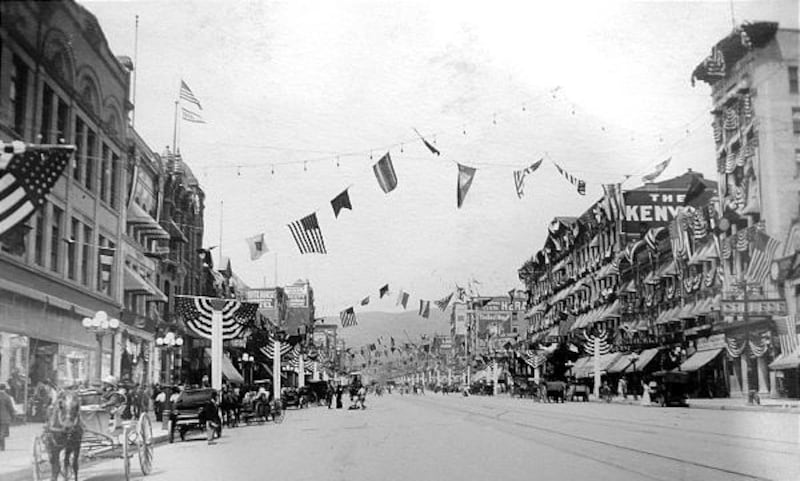
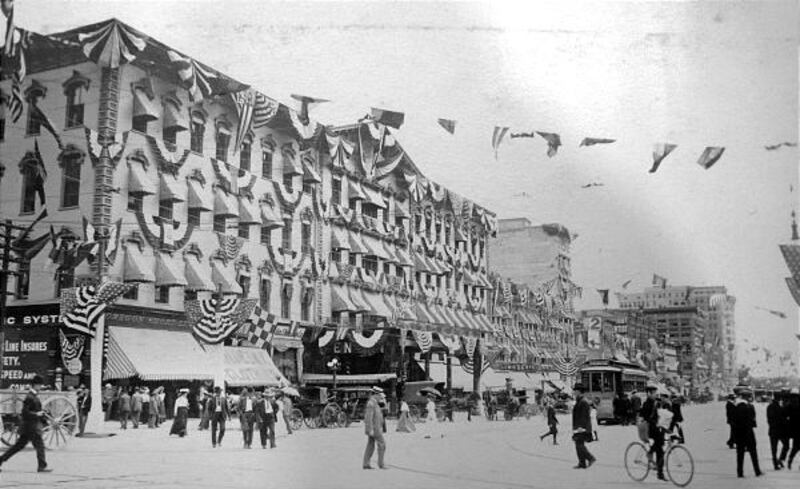
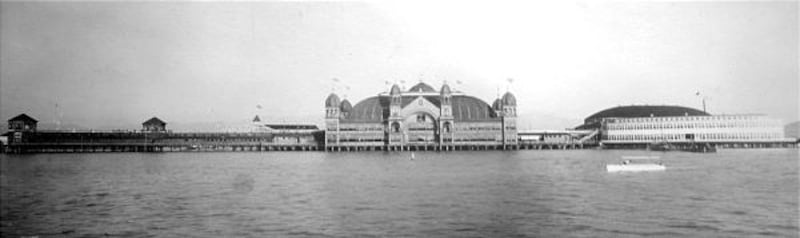
One-hundred years have passed since thousands of aging American Civil War veterans invaded Utah.
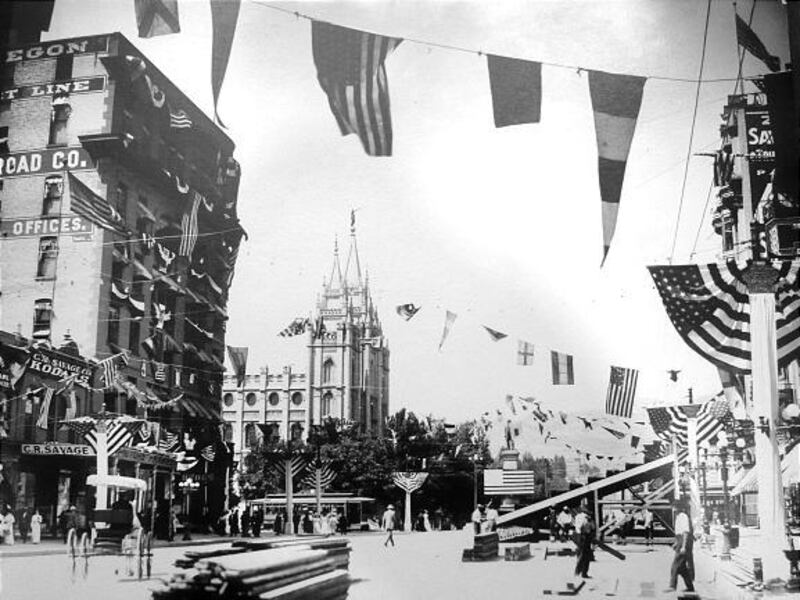
It was an occasion for celebration when, during the second week in August, 1909, the Grand Army of the Republic descended on the Beehive State for the organization's 43rd annual encampment.
The event, which took place 13 years after Utah gained statehood, was a windfall for the state and a chance to perform on the national stage comparable, at the time, with the 2002 Winter Olympics.
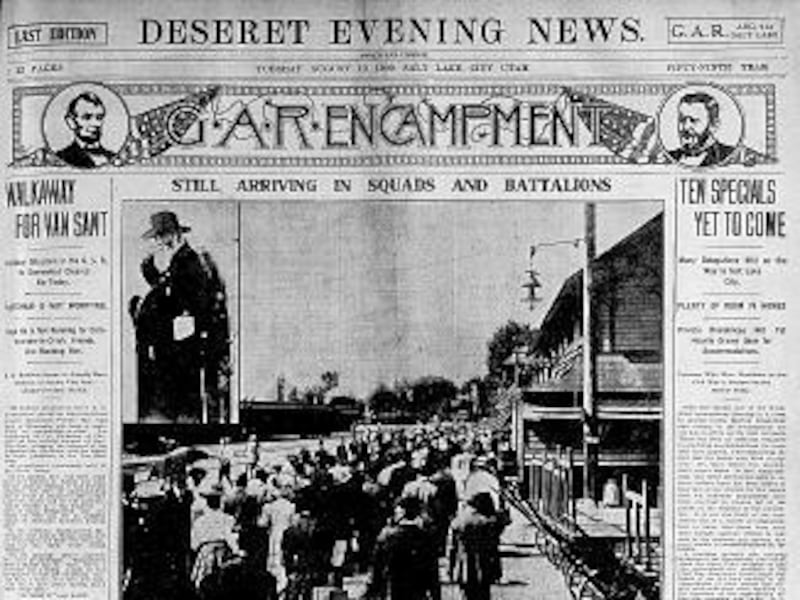
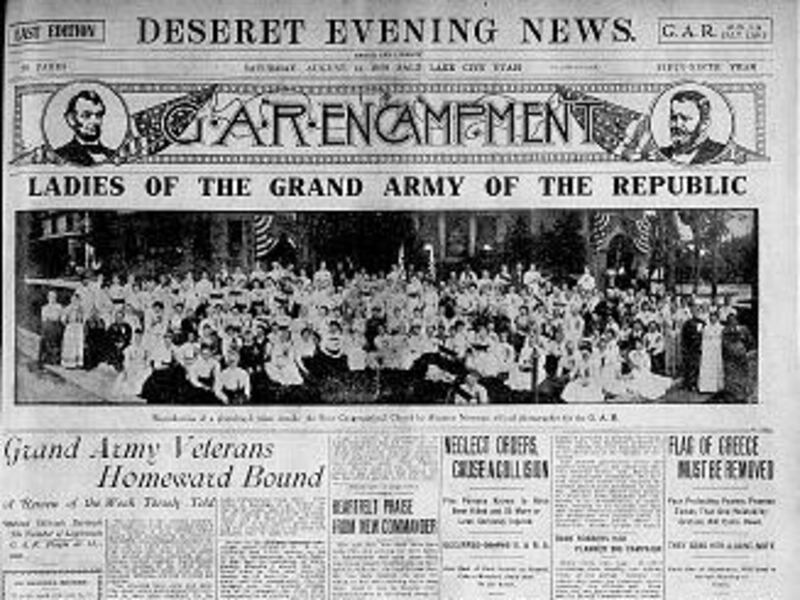
An editorial in the Aug. 12 Deseret News opined that "the encampment of the G.A.R. will always be on record as one of the great events in Utah's history."
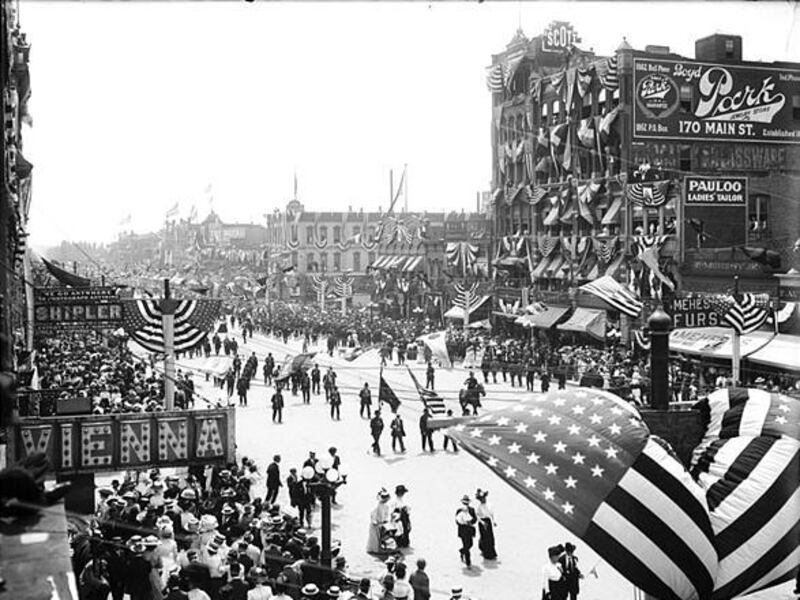
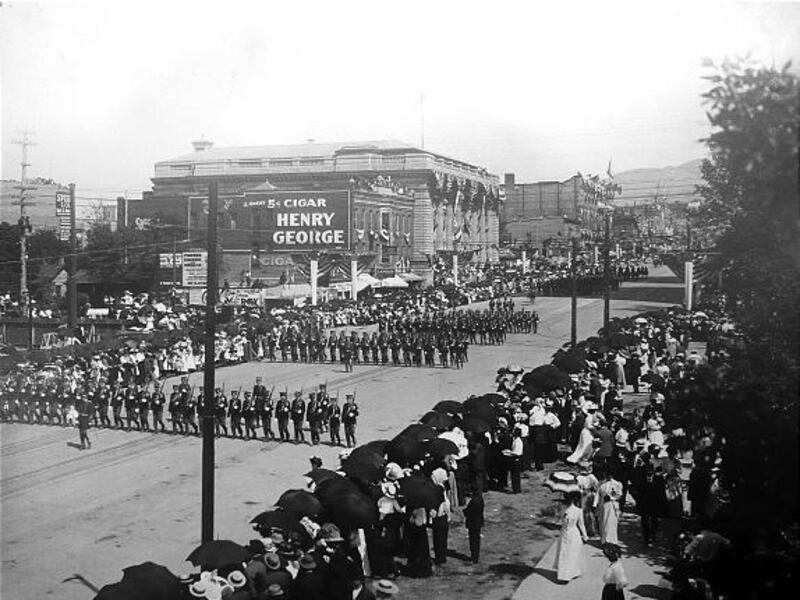
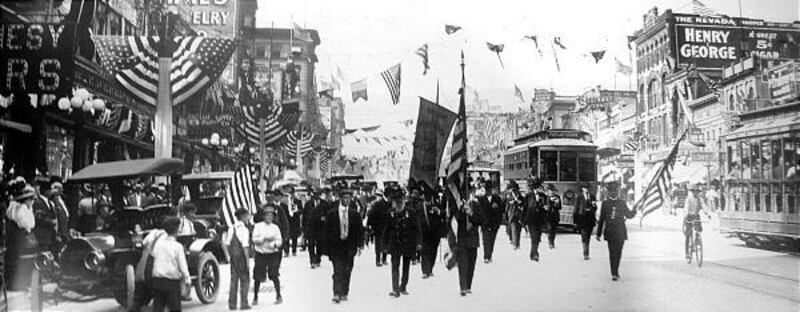
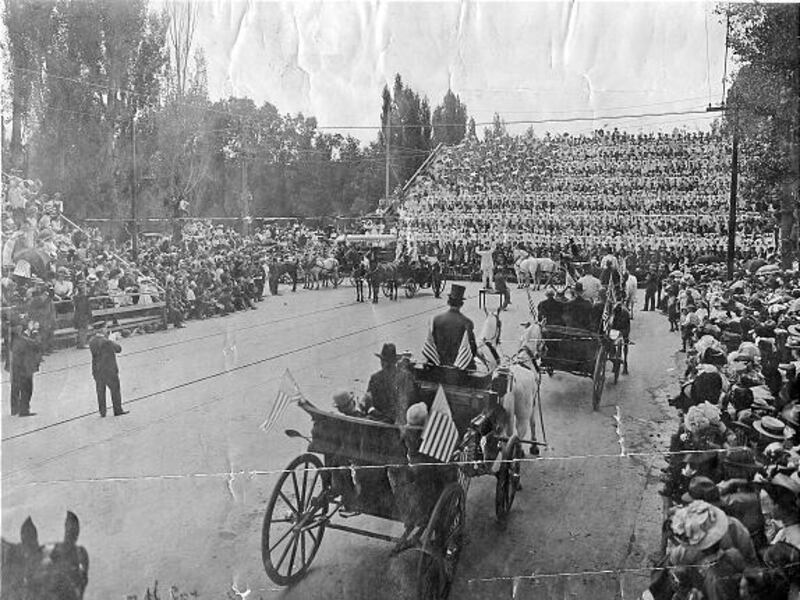
The week was filled with meetings, concerts and other events, but the highlight was the grand parade of 5,000 aging war veterans.
A report in the Aug. 11, 1909, Deseret News described the event:
"It was a banner day in the history of Salt Lake City. There was perhaps never a more inspiring sight than the marching of these battle-scarred veterans. It was an honor to Salt Lake City and Utah to entertain them and every veteran seemed to appreciate the harty (sic) reception which they received.
"For more than two hours the brave old fellows plodded between the lines of cheering people, keeping time to the old war music and singing old war songs. The parade was two and a half miles long. They marched the entire length of the course … to the reviewing stand at Main and South Temple streets. There they were received with wide open arms and thundering applause. Although burdened with 50 years since the war, it was nobly done."
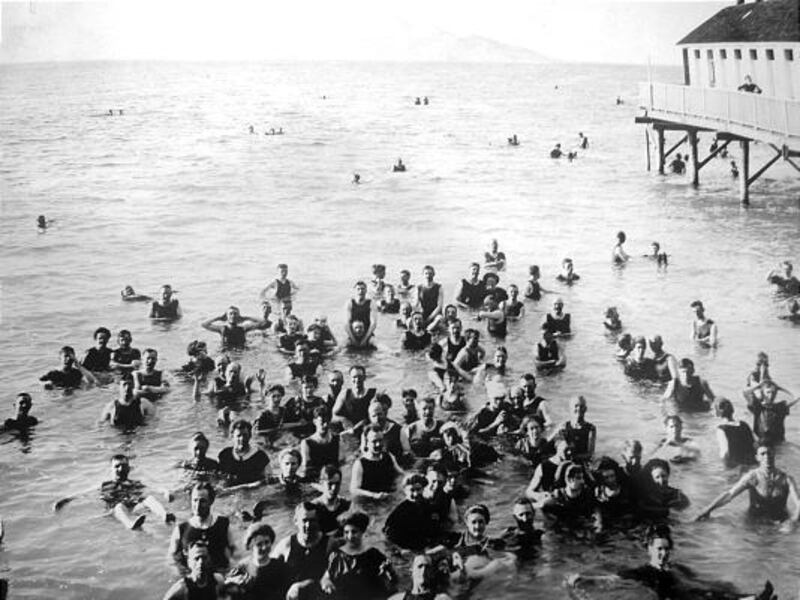
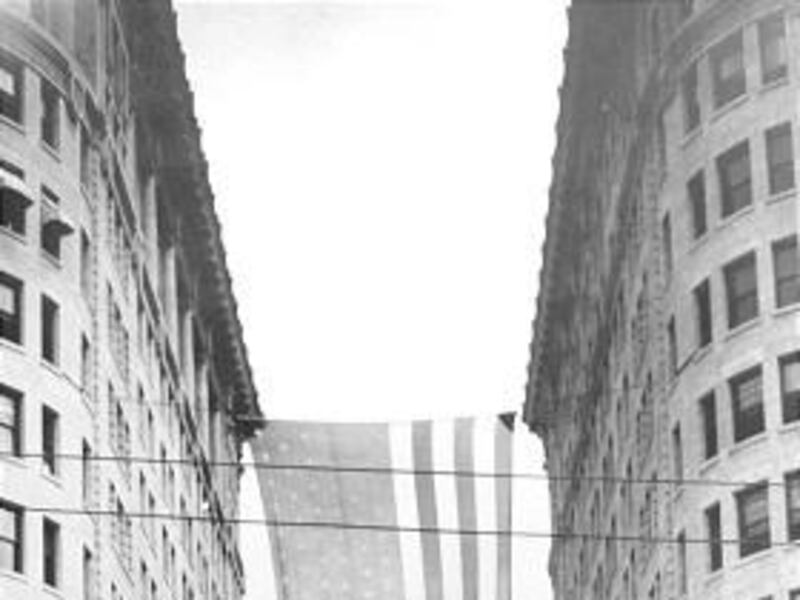
Photos of this seminal event from a variety of sources, including the archives of the Deseret News, have been collected by photo researcher Ron Fox and can be viewed at deseretnews.com.
In its day, the Grand Army of the Republic, or G.A.R., was one of the most influential political groups in the country. Created as a fraternal organization composed of veterans of the Union Army, the group was founded in 1866. The annual encampments were held from 1866 to 1949 and in their heyday attracted hundreds of thousands of veterans and their friends.
When Salt Lake City was named as the site of the 1909 encampment, the city, which had hotel accommodations for 7,000, scrambled to find housing for an expected 75,000 visitors. Organizers appealed to homeowners to open their houses to visitors, and they worked with the board of education to use schools as boarding houses.
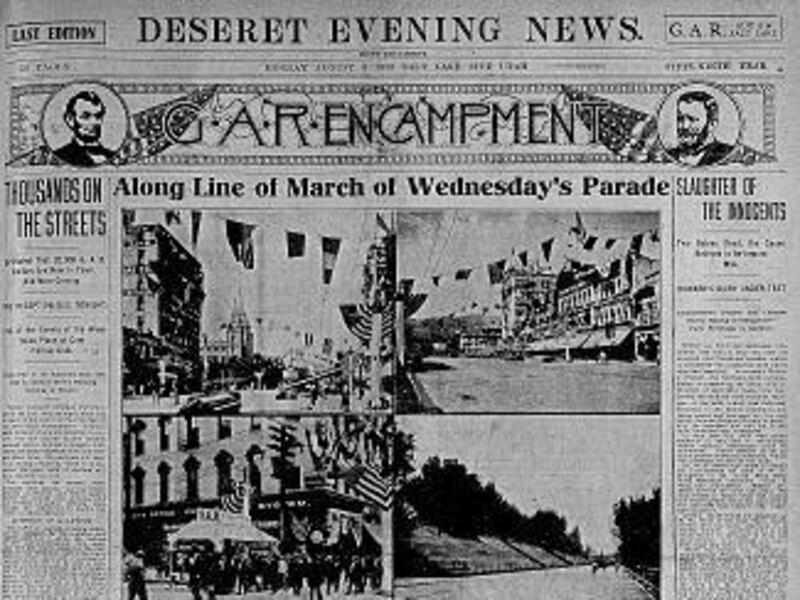
The Deseret News printed a special edition each day of the encampment, with a heading that included a picture of Abraham Lincoln on one side and Ulysses S. Grant on the other.
The big event for most Utahns was the parade, where an estimated 50,000 people gathered along the streets, in windows and on rooftops to watch.
As recounted by a Deseret News reporter: "In its faltering lines were 5,000 limping, gray-haired veterans, the remnants of that once grand victorious army which marched up to the cannon's mouth to save the Republic. As unmindful of the stress of years as in the days of '61 when youth and vigor and love of the flag knew no bounds, these dwindling thousands passed in review again."
An editorial in the following day's newspaper summed up the event — and Utah's pride as host:
"It was an inspiring spectacle, never to be forgotten. And the Veterans themselves looked as if they might be good for many more years. They marched to the strains of the music with as much vigor apparently as if they had been young boys, and they certainly made a deep impression upon all who were privileged to witness the grand scene."
e-mail: mhaddock@desnews.com