






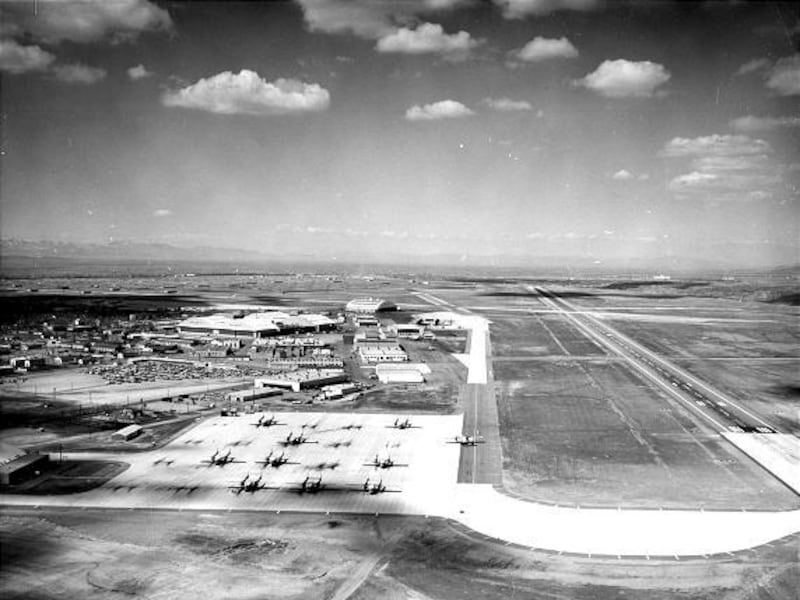





HILL AIR FORCE BASE — In two months Nazi Germany would begin World War II by invading Poland. It was July 1939 and the U.S. Congress approved $8 million to establish the Ogden Air Depot in northern Davis County. It would be December before a name would be given to the Army Air Corps' new airfield.
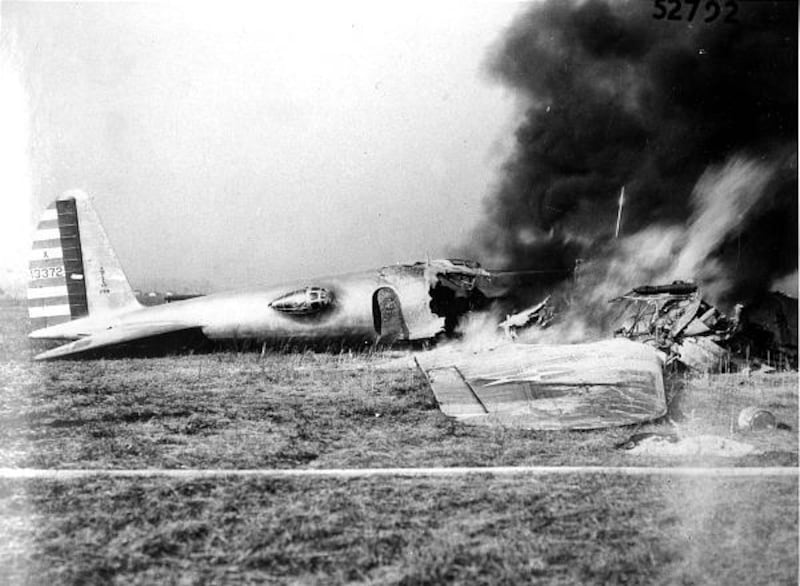
Maj. Ployer "Pete" Hill was a test pilot for nearly 60 of the Army Air Corps' aircraft. On Oct. 30, 1935, Hill was testing Boeing's experimental aircraft Model 299 at Wright Field in Ohio. Model 299 was the prototype for the B-17 Flying Fortress bomber used in World War II. Hill crashed the prototype and died as a result of his injuries. The U.S. War Department decided to name the new airfield after him: Hill Field.
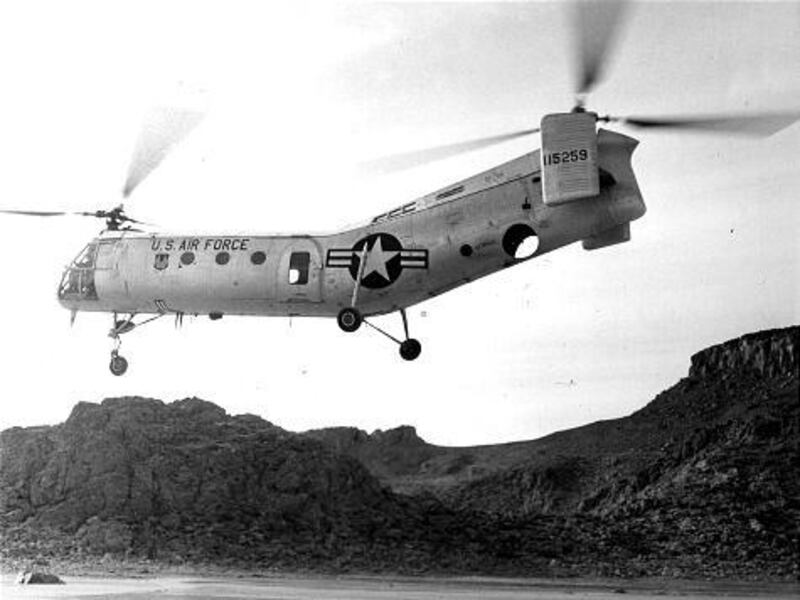
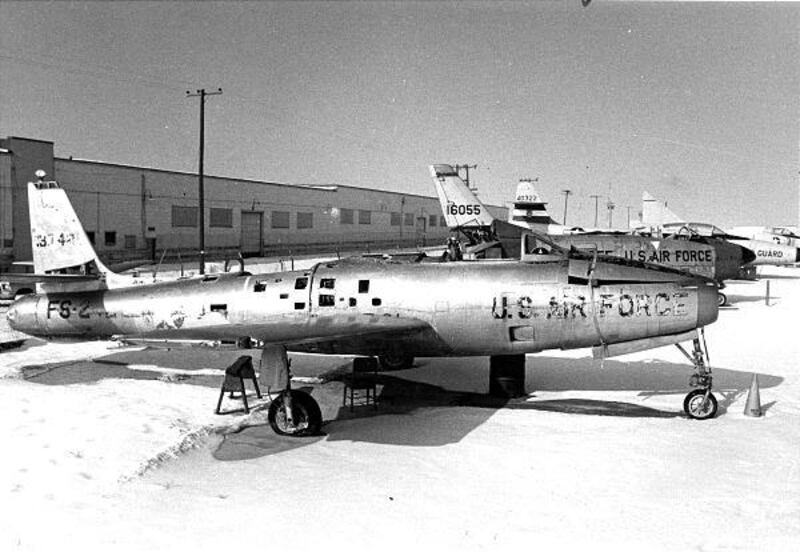
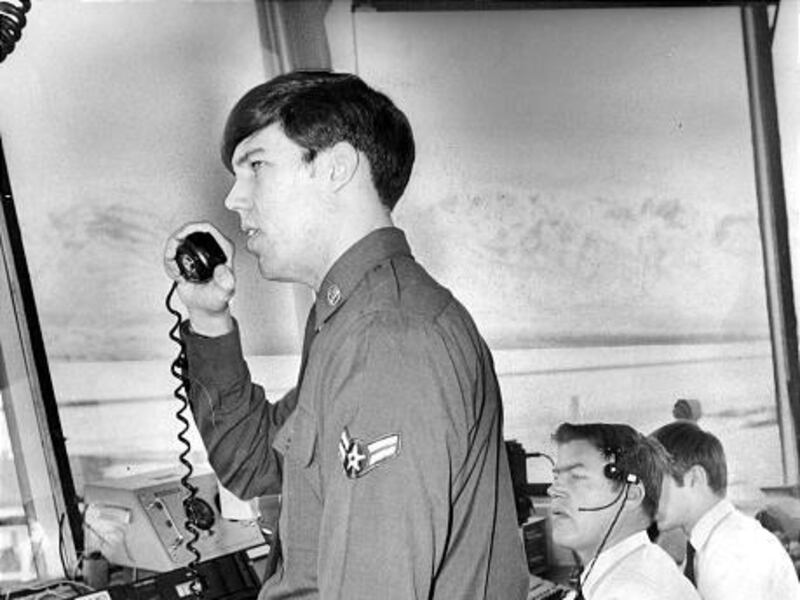
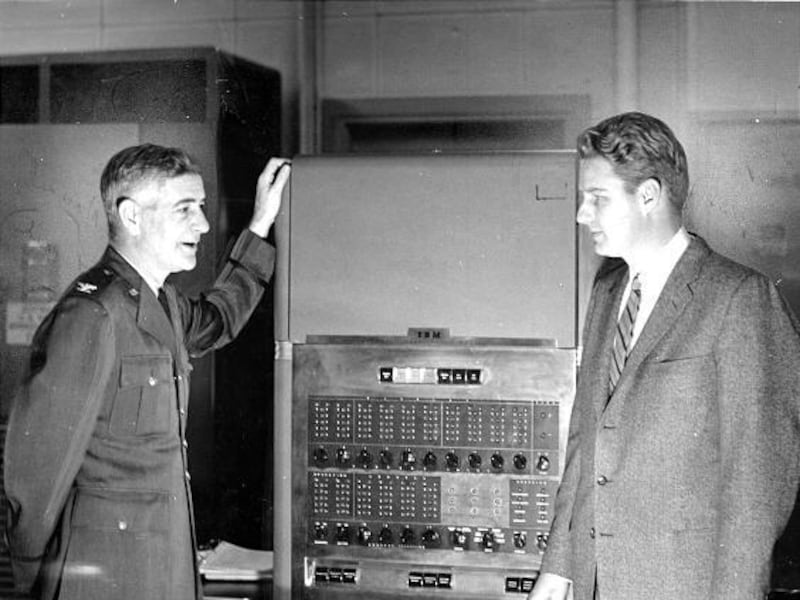
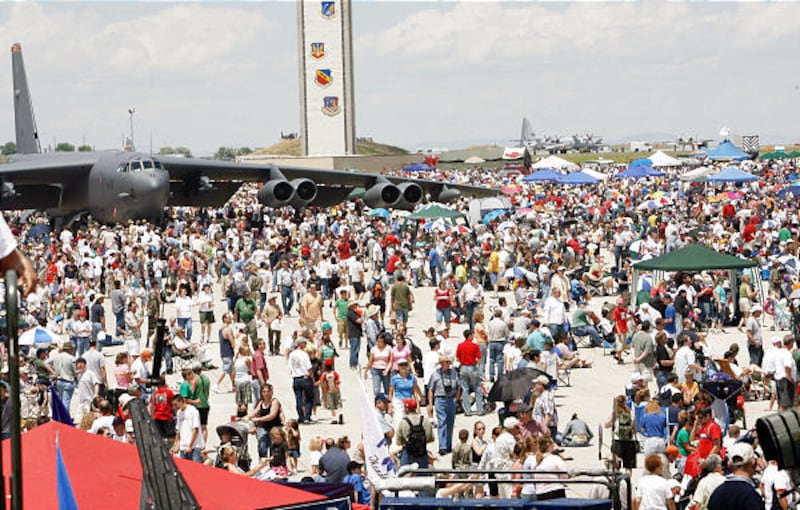
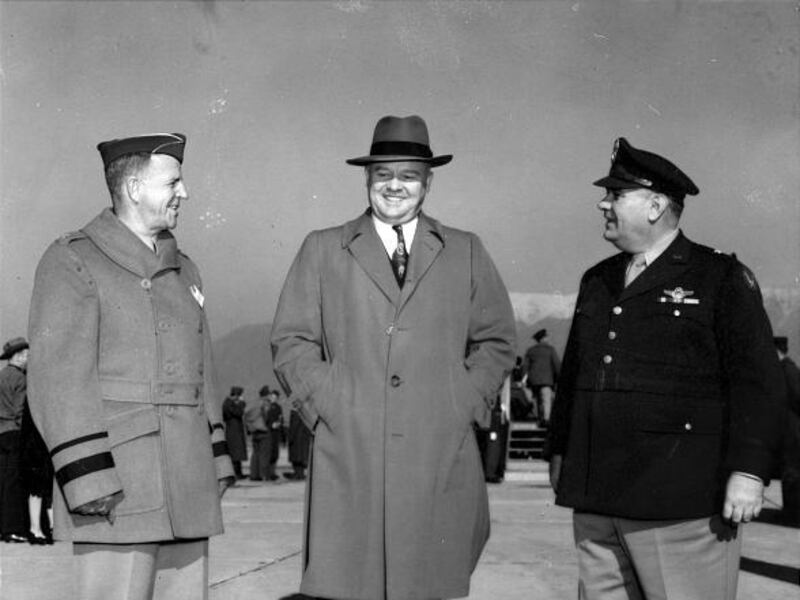
Hill Field officially began operations when the first commander of the Ogden Air Depot, Col. Morris Berman, arrived on Nov. 7, 1940 — 70 years ago this Sunday. Utah photo historian Ron Fox recently scanned several historic photographs from the Deseret News Archives of Hill Air Force Base's seven decades. Go to www.desnews.com to see a larger selection of these photographs.
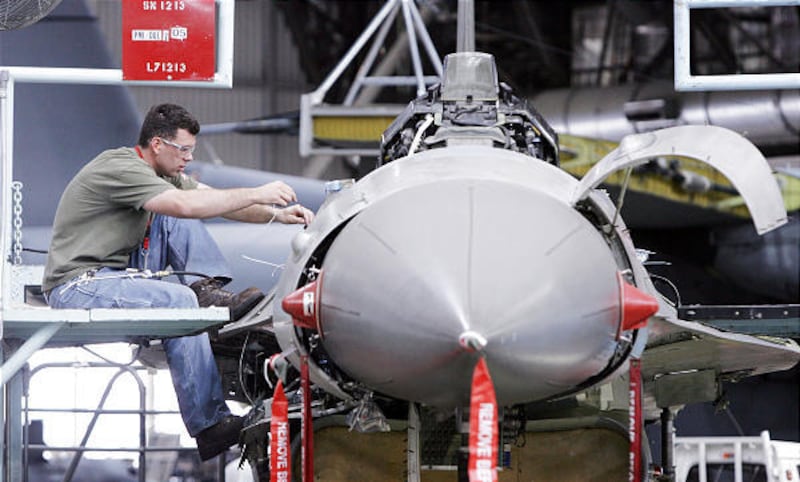
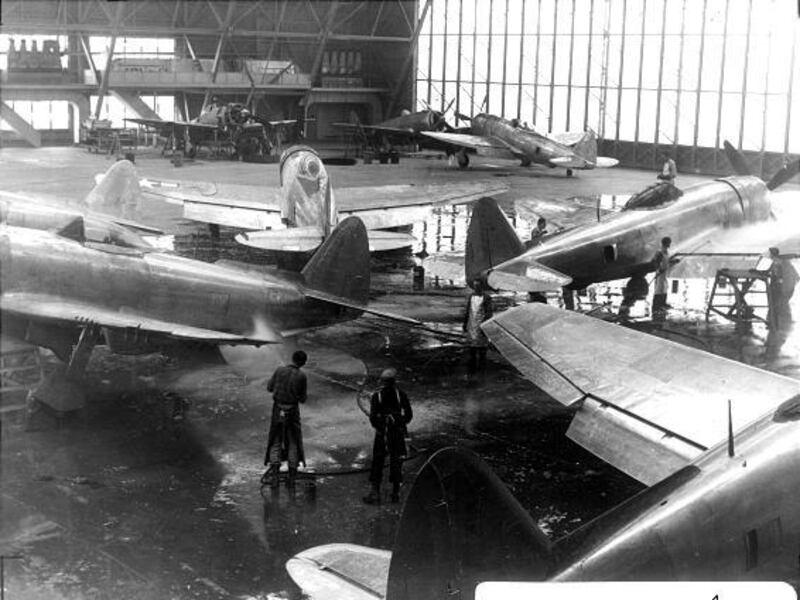
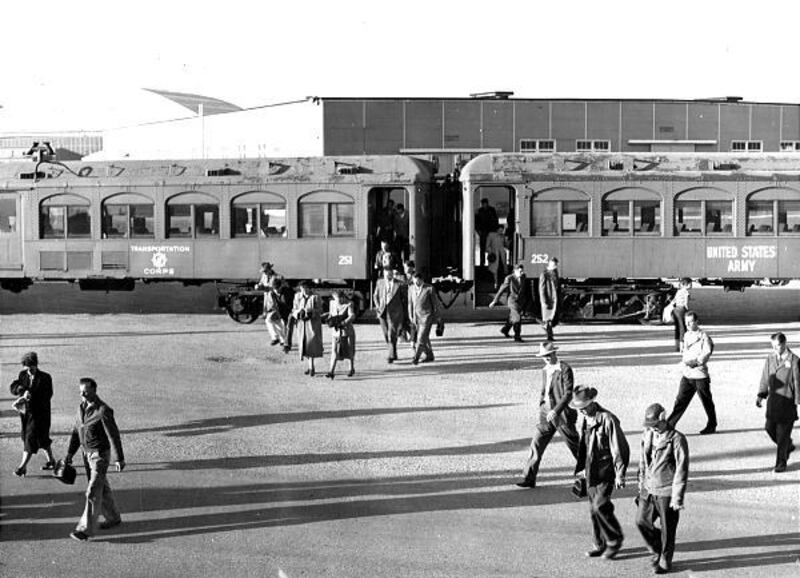
During World War II, Hill Field was used for maintenance and as a supply base. Bombers and other planes came to Utah to be spruced up. By 1943, the field had military 22,000 military personnel and civilians working to get planes ready to be sent back to combat.
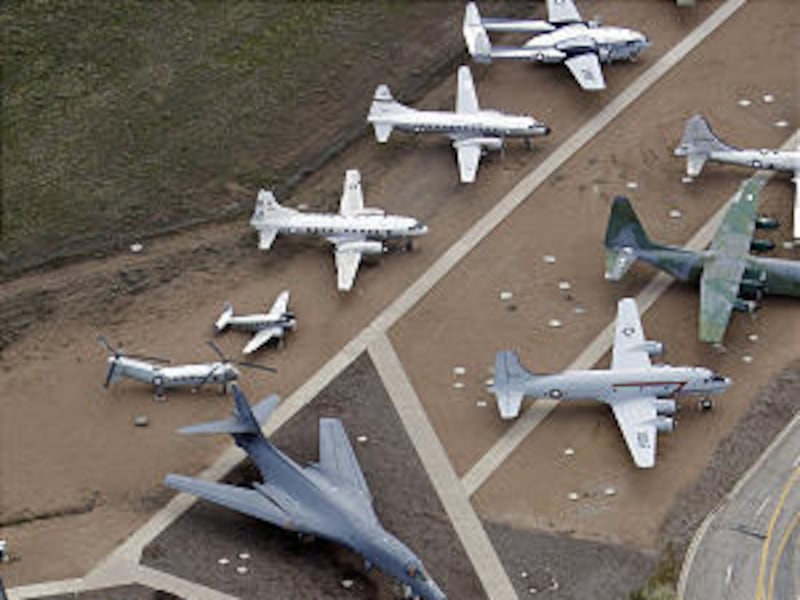
After the war, Hill Field stored planes for future use. The Army Air Corps became the United States Air Force and renamed the site on Feb. 5, 1948. Hill Field was now Hill Air Force Base.
In the wars that followed and through the periods of peace, Hill Air Force Base looked after a multitude of aircraft and missiles with a multitude of names like Thunderstreak, Scorpion, Voodoo, Delta Dagger, Night Intruder, Snark, Goose and Hornet.
During fiscal year 1980, Hill Air Force Base had "the busiest single runway of any airfield in the free world," Hill's website said. Traffic totaled 145,243 takeoffs and landings. The Ogden Air Logistics Center then managed an inventory valued at more than $2 billion.
So far the base has not only survived base-closing rounds, it has expanded in innovative ways. For example, ground was recently broken at Hill Air Force Base for the $1.4 billion Falcon Hill research park.
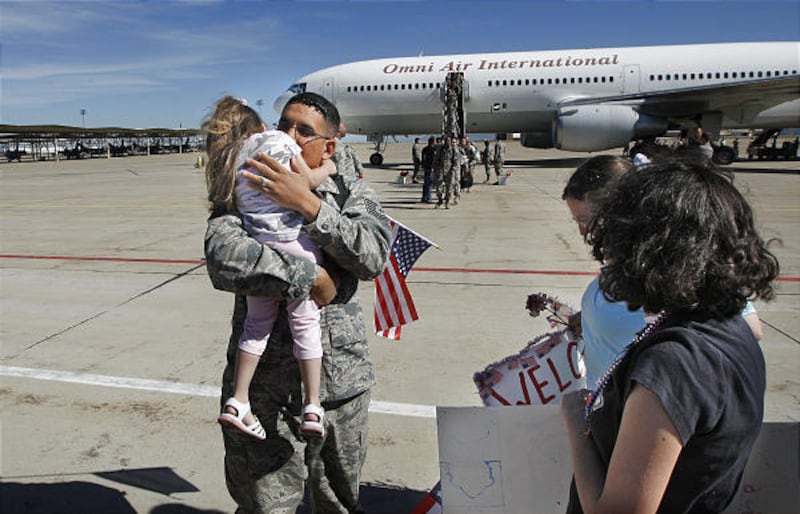
The base is Utah's largest employer with about 5,000 active-duty members and 25,000 civilians and generates about $2 billion in wages each year. It is also home to the 388th and 419th fighter wings. Hill has more than 500 airmen deployed in Iraq and Afghanistan.
e-mail: mdegroote@desnews.com