

Last week, the focus on winter gardens was about tree bark.
This week, we can turn to other plants that add color, form and interest to our gardens.
Evergreen plants naturally add to the winter garden. To increase their value, consider selecting those with unusual colors or shapes.
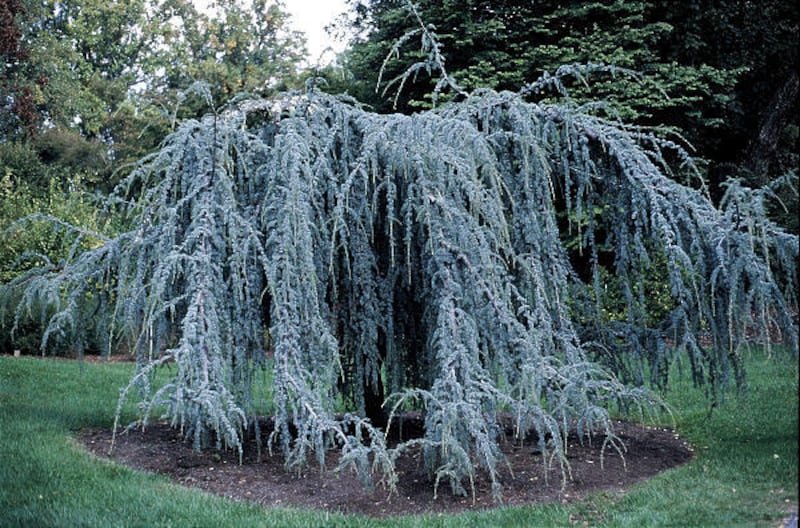
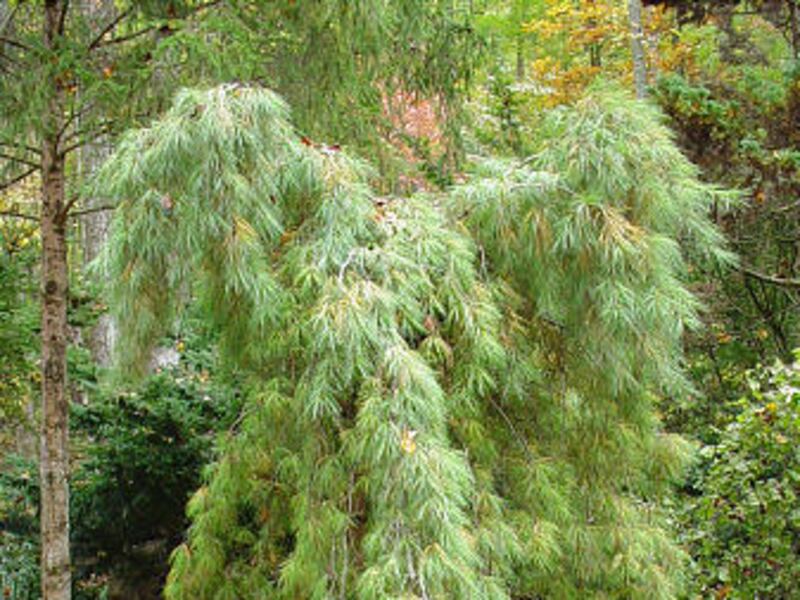
Many evergreens have striking weeping forms. Blue, white and Norway spruce are commonly available in weeping configurations. Other types include weeping Scots, white, Japanese red and many other pines. These are cold hardy in most of Utah.
The Blue Atlas cedar is a great plant for the warmer valley areas. There are many cultivars with a wide variety of sizes. Another true cedar is the Deodora cedar. It is less cold hardy but grows in protected areas.
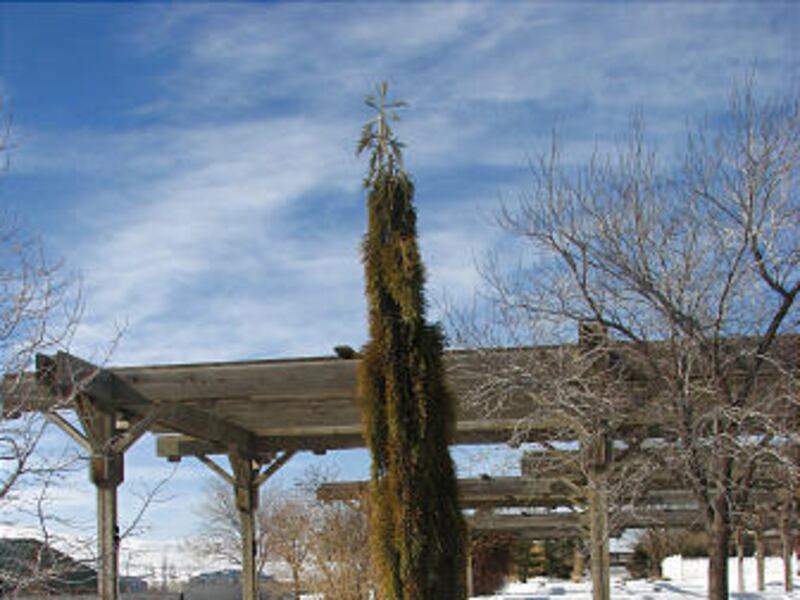
The weeping sequoia is a little more of a gamble to grow here. It offers a dramatic silhouette in the winter garden. Winter cold often causes the foliage to brown, so only plant this one in protected, warmer valley locations.
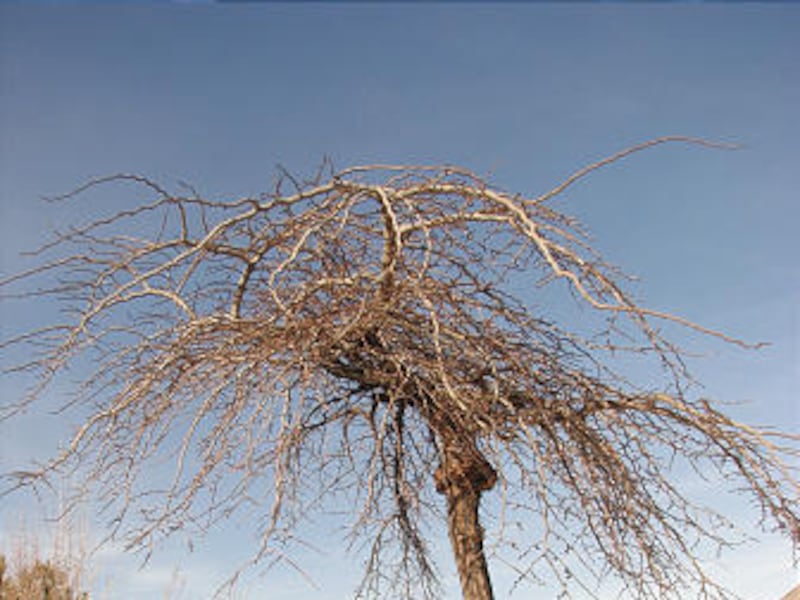
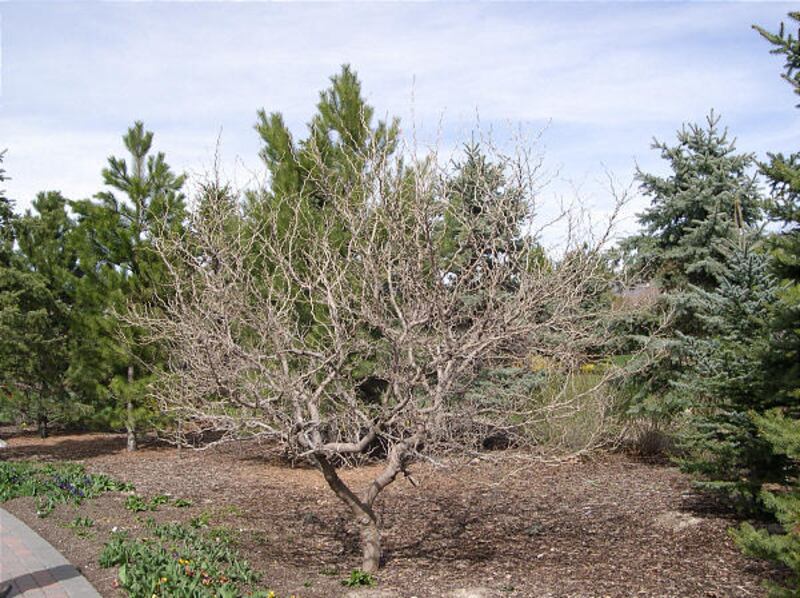
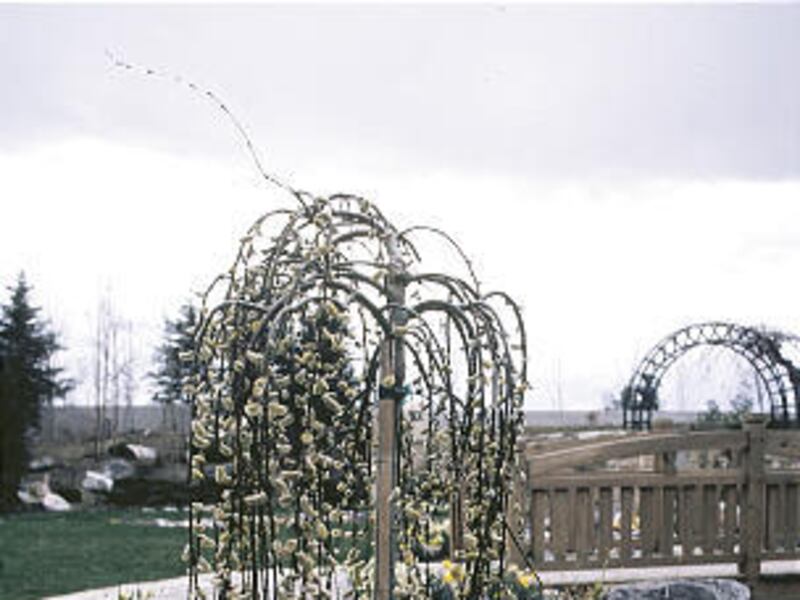
Not to be outdone are some of the weeping deciduous plants. Weeping mulberry is readily available and forms an umbrella shape. The Camperdown elm also has a great winter silhouette. Weeping Siberian pea shrubs and pussy willows are also great additions of smaller plants.
Don't overlook some of the great new crabapples. These are particularly interesting in the early winter, as they are often covered with persistent fruit. By now, the birds have likely eaten all of the fruit, but the bare branches are still interesting.
Weeping types include "Molten Lava," which grows 8 to10 feet high with yellow-orange fruits. "Red Jade" has red fruits with a similar height.
"Mary Potter" grows to 15 feet and also has interesting exfoliating bark, and White Cascade has small yellow fruits on a 10- to 15-foot tree.
Weeping cherries also have significant winter interest. While they have no fruit, many have red bark. Weeping Higan cherry trees grow 20 to 30 feet high and spread to 15 to 25 feet, while Snow Fountains get 8 to15 feet high, with a 6- to 8-foot spread.
Weeping birches, beeches and many other plants also have interesting winter shapes. For something larger, consider the weeping willow. It is a very large tree and will outgrow residential yards, but it has showy golden twigs in late winter. It has a tendency to break down in storms, so place it carefully in the landscape.
If you want to add a new twist to your landscape, consider the contorted trees. I almost feel sorry for some of these, as part of their Latin name is "tortuosa," meaning tortured.
With the conifers, there are myriad twisted or contorted forms. Most of the ones mentioned above have contorted forms. These are not available everywhere, but if you are looking for some unusual forms, they are worth finding.
One common tree is the curly willow, which has twisted green or gold branches.
It is not the most desirable tree because, like all willows, it is a weak, soft-wooded tree. If it is pruned back regularly and trained as a shrub, it is much more manageable.
The black locust grows well here if you control the borers. There are several cultivars that have dramatic branch patterns. "Tortuosa" can grow to 40 feet, while "Twisty Baby" is a dwarf plant that will be less than 10 feet tall when mature.
Contorted flowering quince is a great shrub that grows to about 5 feet tall. It has twisted branches and blooms in the late winter/early spring before the leaves come out. It is cold hardy and tolerant of most soil types.
Contorted hawthorns are also available. The Flexuosa cultivar has twisted branches and is usually grafted onto a trunk to create a tree form. It has pink spring blooms.
If you want something that is heat and drought tolerant, consider one of the prostrate types that are grafted onto a taller trunk or stem.
These are quite striking as the foliage cascades against the winter snow.
For those who want an interesting contorted grass-like plants, consider one of the contorted rushes. This is a great plant for growing around a pond or in a moist area.
Add some of these plants to make your winter garden more interesting.
When planting them, consider where they can be placed for their maximum winter interest. They make excellent focal points or accents and, above all, they add so much to the dismal gray season.
Larry A. Sagers is a horticulture specialist for the Utah State University Extension Service at Thanksgiving Point.