


Ask a Mormon to describe his or her favorite comedian's humor and you're bound to hear the phrase "really clean" at least once.
"Clean" is usually requisite for LDS audiences, but for some Mormon comics, being clean isn't so much a concerted effort as it is an inherent part of their humor. It's not about taking a vulgar routine and consciously cutting out all the lowbrow material.
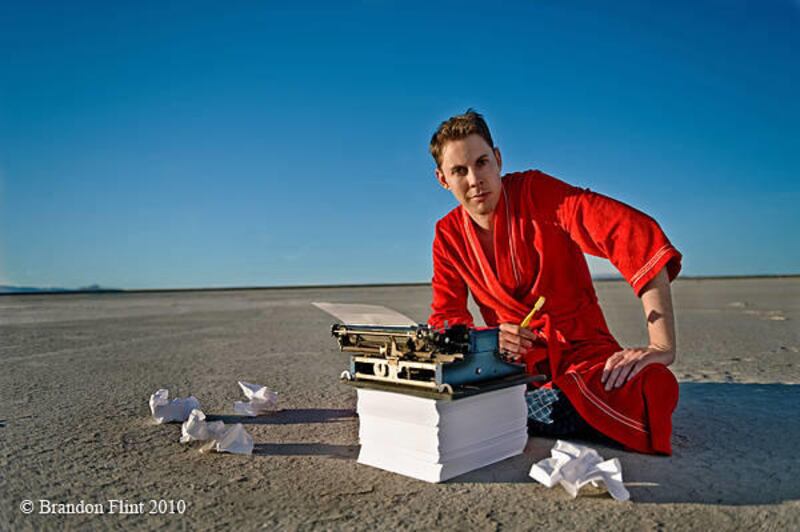
For comedians like Ryan Hamilton, a comic from Idaho now living and performing in New York City, being clean is as simple as telling the jokes he finds funny.
Hamilton, who was a semifinalist on NBC's "Last Comic Standing," said he tries to be authentic and true to himself when he comes up with his mix of observational, energized comedy.
"For me, it doesn't feel like I'm changing myself as a person, or making concessions. … I talk about whatever I think is funny," he said. "I don't think of a (vulgar) joke and go 'Oh, I can't do that.' … It just doesn't come up when I'm writing."
Hamilton has opened for Jay Leno
and in 2008 was named one of five comics to watch by Rolling Stone magazine.
The Ricks College and BYU graduate said making people laugh is challenging whether a comic is dirty or clean, but some audiences go to clubs expecting to be shocked, and when they aren't, they might be disappointed.
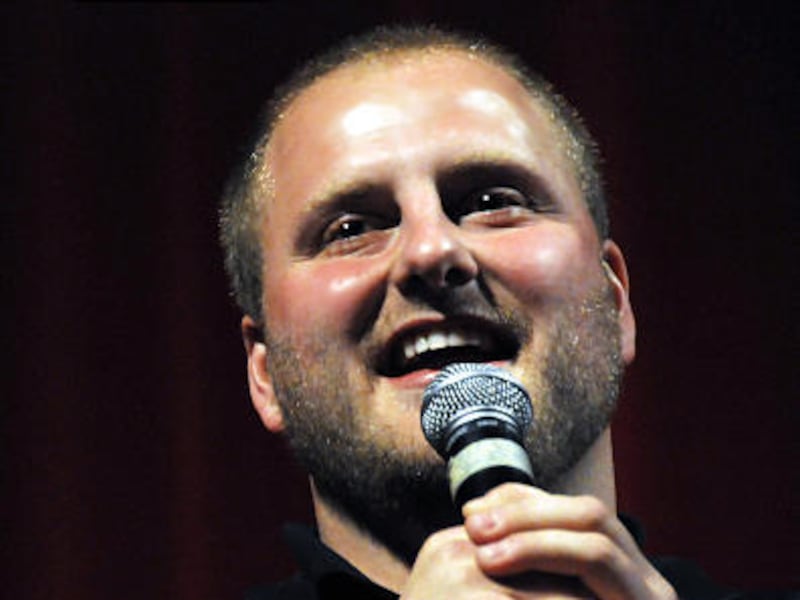
Keith Stubbs has been in the comedy business full time since 1991, first as a touring comedian, and now as a radio show host and owner of the comedy clubs "Wiseguys" in Utah. Stubbs says he is certain that it's more difficult to humor audiences without profanity or vulgarity.
"From my experience, it's a lot harder to make people laugh being clean," he said. "I believe that there are certain words that you can say and certain subjects you can broach that will make people laugh. And they may laugh at first because they're uncomfortable, but they will laugh. … (Being clean) forces you to be more creative. … You have to be more demonstrative."
That's not to say that all clean comedians are funny.
"Just because they're clean doesn't mean they're funny," Stubbs said.
Hamilton also noted that in the LDS market, members are sometimes so desperate for wholesome entertainment, they'll take what they can get, even if it's bland.
"I understand where people are coming from. They don't want things in their homes that make them uncomfortable, but I also think that there's a higher level of stuff artistically that's available," he said. "My hope is that as time goes on, the Mormon market becomes a little more discriminating. … Although it might require more searching, there's so much out there that fits within our standards that isn't necessarily produced by Mormons for Mormons."
Whether comedians are Mormon or not, their reasons for being clean are as varied as their punch lines.
Hamilton said his reasoning isn't so much a moral decision as it is a matter of authenticity. He said he doesn't just want to be clean, though. He wants to do comedy that leaves people feeling lighter than when they arrived, as opposed to the negative, heavy mood that lingers long after a pessimistic or cynical comedian leaves the stage.
"You can go to a show and laugh a lot and come out feeling heavy because even though what the comic is talking about might be super funny, it can still have a heavy tone," he said. "You can cry laughing and come out of the show feeling, 'Whew, I kind of feel sorry for that guy's life. His life is really hard, and boy, there are a lot of problems in the world.' … And even though there is an important place for that in comedy, I've just kind of made a decision that I want people to laugh a lot and come out feeling good."
Stubbs said being clean for him is all about his family. He has four young children and doesn't want to do anything to embarrass himself or them.
"For me, I want to be able to do a show that my kids can go see. I don't want to have to hustle my kids out of the room," he said. "I want them to know what I do."
It's not that his comedy is geared toward children, but he does want it to be safe for children.
"It's not 'The Wiggles,' " he said, referring to a children's TV show, "but I don't want my son who is 10 now to sit there and be embarrassed that this is what his dad does for a living."
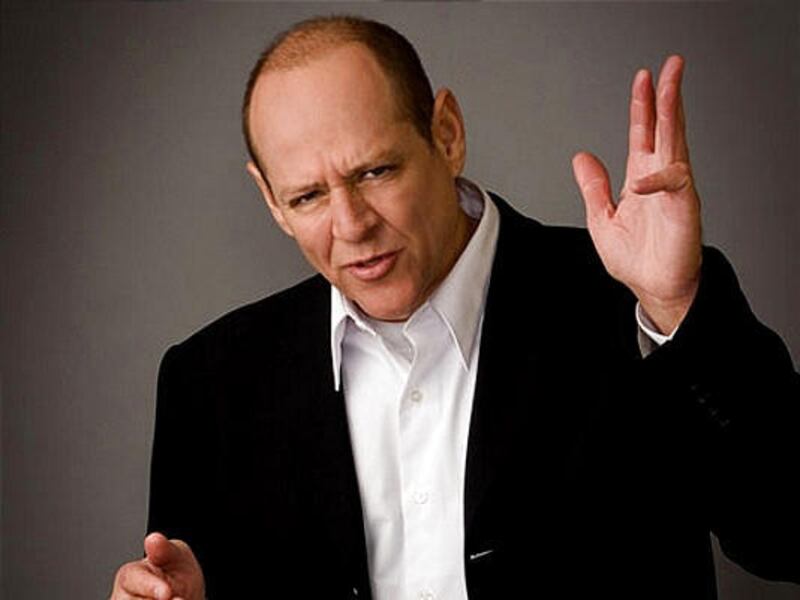
Ricky Hacking, originally from Washington state, put himself through college by performing comedy in his university town, and still performs as a hobby. He said that primarily, he does clean comedy for the challenge it presents. And even though he doesn't bring his faith into his stand-up, he knows that people associate him with his religion, and he's very sensitive to that.
"What (I say) as I stand-up in front of people does reflect back upon the (LDS) Church," he said. "And so I try to handle myself as appropriately as possible."
In many ways, being a clean comic can be professionally beneficial, as it's easier to appeal to companies or organizations that throw private events. What's more, people of all ages can attend, so there's a wider potential audience.
And appealing to a large, diverse audience is what really thrills Hamilton, which is why he doesn't want to corner himself as a comedian only Mormons can relate to.
"I want to be a good comedian who happens to be Mormon rather than 'The Mormon Comedian,' " he said. "A lot of comedy, especially observational comedy, is finding something everyone has in common but they've never thought about. But when the group gets smaller, there's a lot more in common, so it's easier. … I feel like for me, it's more important for me and for my art and for my life to be accessible to people who aren't Mormon, and Mormons alike."
That's not to say he doesn't want to appeal to church members, as it's clear that once Mormons find a comic they like, they share his or her YouTube videos and CDs like it's the good news.
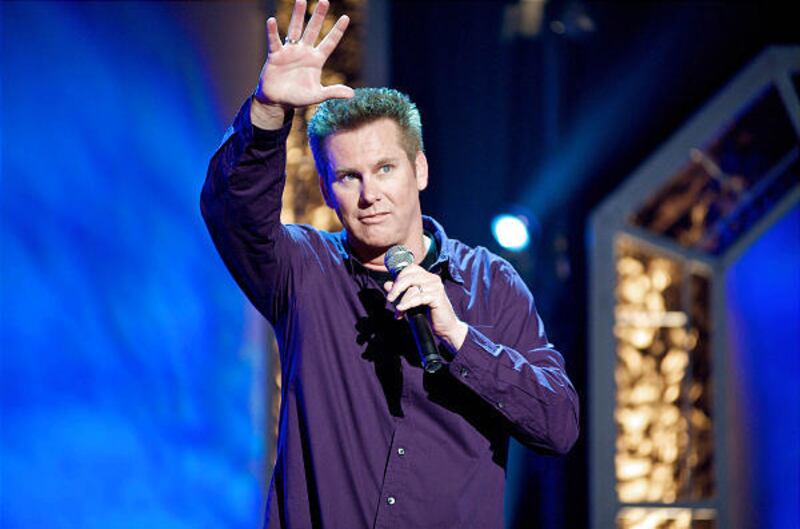
For example, Brian Regan, who isn't LDS, is currently touring the country and has scheduled five shows in Salt Lake this week, no doubt in part due to Mormon college students and local members who love the guy.
"I like anybody who likes me. I'm like a tent. And it's always interesting when young people are interested in clean comedy," Regan said in a recent interview with Deseret News music editor Scott Iwasaki.
Regan sells out concert halls nationwide, and says clean comedy is just the way he likes to work.
"I like to do comedy. And I like to do it my way. It's like Ansel Adams, the photographer who took pictures in black and white. It was his way of doing it. He took pictures of a mountain that many people had taken, but he chose to do it black and white. I chose to do clean comedy."
Hamilton said he doesn't want to be the cleanest comic on stage as much as he wants to be the funniest comic on stage. If anything, he wants people to laugh so hard, they forget he's clean.
"The only time people realize that I'm clean is when I'm on a show with dirty comics. … There are some people who come out to comedy shows hoping to get shocked. But for the most part — 99 percent of the time — if you're funny, that's all they're hoping for," Hamilton said. "And if you're funny enough, they don't even think about you being clean."