


SALT
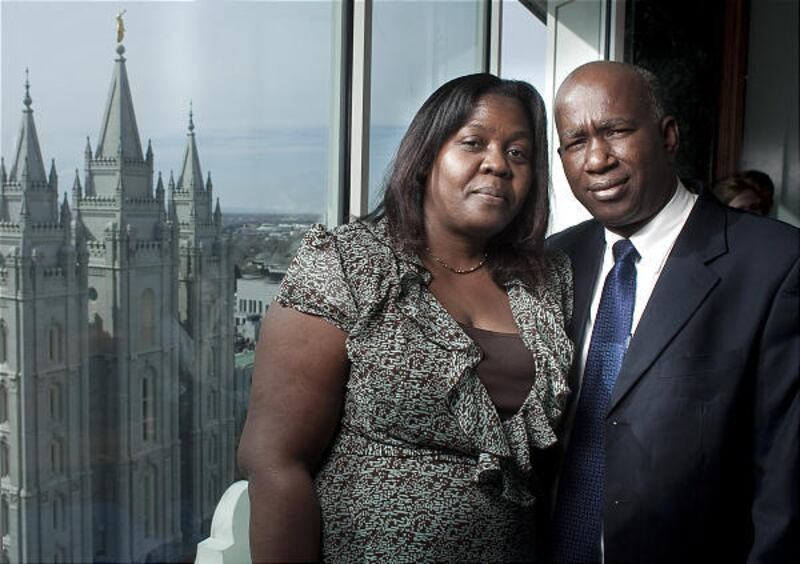
LAKE CITY — It's physically impossible for Ghammald Francillon to be in
more than one place at a time, but his mind and heart understandably
are bouncing from Salt Lake City to Philadelphia to his native Haiti.
__IMAGE1__With
a two-fold LDS Church connection as manager of physical facilities in
the Caribbean nation and president of the Port-au-Prince Haiti North
Stake, the 45-year-old Francillon came to Utah to attend The Church of
Jesus Christ of Latter-day Saints' general conference.
It's his second visit to Salt Lake City, but his first time to touch that cold, white stuff called snow.
Meanwhile,
his thoughts have focused in part on Philadelphia, where his wife and
two young children have been staying with relatives since Haiti's Jan.
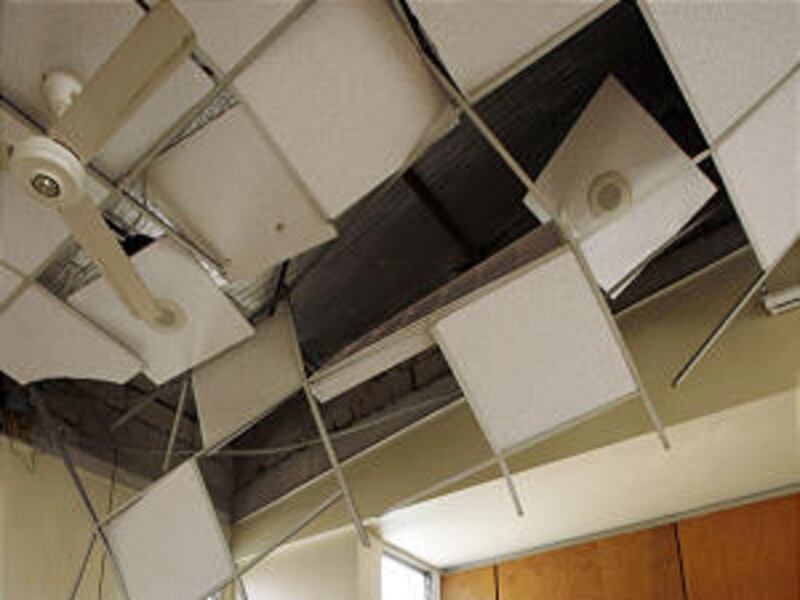
12 earthquake. The devastating, 7.0-magnitude quake left an estimated
quarter of a million dead and hundreds of thousands more homeless and
destitute.
As such, he can't abandon
concerns for the Latter-day Saints in Haiti, less than three months
after the heart-wrenching disaster.
For
his Mormon stake of some 4,000 members (one of two Port-au-Prince stakes),
Francillon reports 23 quake-related deaths, with more than 90 percent
of his members displaced from their homes and living in tents or
temporary shelters or inother outlying cities.
Francillon
is witnessing the resiliency of the Haitian people as they try to
restore a sense of normalcy in their lives. But being mired in the
Western Hemisphere's most impoverished economy makes resiliency
difficult — and self-sufficiency near-impossible.
"Before
the earthquake, it was difficult; you can imagine what it is like now,"
he said. "We need to find something to create hope for them."
With
the exception of the Centrale Ward, the homeless originally staying in
temporary shelters on LDS meetinghouse grounds have since been
relocated elsewhere. The LDS Church continues to provide food and
relief provisions as needed, some members are finding employment
opportunities with international relief organizations helping to
rebuild Haiti, and there's talk about Haiti's government inquiring
about using the meetinghouses to house school classes for children.
When
the Jan. 12 earthquake ambushed Haiti, the people were so unfamiliar
with the nonstop shaking and accompanying horrendous noise that they
instinctively rushed indoors, seeking help.
"This
is one of the reasons we lost so many people," Francillon said. "That
was a big mistake, to go inside the buildings, where they died."
After
the quake, he first made a phone call to the LDS Church's area
presidency in the neighboring Dominican Republic, to apprise them of
the disaster and initiate lines of communication that facilitate
assistance coming from both the D.R. and church headquarters in Salt
Lake City.
His next call was to a
brother in Philadelphia, promptly arranging a flight for his wife and
two children out of Santo Domingo to New York City.
They've
been there since, although his wife, Yanick, joined him in Utah for the
weekend — they'll be flying out together soon to Philadelphia to be
with his children for a few days before he returns to Haiti.
Francillon's
not sure when he'll take his family back to Haiti. For one, the
aftershocks continue — a 4.2 quake hit just a week ago Saturday. And
kidnappings in Port-au-Prince are reportedly back on the rise again.
For
now, he's thinking of leaving the children in the United States through
the school year, although he may bring his wife back to Haiti before
that. "I can have her be with me everywhere I go," said Francillon,
mindful of safety and security concerns. "But I can't do that with the
children."
Haiti's future remains
bleak — not only from the destruction and discouragement left in the
earthquake's wake, but in mismanagement and missteps by several Haitian
government administrations over the years, Francillon said.
"Maybe Haiti will be in the same situation after 10, 20 years," he said. "I don't have much confidence."
Instead, he's focusing his concerns on what can be done within the church units in Haiti and the members.
"I
conserve my efforts for the members and their families," he said,
adding "we don't need to stay and watch. We need to stand up and do
something to improve our lives."
E-mail: taylor@desnews.com