

When I think of the Garden of Eden, I think of silence, the peaceful silence at this beginning of the earth's existence, at the beginning of all things.
Mother Teresa describes it for us: "See how nature — trees, flowers, grass — grows in silence; see the stars, the moon and the sun, how they move in silence — we need silence to be able to touch souls."
Sound in the beginning reflected the harmony of nature and the delight and expectancy of human expression and communication. Surely it was Satan who introduced and encouraged noise, which was reflective of conflict, of anger, corrosion and fear.
"Silence is a source of great strength," Lao Tzu recognized in 600 BC. An old German proverb expresses it a little differently: "Silence is a fence around wisdom."
Is noise pollution a valid danger? And, if so, where and in what way does it invade us? I submit that there are scarcely any places where man is that noise is not.
Traffic noises are, of course, a paramount offender, as are the frequent sounds of construction crews and road projects, of trucks and other large vehicles, motorcycles — even the high screech of lawn mowers, edgers and leaf blowers in the fall. Sirens and loudspeakers are also harmful offenders. But, in my opinion, the worst are telephone hold-lines, elevators, movie theaters, restaurants — from fast foods to the most pricey and sophisticated — in each some sort of sounds, often erroneously called music, blare into our ears. When one stands at an outdoor slot pumping gasoline, a sound system is blasting too loud for conversation, much less for thought. There is an implied insult in the assumption that the company we are with — even our own company, if alone — is not sufficient to occupy us, and must be supplemented by the choice and decision of some arbitrary, outside source.
Consider home appliances: the constant, almost unheard buzz of electricity has its effect. Haven't you noticed the difference when the electricity is down for a few hours? The house feels different because all extraneous sound is suddenly absent.
In study after study, direct links have been discovered between noise and some pretty serious conditions: stress, high blood pressure, sleeplessness — even speech interference and hearing loss. Noise pollution can also cause forgetfulness, depression and panic attacks.
The environment and animal life are likewise impacted. Noisy areas cause a reduction in usable habitat, which becomes a seriously negative factor in the case of endangered species. Some species of whales have literally been killed by noise pollution, beaching themselves after being exposed to the loud sound of military sonar.
European robins now sing more often at night than during the day because the quieter atmosphere allows the message they send to be heard. Zebra finches actually become less faithful to their partners when exposed to traffic noise.
Why do we accept this status quo? Washington Post writer Rick Weiss wrote, "Let me be honest. I don't get along with noise. I see it, or rather hear it, as the essayist Ambrose Bierce did around the turn of the last century: as 'a stench in the ear.'"
Not only our ears, but our minds and spirits are bombarded with discord and ugliness. "Everyday noise is under the radar, yet it affects everyone's life," asserted Louis Hagler, a retired physician in Oakland, Calif., who recently published a review in the Southern Medical Journal of studies linking noise exposure to heath problems. "We don't say to people, 'You just have to learn to live with sewage in your water.' Why should we tolerate sewage coming into our ears?"
What has happened to the "Sounds of Silence"? Are we uncomfortable, even afraid of being alone with our selves? This is a legitimate question to ask. And it brings us to the one environment over which we can exert the most control: the home.
How many of us live and work, read and pray in the privacy of a noise-free home atmosphere? Do we click on the radio or the TV as soon as we walk into the house? Are our tasks done to a backdrop of music or telephone conversations? All of these are distractions from the here and now, from the important moment at hand.
And all this interferes with our ability to think, to perceive promptings of the Spirit — even to look closely — and to notice the needs and feelings, the beauties and points of interest in those we share the same living space with.
"Let us be silent, that we may hear the whisper of the Gods," Emerson said.
We hear more in silence, we feel more in silence, we perceive more in silence. Think of our temples. Think of a quiet grove. Think of moments of prayer. Think of bending over a sleeping child in a softly-darkened room.
Even when we are compatible with others, the absolute silence of aloneness is essential. I remember a gentle night when my husband and I were walking around the summer-dark, silent streets of Nauvoo together. We were entirely in harmony with one another but decided to part and go separate ways, meeting at a designated point in an hour.
I found myself suddenly alone with myriad "other things": my thoughts, my feelings, my sensory impressions — memories of the past, which I could perceive as faint yet powerful realties. I was "one" with something inexplicable, which the silence around and within me had brought forth.
"An inability to stay quiet is one of the most conspicuous failings of mankind," warns Walter Bagehot. Let's guard against it and take control of our environment into our own hands — the quality of our lives. Hopefully we will discover, as Christina Rossetti expressed, that "Silence is more musical than Song."
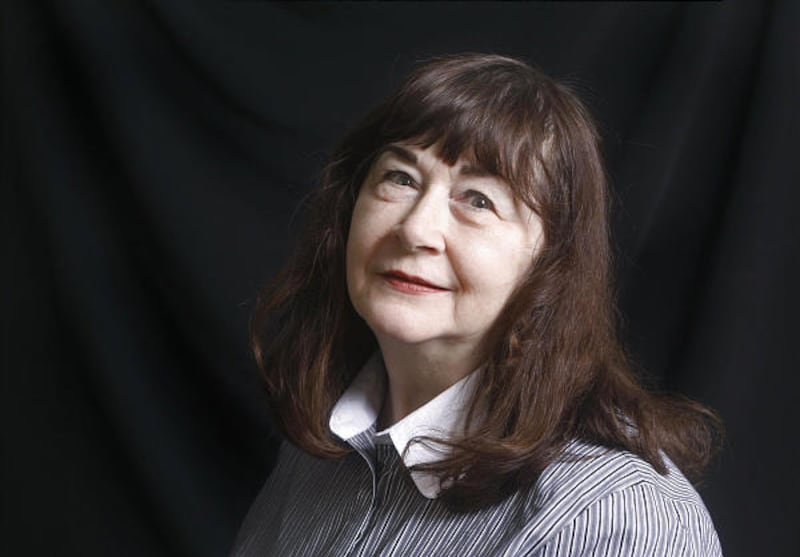
Susan Evans McCloud is the author of more than 40 books and two songs in the LDS hymnbook. Her column, "In Our Lovely Deseret," appears Wednesdays on MormonTimes.com.
More columns online
To read more from Susan Evans McCloud and other regular columnists and bloggers, visit MormonTimes.com.