










LOGAN — If St. George is the Dixie "hot spot" of Utah, then Logan is the pastoral "cool spot," given its northern, mountainous location and agricultural history in the Beehive State.
Agriculturally rich Logan's more than 140-year history has been well chronicled in the Deseret News over the decades.
From the home of a land-grant university, Utah State University, to the gateway to Logan Canyon and Bear Lake, Logan is a strategic and dynamic Utah community.
"A thriving community of nearly 50,000, Logan boasts an exceptionally high quality of life for its size. Nestled in a beautiful valley, Logan offers unmatched vistas and geography," Logan's official website boasts.
The city was named for Ephraim Logan, an early trapper. He first came to the valley in 1824 and attended the nearby Rocky Mountain Rendezvous in 1825. The city of Logan was founded in 1866.
Logan's famous LDS temple was designed by Truman O. Angell, who was also the architect of the Salt Lake Temple. The Logan temple took seven years to build and was dedicated in 1884.
There's also a historic LDS Tabernacle in Logan. For the structure, located at 50 N. Main, construction began in 1865, but it was not completed until 1891, because the temple's construction took priority. The Tabernacle has an eclectic appearance, combining design elements of Greek, Roman, Gothic and Byzantine cultures.
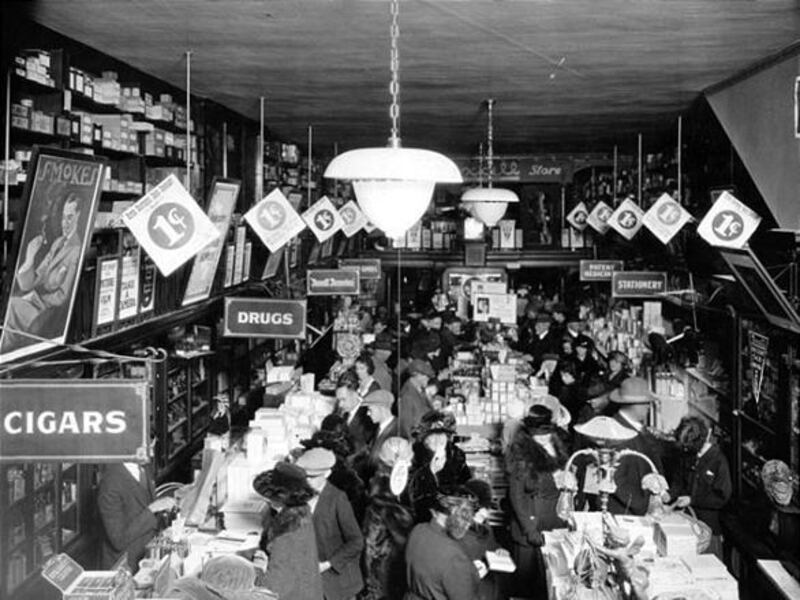
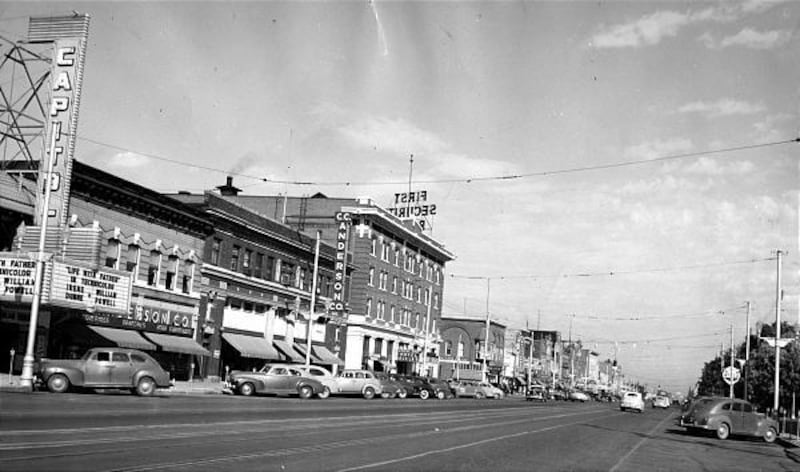
Logan has a rich heritage in its downtown commercial buildings. Many of the structures existed in the horse-and-buggy era and a lot of them have been preserved and are still in use today.
In fact, strolling portions of Logan's Main Street can feel like a step back in time as one walks past many vintage buildings.
The Deseret News archives contain some photographs of Logan's Main Street from the 1940s, showing how busy it was, with almost every parking stall in use.
The city also boasts the Cache Valley Mall, 1300 N. Main St., which opened in 1976. Today it includes Dillard's, JCPenney, Bath & Body Works, Aeropostale, American Eagle, Buckle, Texas Roadhouse, the Olive Garden and more.
The Bluebird Cafe, which dates back to 1914, stands at 19 N. Main. The restaurant has long been a downtown landmark.
Logan also has what the Deseret News referred to 25 years ago as the "unpretentious little Logan Zoo." The zoo, which doesn't fit the standard formula, has been located in Willow Park since 1971.
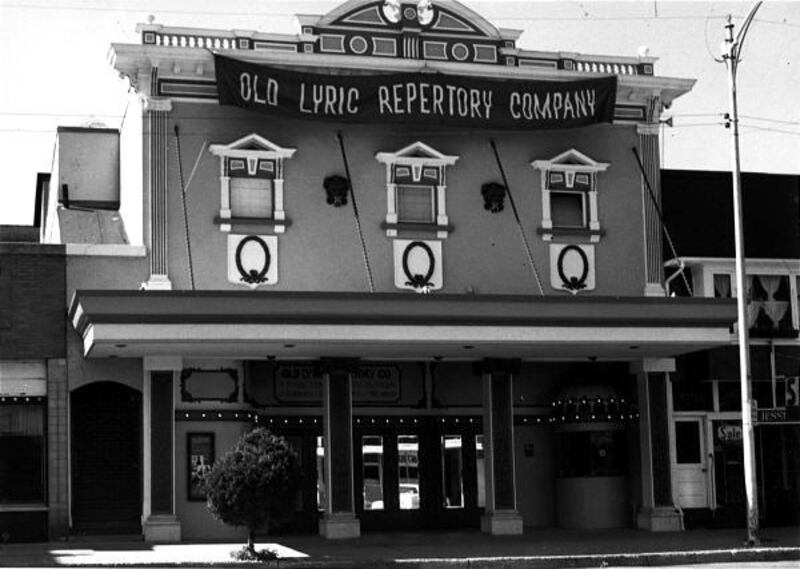
There's also the Logan Capitol Theatre, at 43 S. Main. A cultural gem and center for the arts in town, the theater first opened in 1923. It closed in the mid-1970s but reopened in 1993 after an extensive renovation as the Ellen Eccles Theater, named after a prominent early Logan resident and philanthropist.
Even Logan's cemetery has something unusual — a "tomb of the unknown pioneers," referred to in a 1981 Deseret News story, where 42 unidentified pioneers are buried.
Logan's population grew from 5,451 in 1910 to 22,333 by 1970, when it was listed among Utah's five largest cities. In 2000 it had a population of 42,670, and it's home today to more than 50,000 residents.
The city has also earned some No. 1 national rankings in recent years. For example, it was selected as the safest community in the nation in 2008 by Morgan Quitno Press, a research and publishing company. It was also chosen as Utah's most walkable community in 2009.
It was ranked No. 2 for the lowest unemployment in the nation during 2009 and as the fourth best place to live in the nation, for its offering of the "simple life" in 2009 by AARP Magazine.
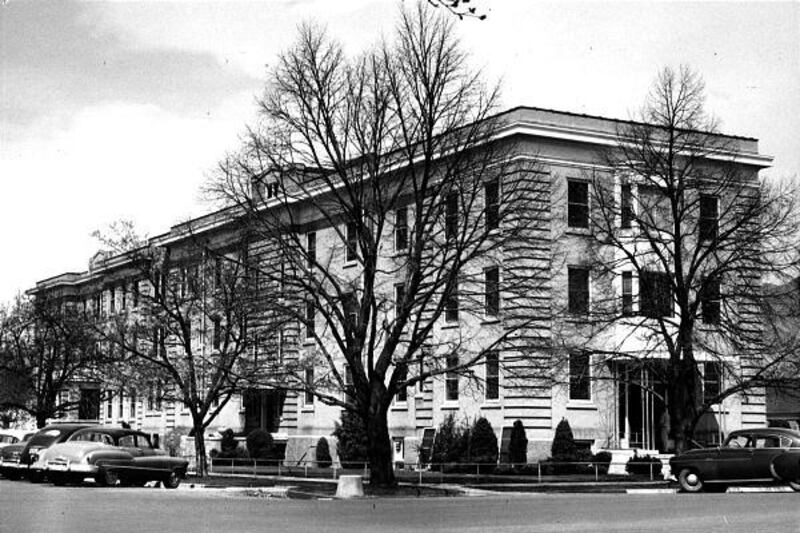
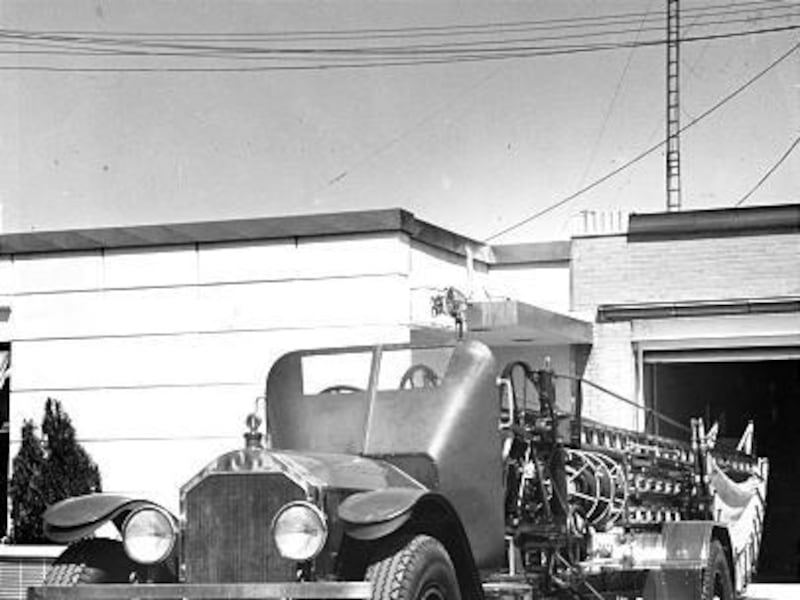
The News' archives include a photo of Logan High's Nibley Hall in 1967 and the Logan LDS Hospital in 1956. There's also a picture of Logan's vintage firetruck, still in use as late as 1963.
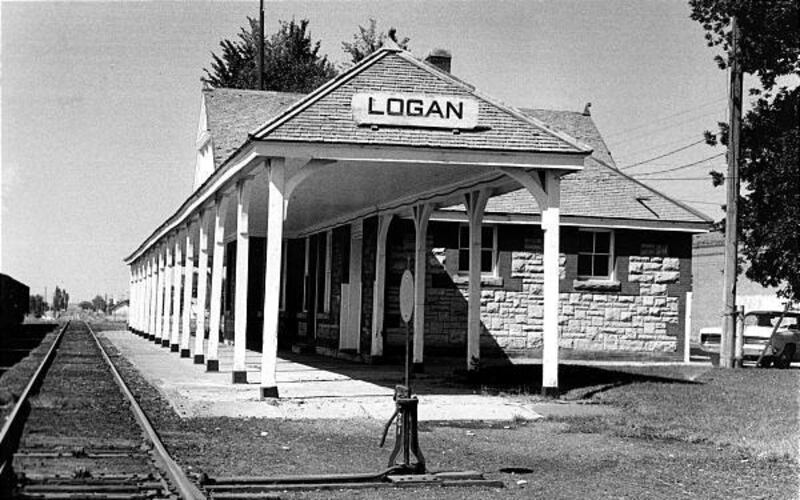
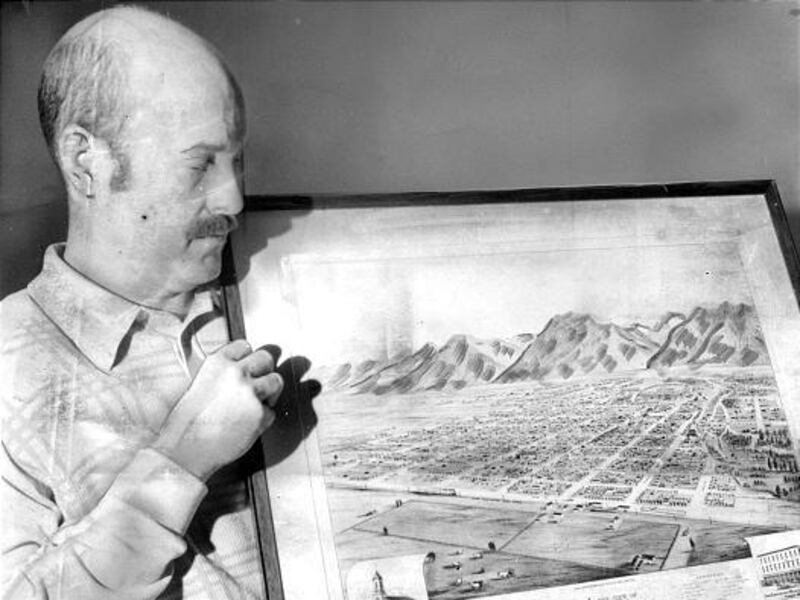
Photo researcher Ron Fox has assembled many photos of Logan from past issues of the newspaper, which can be seen in full by clicking on the photo link.
e-mail: lynn@desnews.com