



SALT LAKE CITY — Start at either end of the arm and you can work your way up or down through a whole lot that can go wrong: rotator-cuff injury, shoulder dislocation, shattered elbow, broken wrist, carpal tunnel syndrome, jammed thumb, so-called "trigger finger." Maladies also include ganglion cysts, abnormal tissue contracture, fractures, cuts and more.
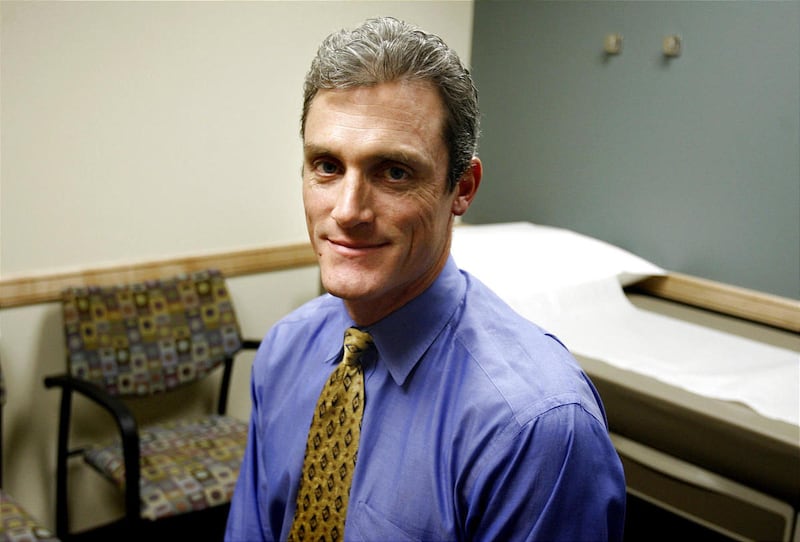
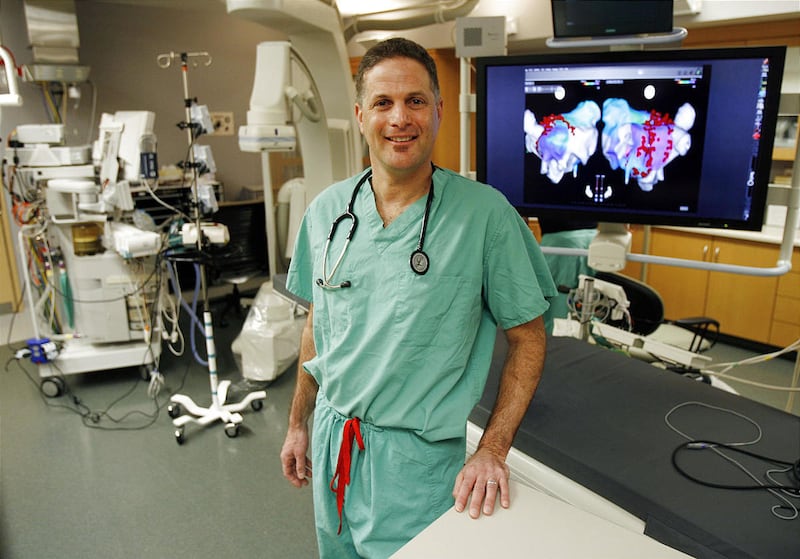
And they're all fodder for Saturday's Deseret News/Intermountain Health Hotline. From 10 a.m. to noon, Dr. Michael Raemisch, orthopedic surgeon specializing in hand and upper-extremity disorders, and Dr. James Gardiner, who specializes in shoulders, will take phoned-in questions. Both doctors are from the LDS Hospital Joint Center. The number for the hotline is 1-800-925-8177, or 801-236-6061 on the Wasatch Front. They'll also answer questions during the hotline on Facebook at www.facebook.com/desnews. If there's a high volume of questions, they'll answer a representative sampling.
Raemisch said he sees a lot of fractures in both the hand and the wrist, nerve impingements in the elbow, irritated tendons and more.
One of the most common conditions, though, is carpal tunnel syndrome, which is basically pressure on the nerve coming through the wrist into the hand. The nerve runs through a thumb-size tunnel called the carpal tunnel, alongside the nine tendons that bend your fingers. Pressure on the nerve can create pain and numbness, and sometimes hand weakness.
In many cases, wearing a Velcro wrist brace at night that holds the hand in a position that relieves the pressure on the nerve is enough to fix the problem. But if the pressure is so severe that there is a loss of feeling in the fingers, there's loss of thumb muscle or the wrist brace is not working any more, surgery may be the best option, he said.
It's not the ordeal it used to be when the incision was several inches long. These days, a procedure may take little time and patients are often home shortly after.
There are two techniques that can be used, and the results are basically the same. In a "limited open" technique, there's an inch-long incision at the base of the palm that can be done when the patient has been numbed with local anesthetic. The second technique, done endoscopically, uses a little incision along the creases just below the palm. Raemisch described it as an "almost inside-out procedure, where the tight strap choking the nerve is cut or released from the inside out."
The two are comparable in results and doctors seem well-divided on which they favor. The big difference is that with the limited open, there are going to be two or three stitches, while the endoscopic method is amenable to having dissolving stitches under the skin.
In most cases, with carpal tunnel repair, the hand and fingers can be used right away, although there may be some tenderness or pain in the palm that can limit hand use. Typically, there's some tenderness around the site of the carpal tunnel for a few weeks. Tasks like driving or writing or using a telephone are simple; it's a lot harder to squeeze objects or force a jar lid off.
Saturday: Fixing the shoulder
e-mail: lois@desnews.com
Health hotline
Saturday the health hotline focuses on shoulder, elbow, wrist and hand pain. From 10 a.m. to noon, Dr. Michael Raemisch, orthopedic surgeon specializing in hand and upper-extremity disorders, and Dr. James Gardiner, an orthopedic surgeon who specializes in shoulders, will take phoned-in questions. The number is 1-800-925-8177 or 801-236-6061 on the Wasatch Front. You can also post questions during that time on the Deseret News Facebook page, www.facebook.com/desnews.