


In its 25 years of existence, Pixar Animation Studios has earned a reputation not only for its innovative use of computer animation, but for carrying on the tradition of excellent storytelling and morally responsible messages.
The following is a list of all 12 feature-length Pixar films and a family-oriented message they teach.
"Toy Story" (1995) — Pixar's groundbreaking first movie (and the first feature-length computer animated film ever made) established a lot of the basic themes the studio has revisited in the last 16 years with its subsequent projects. What might be considered its central message, however, is presented via Woody's personal struggle to come to terms with being "replaced" as his owner's favorite toy — a surprisingly identifiable story that teaches, among other things, the importance of learning to accept change as a natural part of life.
"A Bug's Life" (1998) — Taking inspiration from Akira Kurosawa's 1954 classic "Seven Samurai," "A Bug's Life" tells the story of a misfit ant named Flik who tries to recruit a band of warrior bugs to help defend his colony from oppressive grasshoppers. "A Bug's Life" shows that, although not always easy, people shouldn't be afraid to think for themselves even if others sometimes mock their ideas. As the tyrannical grasshopper leader explains, "Ideas are a very dangerous thing," and it just takes one freethinker like Flik to incite positive change and disrupt the status quo.
"Toy Story 2" (1999) — In both plot and thematic content, "Toy Story 2" picks up where the first film left off. When a rare toy collector steals Woody, the cowboy doll is given a choice that would allow him to avoid the pain of eventually being discarded by his owner Andy. If the message of the first "Toy Story" is that change is inevitable, "Toy Story 2" clarifies it: Even though no good thing lasts forever, you should treasure it as long as it's there.
"Monsters, Inc." (2001) — More than anything, "Monsters, Inc." seems to repeat the trite but true expression, "You can't judge a book by its cover." In a city populated by monsters and powered by children's screams, the scariest monster of them all learns to love a human child and puts everything on the line to protect her.
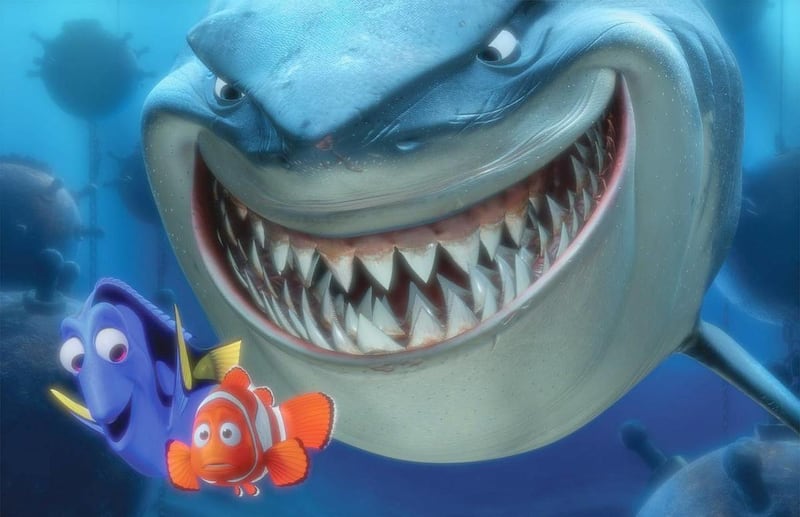
"Finding Nemo" (2003) — After humans abduct his only son Nemo, an overly cautious clownfish named Marlin ventures into the open ocean. Along the way, he learns to let go and trust in those around him, including his son. "Finding Nemo" teaches a principle verbalized elsewhere in Baz Luhrmann's 1992 dance film "Strictly Ballroom" (also set in Australia) that, "A life lived in fear is a life half lived."
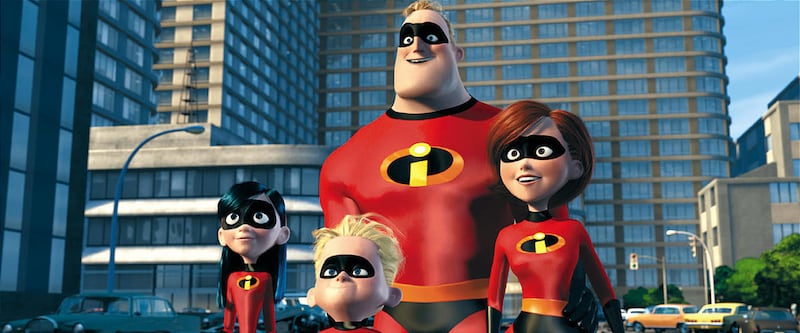
"The Incredibles" (2004) — Pixar's engaging take on super heroes imagines a world in which so-called "supers," including Mr. Incredible and his super-powered wife and kids, have all been forced into hiding thanks to a rash of lawsuits and public backlash.
A nefarious plot to create a world where everyone has powers and no one is special, however, finally gives the entire family an opportunity to use their gifts for good. Amid all the explosive action and homages to James Bond movies, "The Incredibles" also conveys an important message about how we ought to value and use the specific talents we have been given rather than hide them from the world.
"Cars" (2006) — Popular mostly for its fast-paced racing sequences, "Cars" is often underrated as a genuinely heartfelt and morally responsible film. Sidetracked in the podunk town of Radiator Springs prior to the biggest race of his life, racing sensation Lightning McQueen has to learn that there's more to racing than winning. The journey and the friends gained along the way are what really count, not the trophy at the end.
"Ratatouille" (2007) — The basic premise of a rat cooking in a gourmet restaurant may be unappealing to some, but that, as the elitist food critic Anton Ego comes to realize, is not really the point at all. The four-legged, whiskery culinary prodigy Remy proves through his dedication to his dream that "not everyone can become a great artist, but a great artist can come from anywhere." In broader terms, one's background does not determine one's potential.
"Wall-E" (2008) — Set 700 years after humankind's accumulated garbage has made Earth inhospitable to all life aside from cockroaches, "Wall-E" is, at its core, a cautionary tale. The hypothetical future of the human race is presented in an exaggerated manner and with a healthy dose of classic Pixar humor, but "Wall-E" still functions remarkably well as a reminder of individual responsibility and a warning against complacency. "Wall-E" conveys the importance of not taking things for granted, including the natural resources we have on this planet.
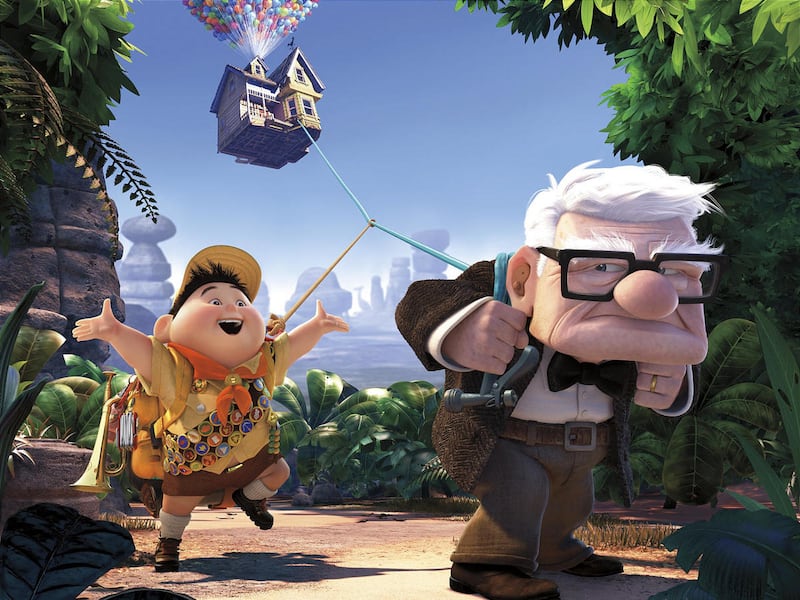
"Up" (2009) — Seventy-eight-year-old Carl Fredricksen tries to honor a promise he made to his deceased wife by attaching thousands of balloons to his house and flying it to South America. The odd assortment of characters he meets en route, however, challenge his single-minded commitment to the goal. Gradually, Mr. Fredricksen learns that it is the relationships we share with others that makes life meaningful.
"Toy Story 3" (2010) — The most recent feature-length adventure involving Woody, Buzz, and the rest of the gang finally tackles the question implied in the first two films: What happens to Andy's toys once he has grown up and moved on? From this, "Toy Story 3" teaches the selfless lesson that the deepest joy comes from sharing the things that make one happy with others who will appreciate them.
"Cars 2" (2011) — Not surprisingly, "Cars 2" is, in spite of its poor critical reception, no different from other Pixar movies in the way it manages to convey a valuable principle while still being entertaining for both kids and adults. Mater the tow truck's globe-trotting adventures may not feel quite as substantive as some Pixar films, but "Cars 2" contains a good message nonetheless. Friendship involves accepting friends for who they are, not demanding that they change at your convenience.
Jeffrey Peterson is a native of Utah Valley and a devoted cinephile. He is currently studying humanities and history at BYU.