


SALT LAKE CITY — Medical bills and dealing with a complicated health care system can be overwhelming, but most hospitals and clinics offer some sort of financial assistance or payment program to help.
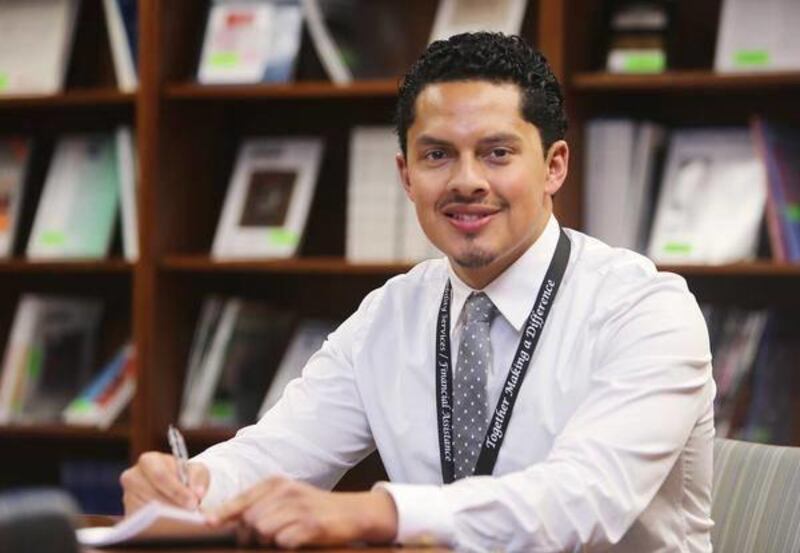
"It doesn't have to cause undue stress," said George Knudsen, a financial assistance eligibility specialist with Intermountain Healthcare. His job is to exhaust all available state- and federally-funded programs, as well as in-house charity services before turning anyone away.
For Intermountain, he said, it is better for the organization to offer charity care to patients unable to pay than to write the charges off as bad debt.
Based on a person's income and household size, Intermountain can determine a person's ability to pay their medical bills. If funds are not available, financial assistance is an option. In 2012, Intermountain wrote off more than $252 million in charity care for 239,195 patients, according to its annual report.
Doctors, however, must first declare the necessity of a procedure before a patient can apply for assistance, Knudsen said.
"It's amazing how many people aren't aware of the resources available to them in their community," said Alberto Calderon, also a financial assistance specialist with Intermountain. He and Knudsen took questions from the public during the Deseret News/Intermountain Healthcare Health Hotline on Saturday.
Callers and those who posted questions online presented unique financial situations and were given suggestions for various outlets to obtain the medical care they desired, or to resolve bills already incurred.
"Unfortunately, there are some we are unable to help," Knudsen said, adding that if the service is not an emergency or a person just doesn't want to pay, they are usually out of luck. Resources are often reserved for emergencies and dire circumstances.
Overall, however, he said, "most people hate not being able to pay" and billing issues can be resolved over a number of years with an individual payment plan.
Medicaid, too, is often an option for individuals and families that may not have considered the program. It can also be used as secondary insurance for families meeting the income guidelines.
For individuals seeking non-emergent medical care, there are a variety of clinics located in communities throughout the state that offer free or low-cost health care. A list of those available in the Salt Lake Valley can be found online, at www.slvhealth.org/html/medicalresources/html.
In addition to low-to-no-cost health and dental resources, the state also provides a hotline for individuals seeking information about emergency food pantries, utilities assistance, child care and youth resources, government services, tax assistance, legal aid, behavioral and substance abuse and more, by calling 211 from any telephone.
To contact Intermountain's financial assistance office, call 1-800-442-1479. Financial assistance and eligibility specialists are available at most Intermountain hospitals located in large communities.
Email: wleonard@deseretnews.com, Twitter: wendyleonards