




The 2002 Winter Olympics, Mitt Romney’s presidential campaigns and even the Broadway musical "The Book of Mormon" all contributed to what many called “The Mormon Moment.”
Through it all, The Church of Jesus Christ of Latter-day Saints has tried to keep pace with its publicity, using everything from viral videos to sponsored ads in Broadway playbills to ensure people can get their message straight from the source.
But now, the Mormons are ready to tell their story in an unprecedented fashion.
“Meet the Mormons” is a 78-minute documentary that profiles six members of the LDS Church from around the globe. It opens Friday in 316 theaters in the United States.
Produced by the church itself, its message is simple: You’ve heard what popular culture has to say about us, now let us tell you our own story.
The project resembles the “I’m a Mormon” campaign, a series of church-produced, two- to three-minute videos that highlight prominent Mormons, including The Killers lead singer Brandon Flowers and former CBS "Early Show" host Jane Clayson, as well as more rank-and-file examples of church membership.
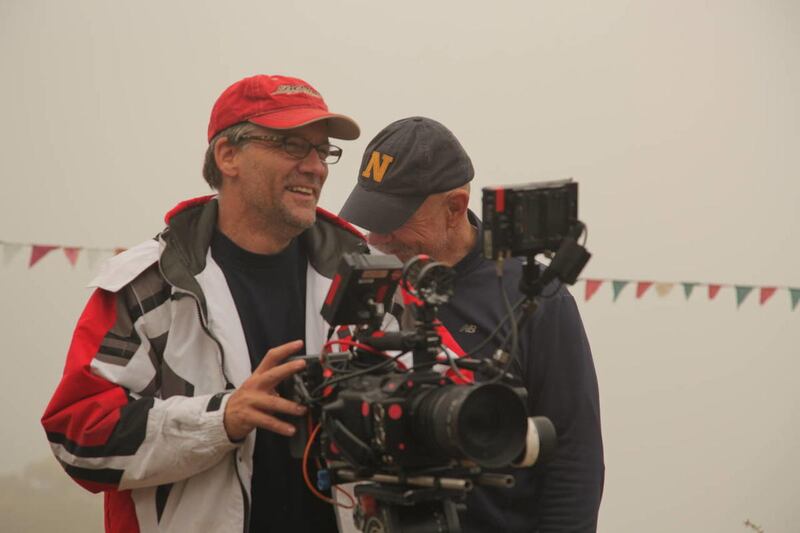
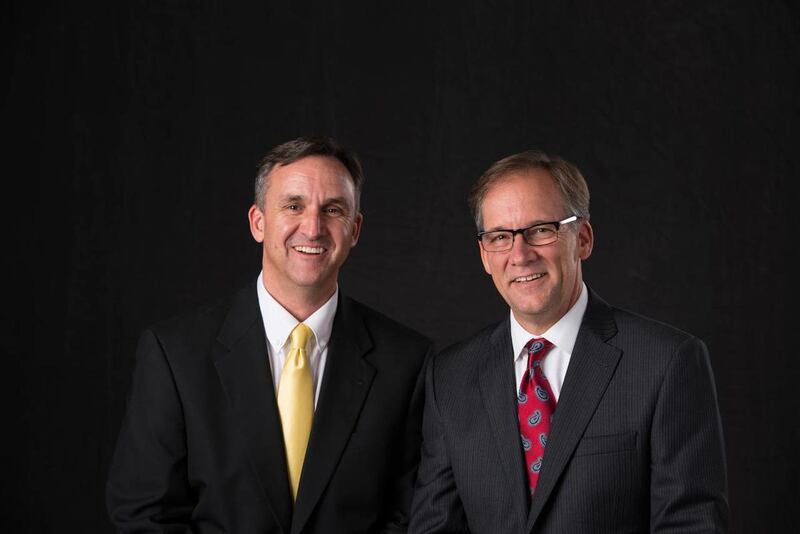
“I’ve kind of joked it’s ‘I’m a Mormon’ on steroids,” said Blair Treu, the California-raised Mormon who directed the film. “Instead of two to three minutes, we have 10 to 12, 13 minutes per story to get into a little more depth.”
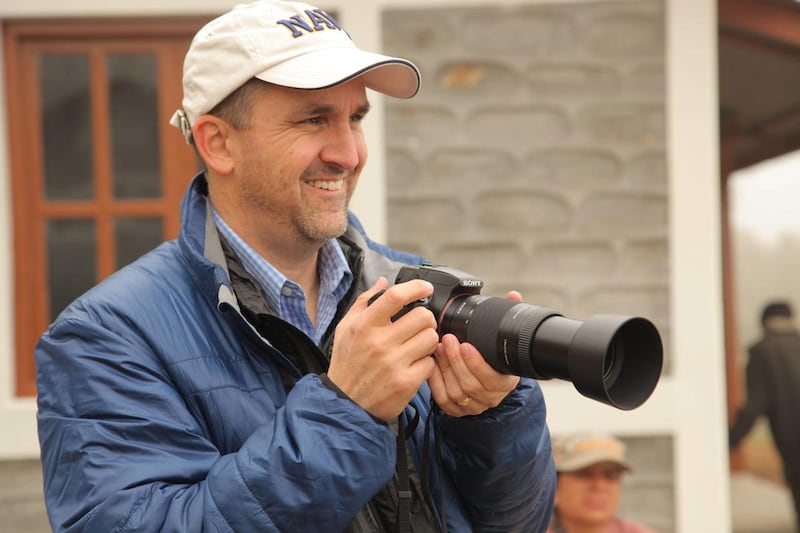
According to producer Jeff Roberts, this new effort is meant to go beyond the objective of the viral campaign and explore the motivations behind LDS behavior.
“The intent was to dig a little bit deeper and be able to show these people in a very realistic and authentic way,” Roberts said. “And based on audience reaction so far, it seems we have been able to do that.”
The film is hosted by Jenna Kim Jones, an energetic comedian who worked at Comedy Central's "The Daily Show" in New York before relocating to California. She opens the film amid the chaos of Times Square, assuring us that “Meet the Mormons” is not a film about LDS beliefs so much as it is a portrait of the people who live them.
Next, Jones introduces a humorous montage of television and film clips that reference Mormon doctrine and culture, and a series of man-on-the-street interviews that suggest many people are still unfamiliar with the Utah-based faith.
“The montage at the front was very deliberate,” Treu said. “It was an acknowledgment to the world to say, ‘OK, this is who you think we are. We don’t blame you, because this is what you’ve been fed by pop culture. But guess what? That’s OK. We’re not going to get mad at you; in fact, we’ll even have a laugh with you. But if you want to learn a little bit more about who we really are, why don’t you go to the source?’ ”
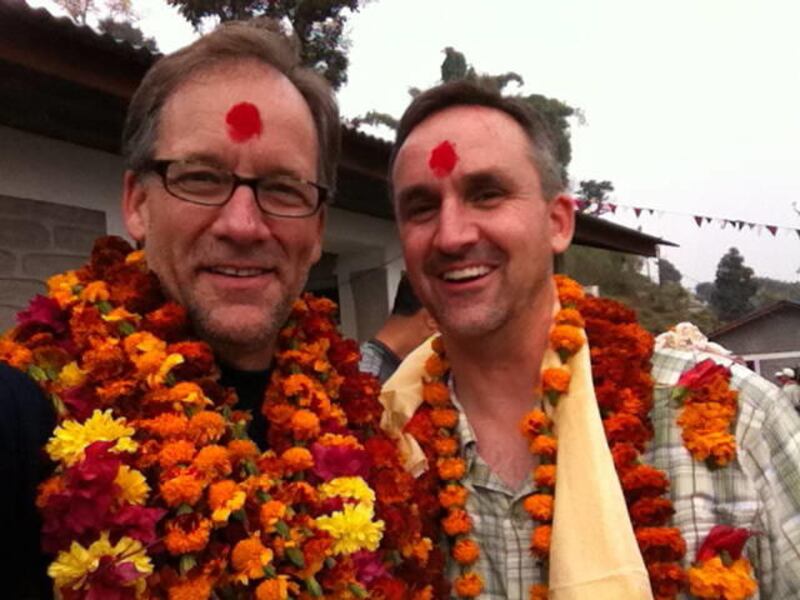
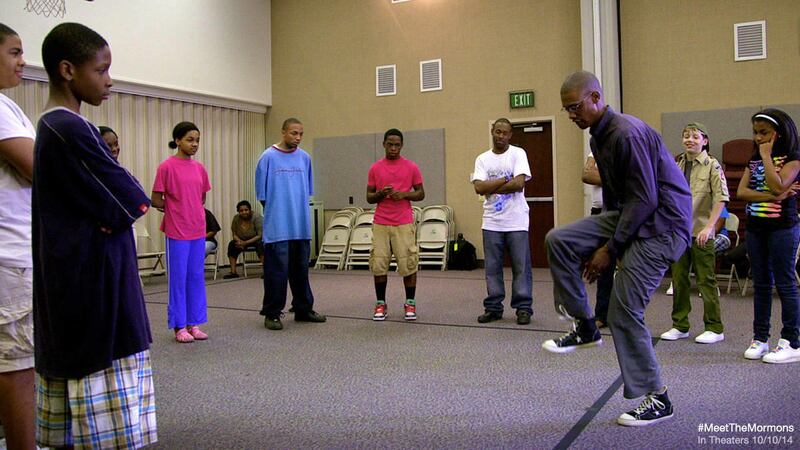
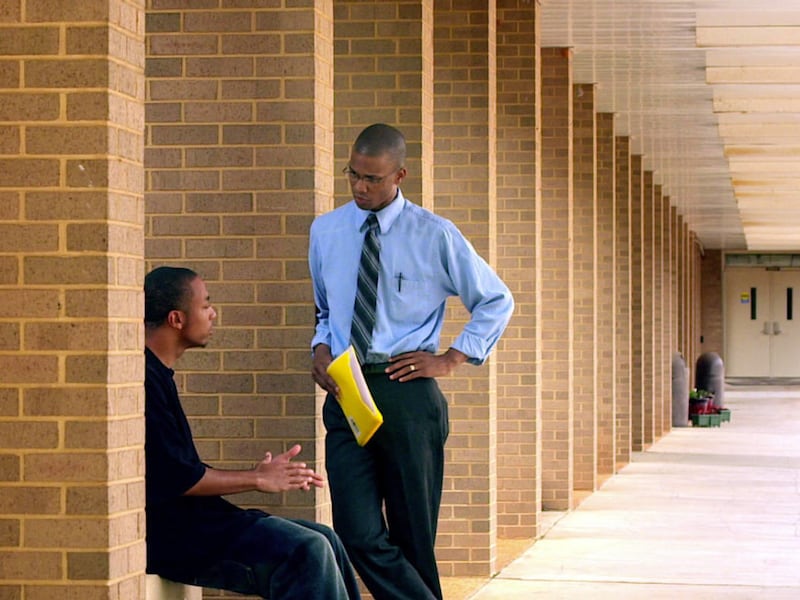
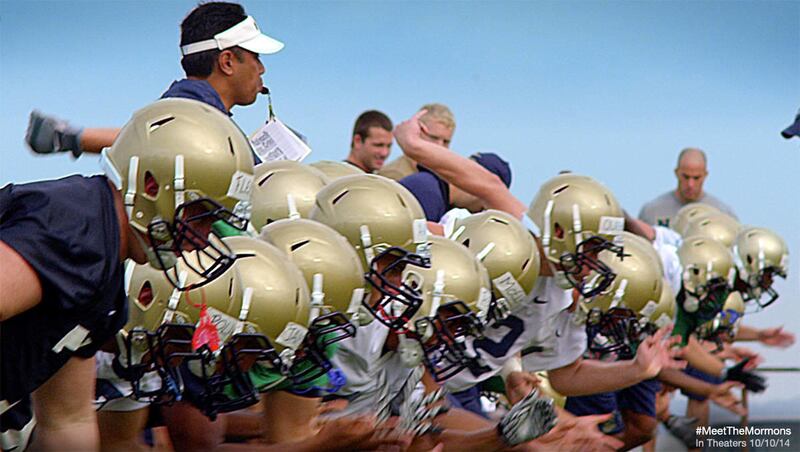
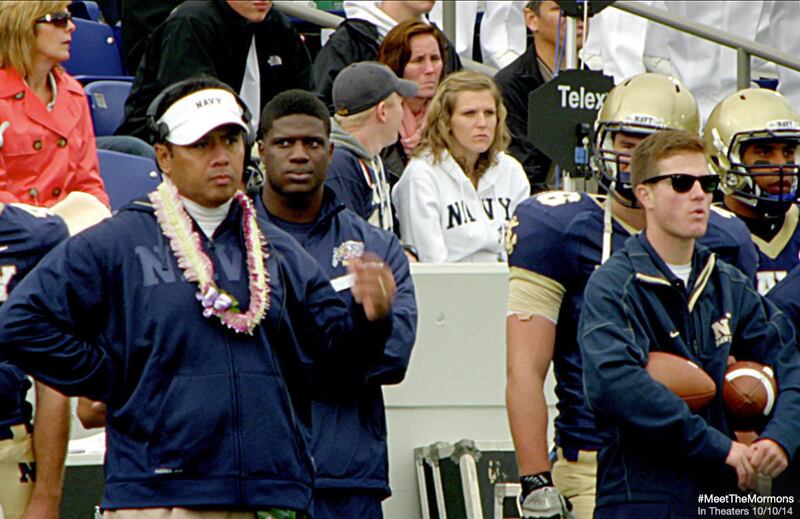
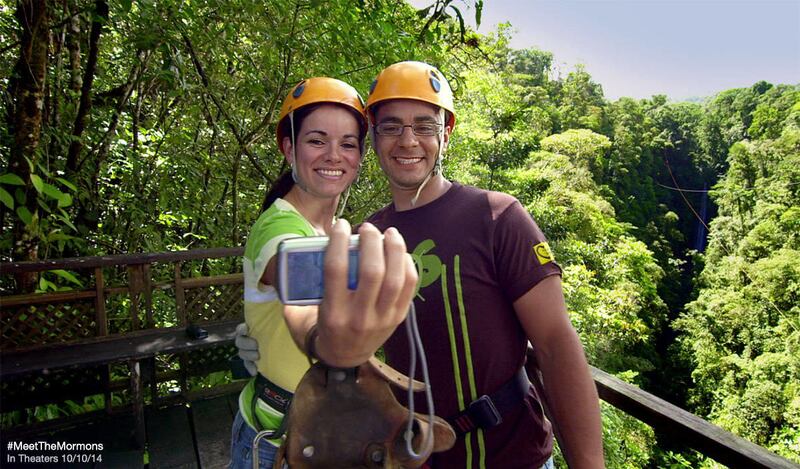
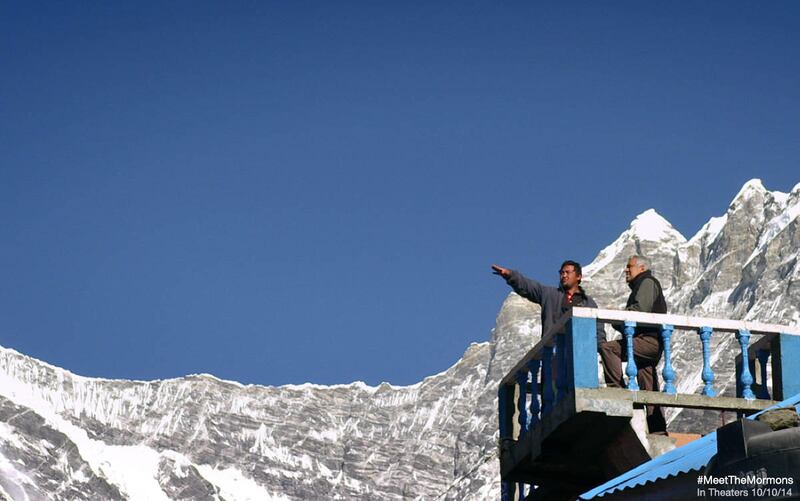
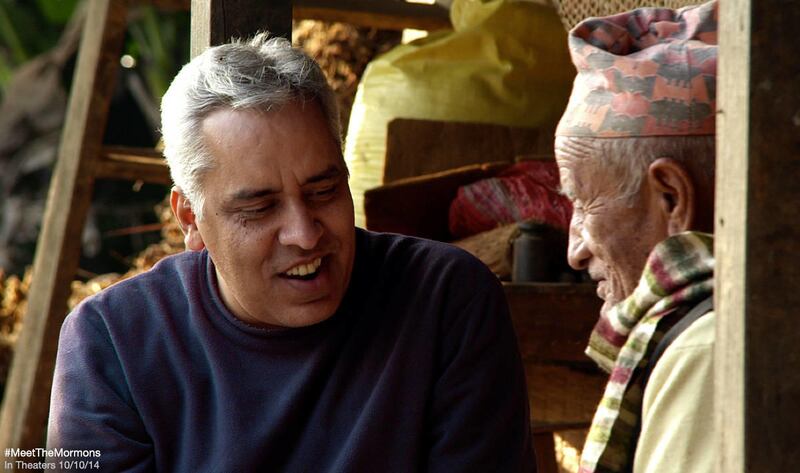
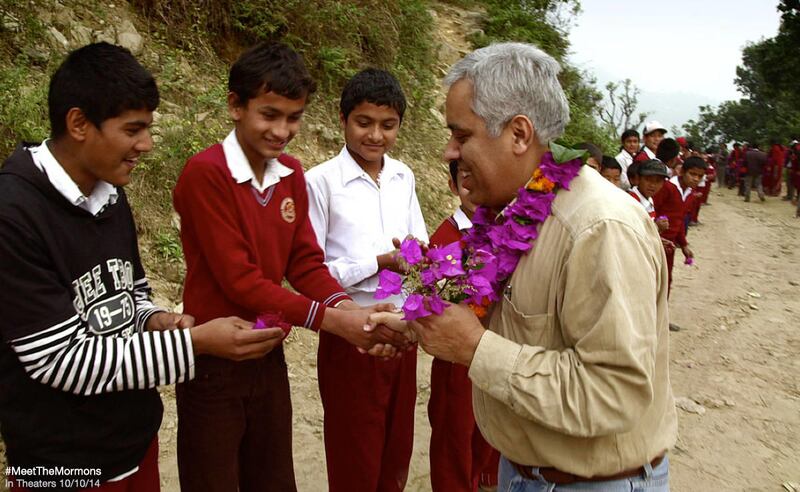
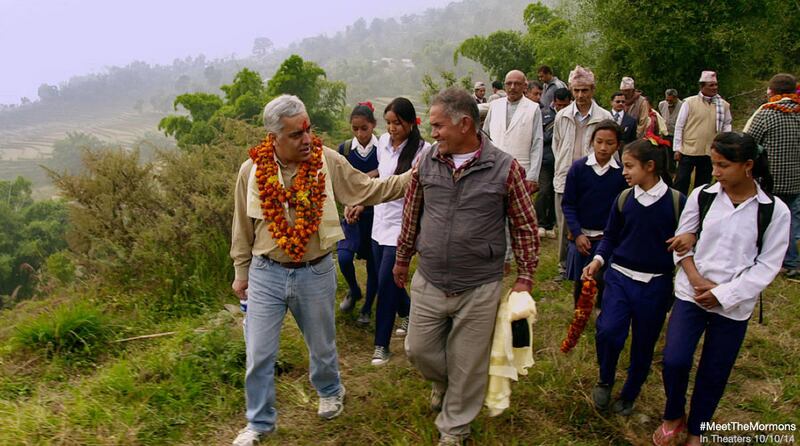
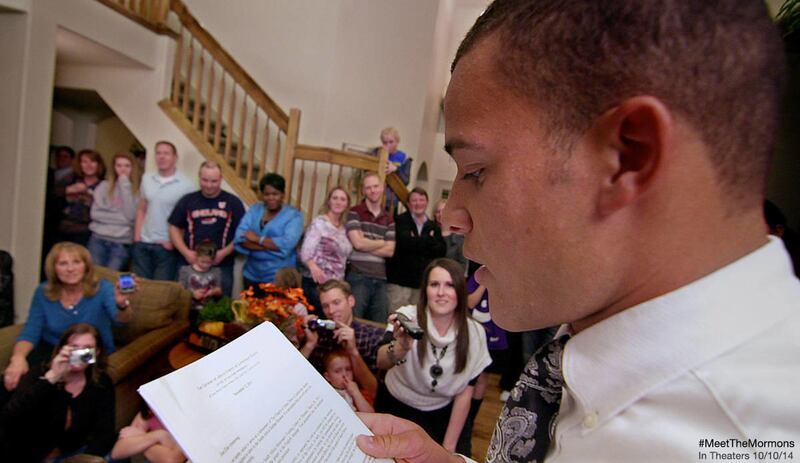
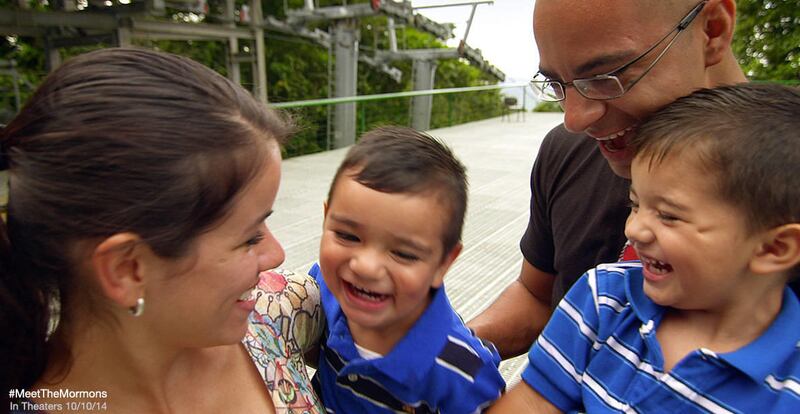
“Going to the source” means six featurettes on LDS Church members, starting with Jermaine Sullivan, an academic counselor in Atlanta who serves as the bishop of his ward. Over the next hour, the documentary also profiles Ken Niumatalolo, head football coach at the Naval Academy; Carolina Muñoz Marin, a successful kickboxer in Costa Rica; and Bishnu Adhikari, an engineer who spearheads humanitarian projects throughout the Himalayan mountains.
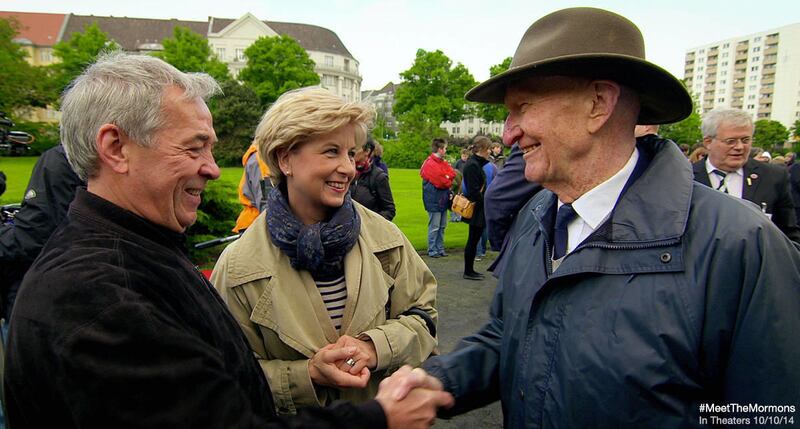
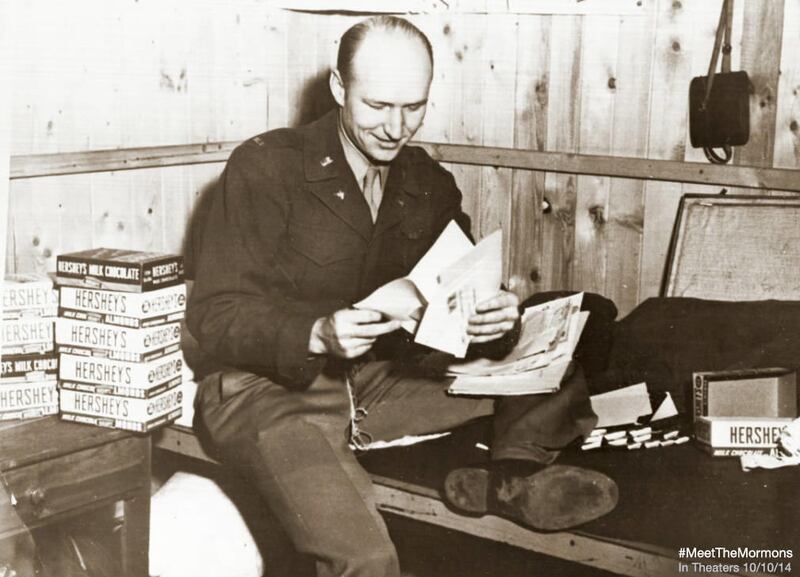
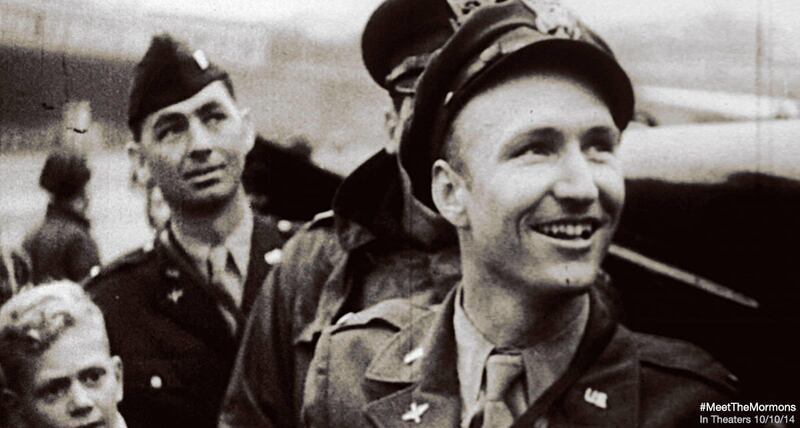
The effort avoids big-name Mormon "celebrities” like Flowers and Romney, except perhaps in the case of 92-year-old Gail Halvorsen, the famous “Candy Bomber” who dropped candy to children in West Berlin during the Berlin Airlift.
"Meet the Mormons" took three years to complete, and at a fraction of other church production budgets, according to Treu.
“We were casting and shooting all at the same time,” said Treu, lamenting the burden that put on his producer. “Bless his heart, (Roberts) just went with it.”
According to Treu, church leadership was hands-off when it came to the film’s production.
“They didn’t tell us who to shoot, where to shoot, what to shoot, ever,” Treu said.
“Meet the Mormons” was originally intended for the Legacy Theater, a single-screen venue in downtown Salt Lake City that has featured church-produced films such as the dramatized biography of church founder Joseph Smith and “Legacy,” a dramatization of the Mormon pioneer trek to the Salt Lake Valley.
But positive feedback from non-LDS attendees at pre-screenings across the country suggested that an exclusive run at the Legacy Theater might sell the film short.
“A very high percentage of non-members that we’ve polled said they would recommend this film to their friends,” Treu said.
Not that increased exposure will lead to a financial windfall. According to the director, once the theaters take their cut, all additional proceeds will go straight to the American Red Cross.
“Every dime,” Treu said. “In fact, the church isn’t even going to recover its production costs.”
The selection of the subjects for "Meet the Mormons" implies awareness of the stereotypes many hold for Mormon culture, and Treu had some specific ideas in mind when it came to who they should profile.
“Because the church is worldwide,” said Treu, “we first wanted there to be a diversity in terms of a good ethnic mix.”
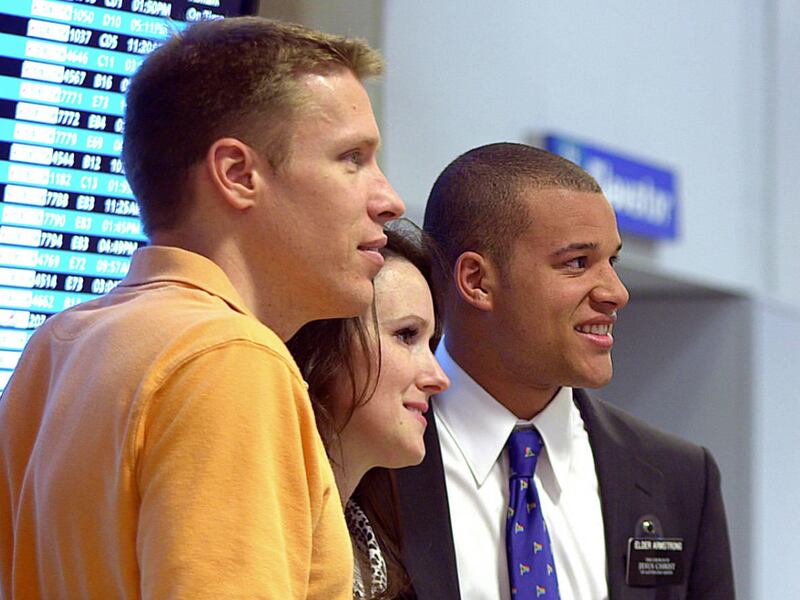
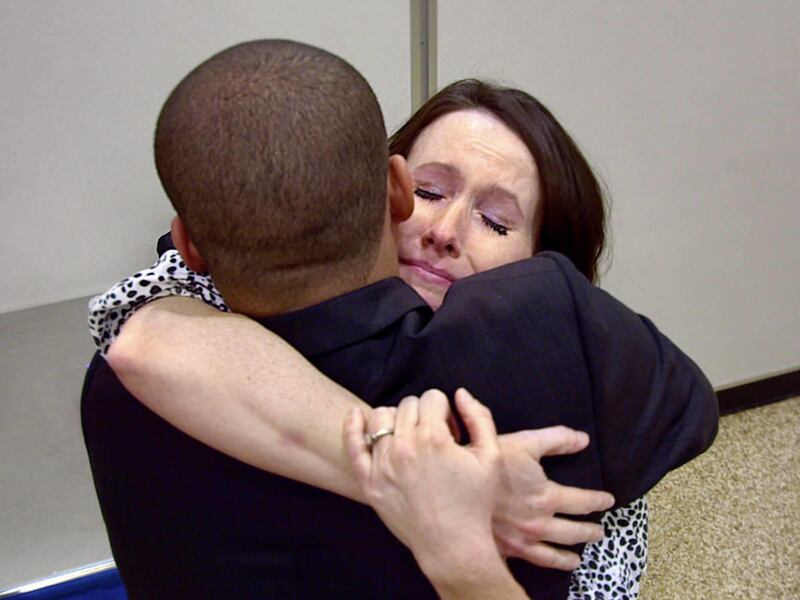
The film’s final subject, a missionary mother in Utah, appears to represent the traditional Mormon stereotype. But a moving narrative reveals that Dawn Armstrong had many struggles before the gospel helped her to where she is today.
Her example underscores Treu’s second profile requirement: It was important to feature members who were active in their faith.
“Living the gospel had to be something that was front and center in their lives,” he said.
Even if it’s an official church production, “Meet the Mormons” is very much Treu’s pet project, and he is pleased that the film he envisioned is exactly what wound up on the screen. His only real regret is that he wasn't able to profile a church member from eastern Asia. (Plans to do so were changed when a tsunami hit before production.)
Treu’s heartfelt motivation spins from an encounter he had in the third grade back in California, when his teacher read a passage about Mormons aloud from a class reader.
“It talk(ed) about polygamy, and it even said that we have horns,” said Treu, who was the only member of the church in his class. “In that environment,” he continued, “I learned of … the difference between the reality that I knew and the perception that the world had.”
If the early feedback is any indicator, “Meet the Mormons” should go far to rectify that dissonance.
Joshua Terry is a freelance writer and photojournalist who appears weekly on "The KJZZ Movie Show" and also teaches English composition for Salt Lake Community College. More of his work is at woundedmosquito.com.