




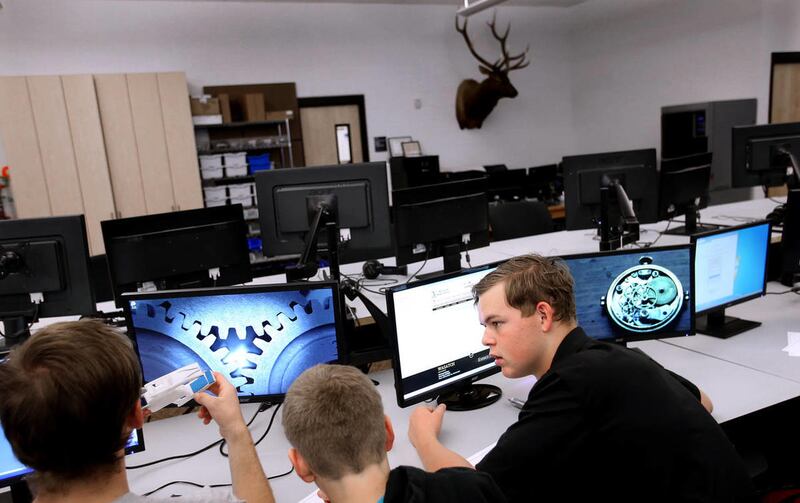

SALT LAKE CITY — Teaching and learning in the Wasatch School District are not what they used to be, and lawmakers and other districts are taking notice.
"We've started on a journey to look at a more comprehensive way of transforming teaching. We call that digital conversion," the district's superintendent of schools, Terry Shoemaker, said during an Education Task Force meeting Wednesday.
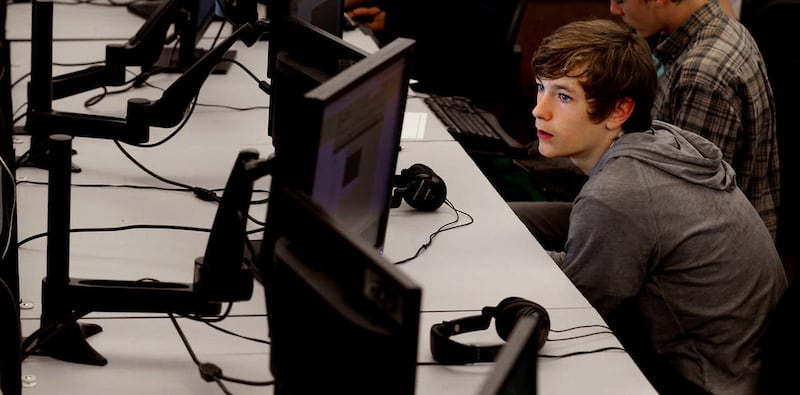
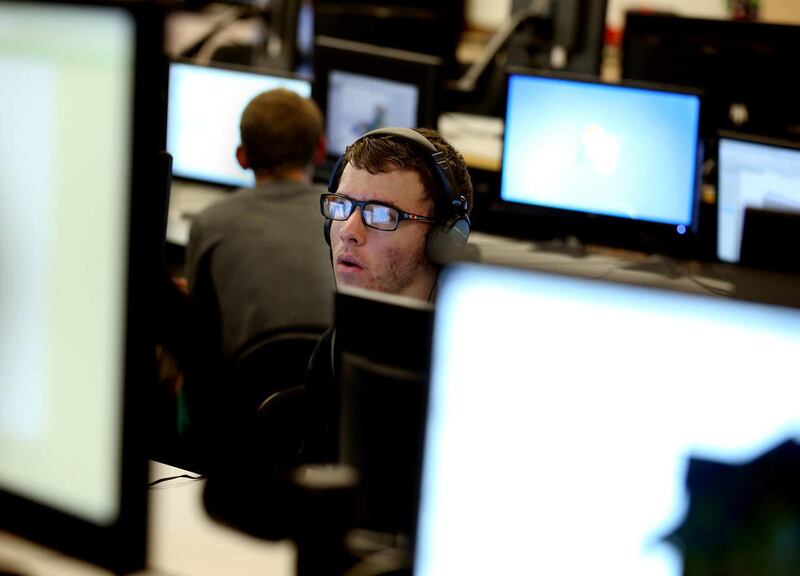
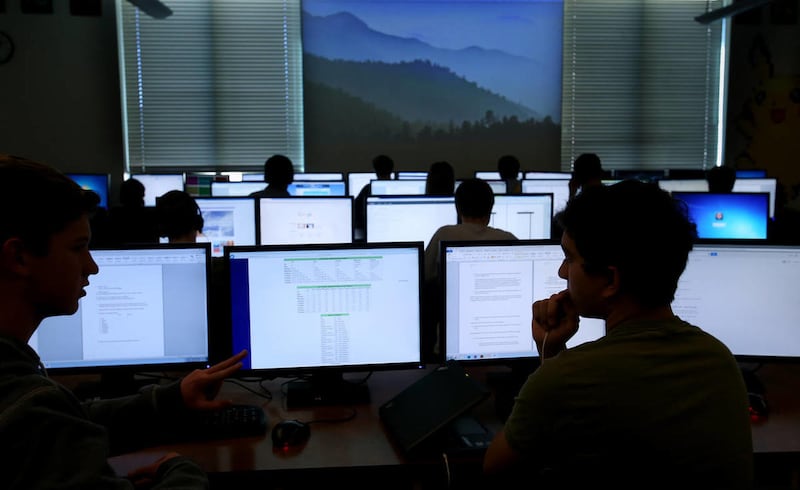
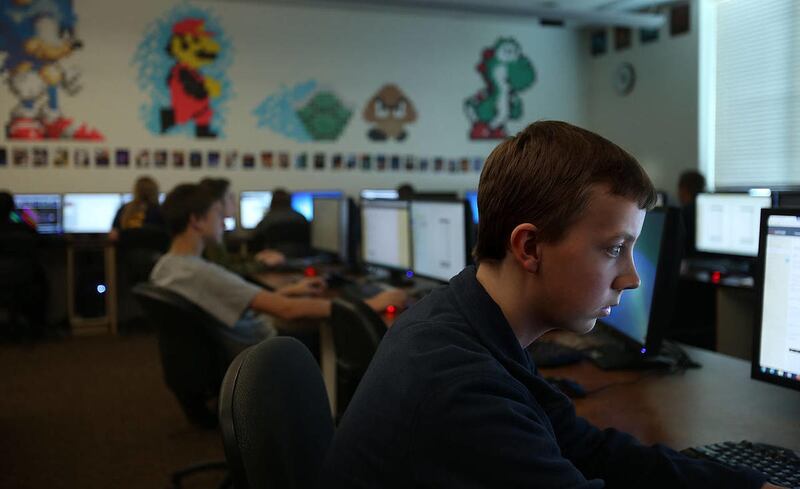
Since 2011, the Wasatch School District has implemented an initiative where each student in third through 12th grade is given an electronic device, such as a laptop, to use in the classroom. Other devices, such as Smart Boards and laptops, are provided for teachers. The initiative is intended to give educators better tools in teaching effectively, as well as to provide individualized learning experiences for students.
So far, teachers in the district say they have seen more students engaging in classroom activities, such as researching a topic, presenting to the class or completing coursework when they are not only permitted but expected to use an electronic device in the process.
"It's important that we recognize that (students) engage with these things. Not only do they engage with them, they engage for hours with them," Shoemaker said. "We noticed that. We felt like that was something we could reach out to."
District leaders say it's still to early to tell whether the initiative of two years is measurably aiding student performance. With this year's implementation of SAGE, Utah's new year-end computer-adaptive assessment, state and district officials are establishing 2014 as a baseline year for measuring academic proficiency.
Wasatch's conversion to a digital model was done without outside funds. Using devices cuts costs from having to buy textbooks, but providing access to devices for many of the district's roughly 6,000 students came at a fairly high price tag — about 4 percent of the district's overall budget, according to Paul Sweat, the district's director of secondary education.
"It's very difficult for us to pull this off financially," Sweat said. "I think for some districts, it's not feasible to do without help from the Legislature."
Utah's lawmakers are considering providing assistance to districts interested in implementing digital overhauls through SB171, which could cover up to one-fourth of costs during initial phases of the programs, according to bill sponsor Sen. Howard Stephenson, R-Draper.
"The question is: How do you bridge where you are now to where you have this ongoing commitment for replacement?" Stephenson said. "And so if we as a Legislature were to provide (assistance) for the first year or two, that might get them over the bridge."
Using technology in the classroom helps teachers to facilitate a learning experience that caters to each child's learning level, especially in larger classrooms where educators may otherwise follow a model of "teaching to the middle," or to the majority of the class, according to Scott Drossos, senior vice president of Digital Partnerships with McGraw Hill Education.
"When you think of challenges that teachers have to personalize learning and individualize their instructional support without using technology, it's pretty darn difficult," Drossos said.
Standardized use of technology in schools levels the playing field for economically disadvantaged students who may not otherwise have access to devices that facilitate learning at home, he added.
Critics of the digital conversion model say traditional teaching methods, like giving lectures from the front of a classroom, bring out human elements of teaching and can have an equal impact on students in their learning career.
"You think of the teachers that you remember the most from school. Some of them stood at the front of the room and they were entertaining, they were energizing, they were stimulating, and they created amazing discussions," said Rep. Carol Spackman Moss, D-Salt Lake City. "I hope we don't lose that spark because you remember the teacher, not just the class or the things you learned or the way you learned."
Leaders of the Wasatch School District, however, say technology can never replace good teachers. Instead, they give teachers the tools they need to excel in professionalized instruction.
Sweat says the loss of human interaction is a "nonissue."
"We are not interested in subtracting any good teaching practices, things that have worked for you over the years. We're simply wanting to add to them," he said.
Sweat added that having a device for every student is "very critical" to individualized learning, and that multiple students assigned to one device drastically reduces the ability to customize learning activities.
"There's so much more that can go on outside of the classroom with digital learning," and it requires that 1 to 1 device-to-student ratio, he said.
Currently, it remains unclear to what extent the use of technology will become required in Utah's classrooms. But Sweat said outside resources and expertise are plentiful for schools looking to convert to more digital models of learning.
"The time is right for this idea, and I think it's going to take room to grow no matter what we do," he said. "But I think it's important for districts to think through this and plan how they're going to implement it instead of waiting until it's kind of forced on them."
Email: mjacobsen@deseretnews.com, Twitter: MorganEJacobsen