


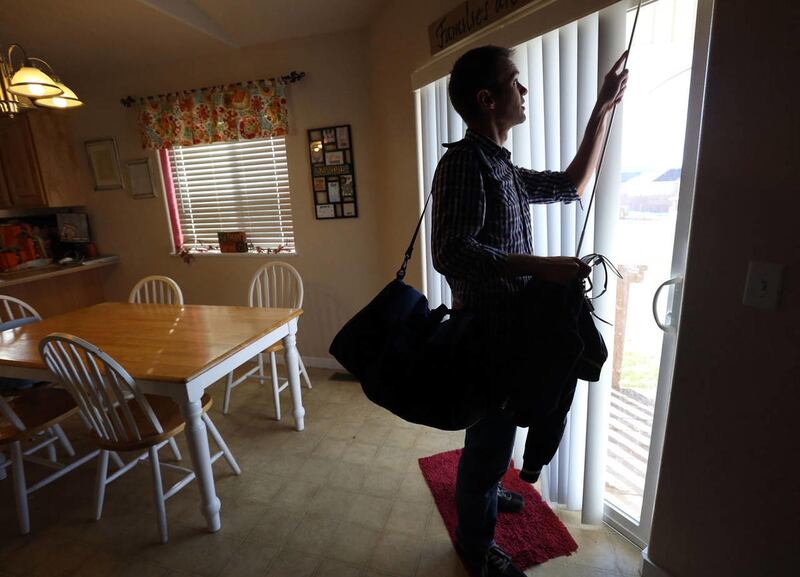

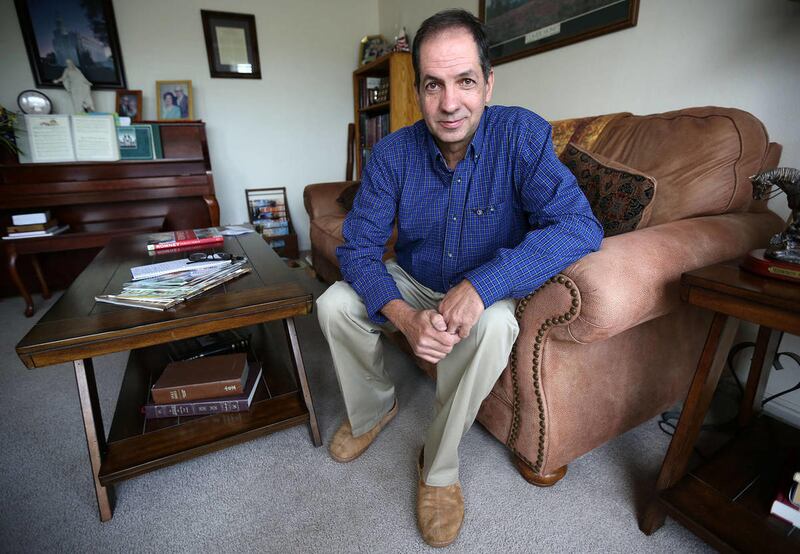


People moved here to be in what they consider a rural area. Along with that brings people who have moved here from Las Vegas, California, or other big cities. … So now we've got this difference of opinions of what kind of environment they want to live in. There's a clash. – J.D. Price
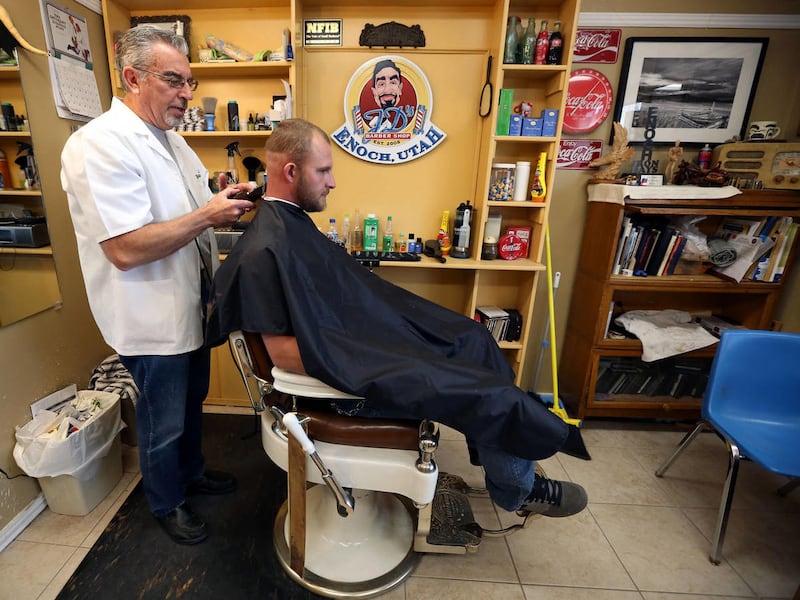
ENOCH, Iron County — Months of growing pains in this small, rural city have divided neighbors over the first local property tax increase proposed in 45 years, and it has all played out in J.D. Price's barber's chair.
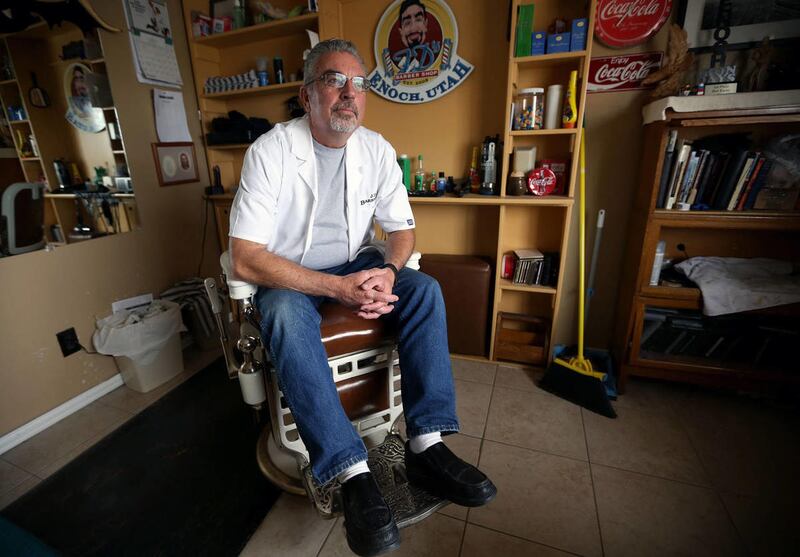
"I get both sides," said Price, waiting for customers at his little shop in what could be considered the center of this agricultural city just off I-15, a rambling collection of homes on what was once lush grazing land for the Mormon pioneers who settled nearby Cedar City.
Price recalled how customers have sat in his antique barber's chair, and as he cuts and trims and shaves, they've shared concerns about those on fixed incomes, frustration over the city's inability to attract businesses, or hope that the tax increase could allow for new opportunities and services.
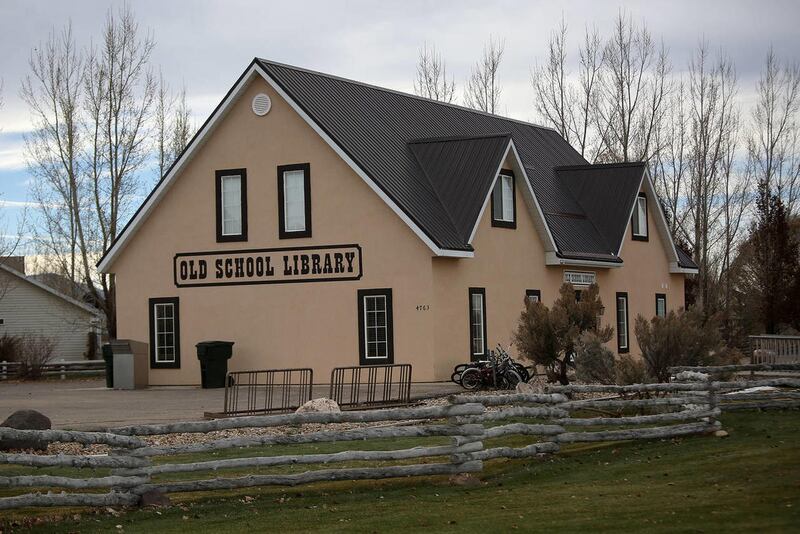
Enoch residents collected enough signatures last year to put the proposed tax hike on the ballot, though it failed by 181 votes earlier this month. Now, the five-seat Enoch City Council is looking for ways to balance its budget and prepare for another year without needed revenue. At the top of the chopping block is likely the city's contribution to the county's mobile library.
Supporters of the property tax fear the coming budget cuts will be deep, while opponents see the initiative's failure as an important step toward keeping government in check and expenditures at an appropriate level.
Price, who moved to Enoch eight years ago in to reconnect with the peaceful life he knew growing up, said he sees the property tax debate as indicative of the internal struggle all small cities face as they grow but don't want to grow too much.
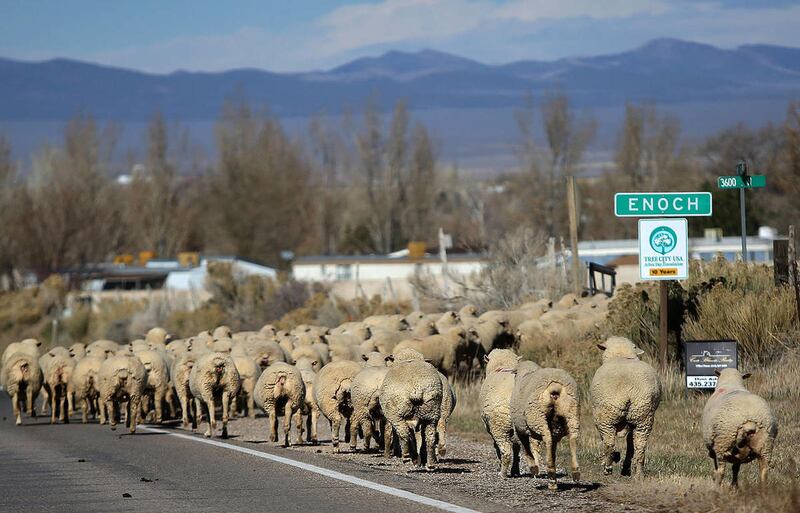
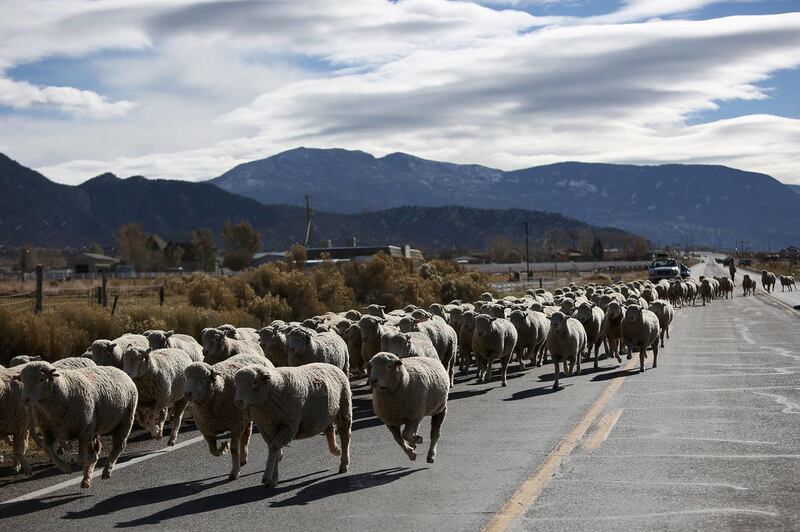
For years, the rural city has been a haven for families who want some land for horses and chickens, don't mind a rusty car out behind the house, and appreciate that fewer streetlights means better views of the stars.
"People moved here to be in what they consider a rural area," Price said. "Along with that brings people who have moved here from Las Vegas, California, or other big cities. … So now we've got this difference of opinions of what kind of environment they want to live in. There's a clash."
A 113 percent increase
For years, Enoch has lived off savings.
After the housing bubble burst, the city could no longer get by relying on revenue from new construction as it had done for years. City leaders turned to the pot of extra money that had been building over time, preventing increased costs for residents during recession years.
But now that money is almost gone, leaving Enoch on the threshold of the minimum level of savings the state will allow. In August 2013, the City Council proposed its first property tax hike in decades — a 113 percent increase — and was met by immediate opposition.
"Taxing doesn't become just a thought process. It becomes good and evil," said Dan Jessen, who took the post of Enoch treasurer in January. "It becomes, 'This is all the things we hate about Washington. And look, it's happening right here in Enoch.'"
Along the way two city councilmen who had supported the increase were ousted by voters, and the remaining beleaguered council members who might vote for a smaller increase next year aren't likely to propose it, said city manager Rob Dotson, a 20-year Enoch resident.
The proposed hike would have raised taxes by $158.40 annually for a $120,000 home, or $288 for a business, generating $308,182. The difficult request was made even more unappealing considering the increase was needed to maintain daily operations, not for a new building or project in the city, Dotson said.
The fact that this is the first proposal of its kind within memory doesn't mean Enoch residents haven't paid more taxes over time, a common misconception, Jessen points out. The base property tax rate calculated by the state has ticked up as the city has grown, but not enough to keep up with growing needs.
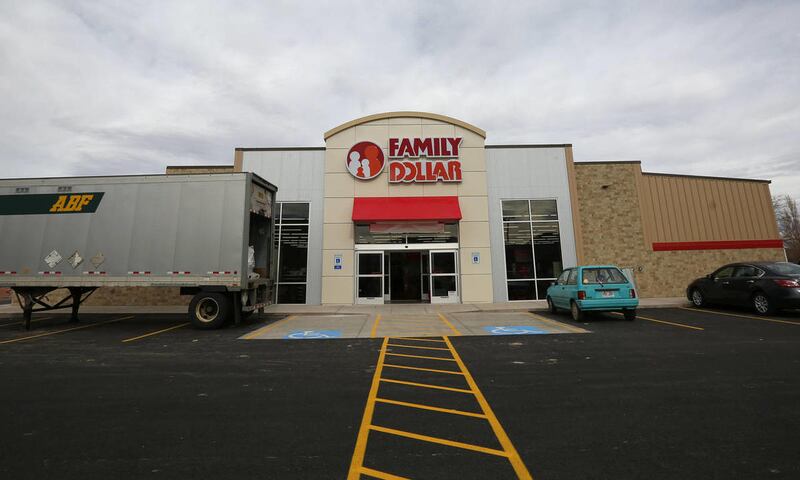
Likewise, sales tax generates very little revenue for Enoch with only a handful of businesses in the area. A new Family Dollar opened in town Wednesday, the largest business in the area so far, alongside a local pizza joint and Price's barbershop.
Now that the property tax has failed, the City Council is involved in painful negotiations about how to balance its budget for the next fiscal year.
With the year partway spent, Jessen recently combed through the budget to identify any leftover funds or extra revenue over $2,000, and after dropping an annual $60,000 payment toward an updated drainage system, the magic number the council needs to cut was brought to $38,000.
In front of a crowd of about 90 people, debate in the Nov. 19 City Council meeting zeroed in on the Iron County Bookmobile Library, which receives $41,000 from the city annually. At the council's request, Jessen is preparing a proposed amended budget that cuts the library contribution, and once it is accepted, a public hearing will be scheduled.
As the City Council talked about possible cuts, Councilman Mike Olenslager took a deep, frustrated breath before weighing in, insisting that once the current budget is balanced, a revenue stream must be identified as plans begin for the next budget in only a matter of months.
"We can cut to death this upcoming budget, but it's only going to compound from year to year to year … until we're only going to have a water company, a refuse company and a sewer company," Olenslager said. "This whole thing was obfuscated from the beginning. There was deceit and intimidation and slander and vandalism and all that went on there, but we still need to talk about taxes sometime in the near future."
Neighbor against neighbor
When Jim DeLaigle moved to his house on Quickdraw Lane about 17 years ago, there were barely any other homes in sight.
"We got plates and plates of cookies," he recalls with a laugh.
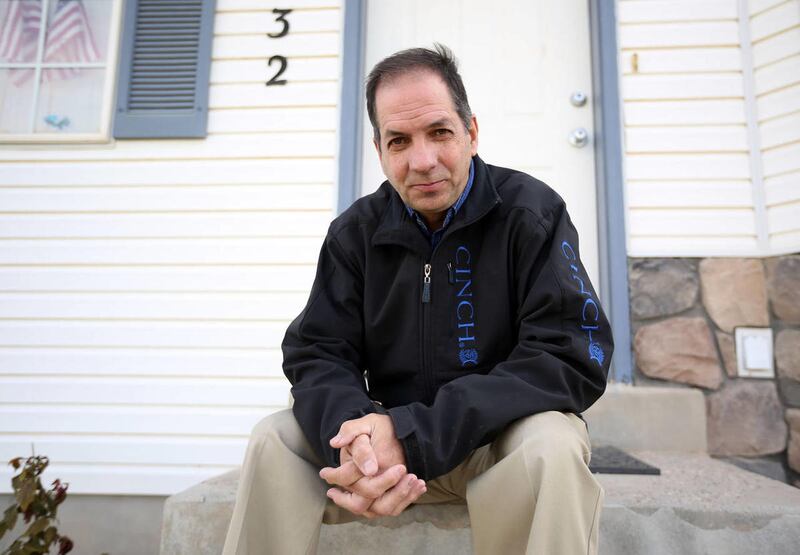
DeLaigle is a dedicated Republican and retired police officer who grew up in Georgia and proudly recounts his time serving Ronald Reagan's campaign. His street is lined with a variety of rambler-style homes. There is no sidewalk, which fits with one motto his "Save Enoch" campaign took on in protest of the tax increase.
"Do you want horse trails or sidewalks?" he would ask.
A mile away, Cordelle Morris, a South Jordan native and graduate of Southern Utah University, built his first home with his wife almost eight years ago. Now, more new houses have joined his on the street, complete with curb and gutter alongside vinyl fences, and the neighborhood is always busy with children playing outside.
Rather than using his large lot for livestock, Morris has grown an expansive lawn on which his kids can play soccer.
After the petition moved the proposed tax increase to the ballot, Morris launched a "Protect Enoch" effort to support it, deciding he was ready to do his part to keep Enoch the way he likes it.
Despite their differences, both DeLaigle and Morris say they chose Enoch because of its virtually nonexistent crime rate, peaceful living and quality neighbors. They also both downplay their initial interest in actively lobbying in the property tax debate.
DeLaigle's attention was piqued when he heard tell of a woman concerned about the increase who was met with what he believes was a flippant and disrespectful response from then-Councilman Rick Bonzo.
"I call it the spark that was heard around the world," he said. "He told her, 'Give up your Pepsi cola and a date night, and you'll be able to afford your property tax.'"
DeLaigle led his campaign with an army of homemade signs and a simple website.
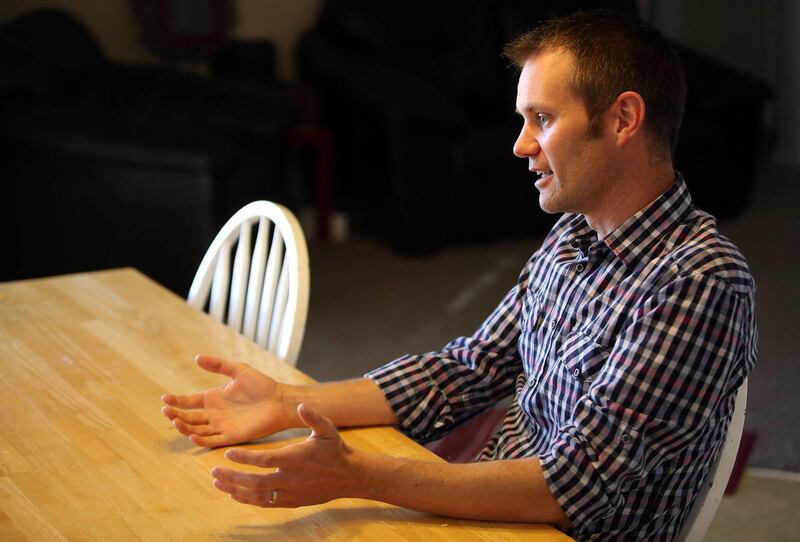
Morris spoke up after researching the tax and deciding that misinformation was circulating. He used his marketing background to put together an attractive, explanatory video and a website geared toward answering questions.
"I was confused," Morris said. "Ultimately, I had chosen that, yeah, I was for it, and I was for it enough that I wanted to provide that voice, and then ultimately leave it up to the people."
When the initiative failed, both men took down their websites, replaced with simple messages. Morris' site thanked all who voted and encouraged cooperation moving forward. DeLaigle's reads, "Enoch has been saved. Now we must save America."
While Morris and DeLaigle, who recently got to know each other over lunch, see one another as newfound friends, others in town who found themselves on opposite sides of the property tax vote say the rift between them won't soon be mended.
Growing pains
Along with its neighbors Cedar City and Parowan, Enoch grew from settlements of the old Iron Mission, when pioneers from The Church of Jesus Christ of Latter-day Saints were sent in 1850 to mine and process the ore for which the county is now named.
In 1966, four of those former settlements — Grimshawville, Enoch, Stevensville and Williamsville — incorporated under Enoch's name as a haphazard town of 102 residents. At the last census, the city's population had just passed 6,000.
Unlike the nearby college town of Cedar City, home to the nearest grocery stores, gas stations and a Wal-Mart, it is a community marked by barbed wire fences and pastures of hardy prairie grass. Livestock and residents on horseback occasionally dot the bumpy roads, and addresses carry names like High Noon Street and Gold Dust Trail.
That's why Price, a Utah native and former gang cop from Los Angeles County, California, decided to settle in an unicorportated area just outside Enoch's city limits after he retired from the police beat and took up his new profession cutting hair.
After watching a year of infighting over the property tax play out, Price said he believes the proposed increase was just too much, too fast for a small city still trying to define itself.
"It was just a perfect storm," he said. "Most of them felt like the city should have been increasing the taxes a little bit at a time over the years. … It's not that they were against having a tax increase; it was the amount, the percentage, that just sounded really, really bad."
Price said he felt the same way and hopes that a more bite-size option will come along in the next few years.
For now, Price will continue to hear the concerns of his regular customers as they discuss the local economy, books they've read and the inaugural Iron Days Festival as they get their hair cut while Creedence Clearwater Revival plays in the background.
Price saw similar small-city growing pains play out in is hometown of Wellington, a city of less than 2,000 people in Carbon County, as he was growing up. He has high hopes for his new home.
"I just want to see Enoch grow in the right direction and not fall into disrepair," Price said. "I think the people that live out here, I think they love Enoch, but I don't think they associate themselves as being a city. They're not sure what it is. They don't know if it's a suburb of Cedar City or if it's a city (on its own)."
An extra lean budget lacks flexibility, Dotson said, especially with improvement projects underway, a newly formed transportation committee looking at travel needs around town, and an energetic economic development committee, of which Price is a member, gleeful with new growth.
"When you talk about not having the funding to maintain what we have, yeah, that's a huge problem," Dotson said. "If I plan on living here for another 40 years or more, that does concern me."
Nevertheless, Dotson, Jessen and others in the city assure that needs will be met and the little pioneer settlement will carry on.
"That's what I told the City Council members," Dotson said. "We'll get the job done. You can give us a shovel or you can give us a backhoe. We'll do it."
Email: mromero@deseretnews.com, Twitter: McKenzieRomero