

When Utah Congressman Jason Chaffetz first threw his hat into the ring to run for speaker of the U.S. House of Representatives, it seemed his chances were somewhere between slim and none. But shortly thereafter, Kevin McCarthy, who everyone thought was Speaker John Boehner’s heir apparent, withdrew from the race and threw the entire process into turmoil, and the vote for speaker was postponed until the end of the month. Chaffetz’s chances therefore look a whole lot better than they did before, although it's very hard to predict what will emerge from the current political chaos.
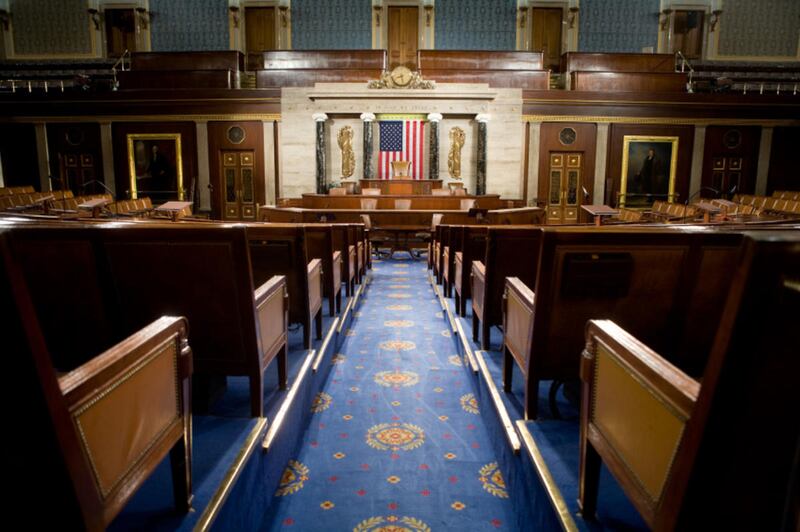
Those who pay little attention to politics might be tempted to wonder what all the fuss is about, especially in the heat of the nascent campaign for the White House, where high-profile presidential candidates get the headlines and attention and congressional leadership positions get lost in the shuffle. But the speaker of the House is third in line for the presidency and may well be the second-most powerful person in America, behind only the president himself. As Congress tries to determine who will fill this critical position, the American people would be wise to educate themselves on the nature of the speaker’s office and how it shapes the American legislative process.
The title “speaker” predates the U.S. Constitution by four centuries, as it was first used to denote the leader of the English parliament in 1377. Article 1, Section 2 of the Constitution states that “The House of Representatives shall choose their speaker,” but it provides no direction on how to go about doing so and does not even require that the speaker even be a member of Congress. So when Ezra Klein of the Washington Post suggested former Massachusetts Gov. Mitt Romney as a possible speaker, he was on solid constitutional ground, even though all speakers to date have been sitting members of the House.
The speaker’s role has evolved over the years to the point where he or she has absolute control over the House’s agenda. The speaker determines what issues will be discussed and voted upon, who will have the opportunity to speak on the House floor, and who will serve on all House committees. Contrast this near-dictatorial authority with that of the Senate majority leader, who has equivalent responsibilities in the Senate but not an equivalent level of power. An individual senator can delay and amend any legislation, and a minority of senators can block the majority leader in a number of ways. No such rights are granted to members of the minority party in the House, where the speaker reigns supreme.
Because the speaker is such a powerful figure, many lament the uncertainty that has gripped Washington in the wake of Boehner’s resignation and McCarthy’s withdrawal. But there’s no reason to panic, even though democracy in action can often be a bit messy. The fact is, the speakership has survived for centuries, and it’s likely to endure for a few centuries more.