








“SUFFRAGETTE” — 3½ stars — Carey Mulligan, Helena Bonham Carter, Brendan Gleeson, Anne-Marie Duff; PG-13 (some intense violence, thematic elements, brief strong language and partial nudity); in general release
A series of disembodied male voices speak over the opening credits for “Suffragette,” decrying myriad reasons from the early 20th century why women shouldn’t be allowed to vote. Ironically, one argues that women lack the “balanced mind” necessary to participate in the political process.
Looking at the events of 1912 from the perspective of 2015 is a sobering experience.
“Suffragette” offers its audience a firsthand view of the struggle for women’s rights in early 20th-century Britain. The focus is on voting rights, but director Sarah Gavron manages to capture a wide spectrum of abuses in documenting a part of history that hasn’t spent a lot of time on the big screen.
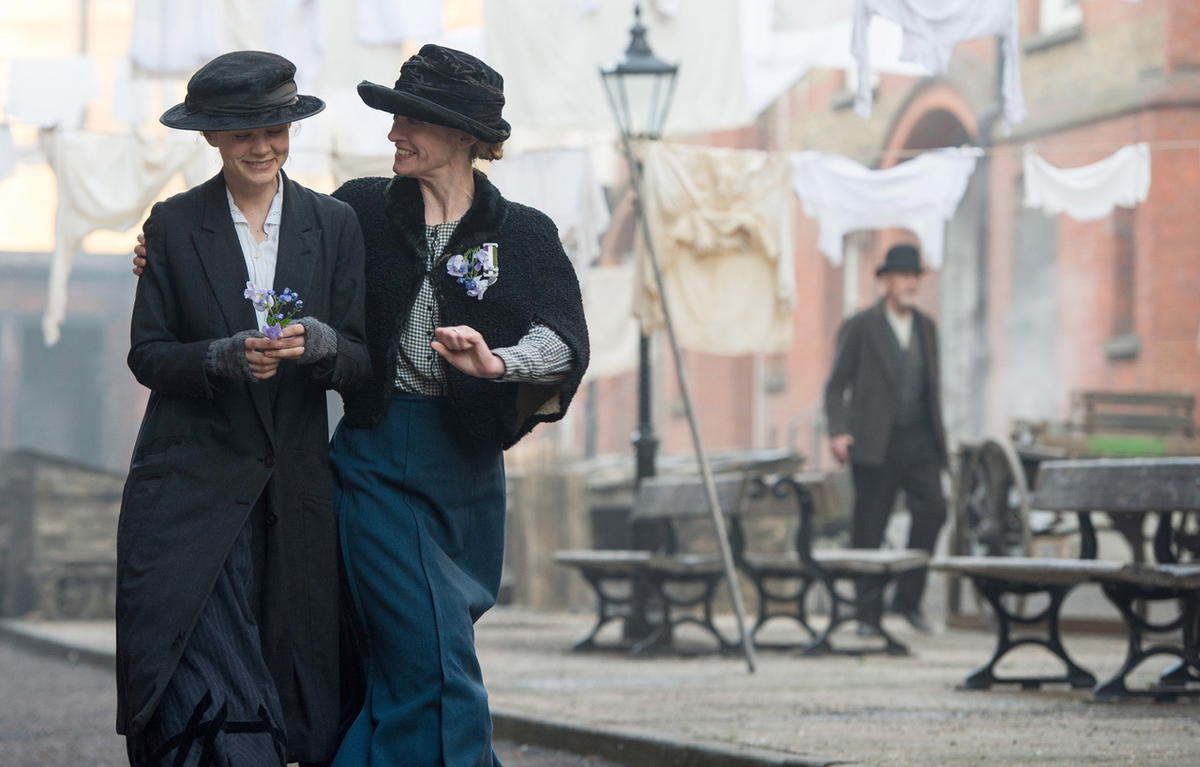
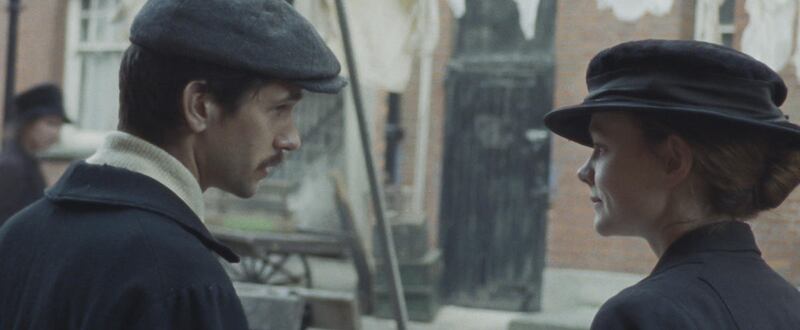
The film is built around Maud Watts (Carey Mulligan), a working mother in London who stumbles her way into the women’s suffrage movement as if fate were directing her path. She’s worked at the same laundry since the age of 7, and in spite of several promotions, she and her husband, Sonny (Ben Whishaw), barely have enough to support their son George (Adam Michael Dodd).
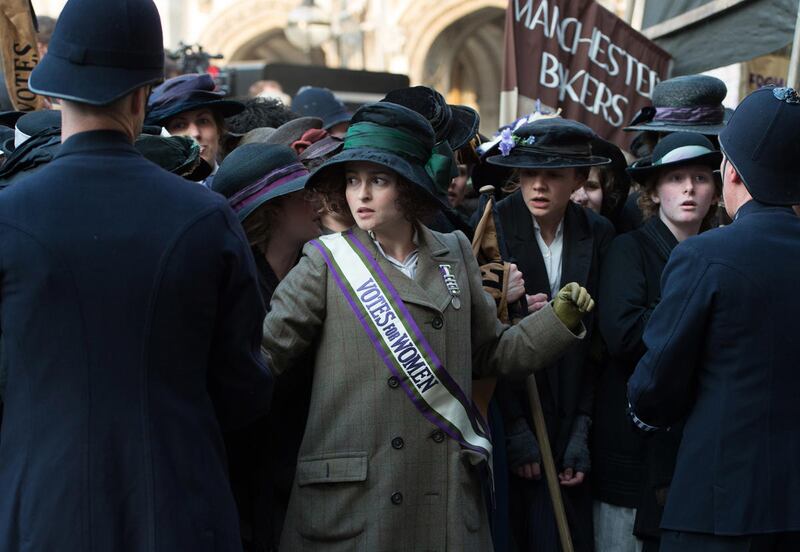
At first, she is a bystander to the movement, ducking for cover when protesters throw rocks through department store windows. Later, she offers public testimony of her working conditions when a co-worker is unable to testify. By the time she gets arrested in the aftermath of a riot, she is officially a suffragette, even if she is slow to accept the title.
“Suffragette” gives us the history of a movement through the transformation of a woman. Maud is not a leader (Meryl Streep turns up in a brief cameo as Emmeline Pankhurst, one of the prominent voices of the movement), she’s a foot soldier. Inspector Arthur Steed (Brendan Gleeson), who has been tracking her group, tries to explain this to her, with little success.
The more Maud gets involved, the more sacrifices she is required to make, and this leads to some of the most heartbreaking passages of the film. They force the audience to step back and ask how much voting — or anything really — is worth in the face of such opposition.
“Suffragette” does an excellent job of showing the complexity of the situation. Outside of those early, disembodied voices, there is no two-dimensional boogeyman to battle. It’s easy to sympathize with Sonny, who works at the same laundry as his wife and is struggling to provide for his family. Even Steed understands the motive behind the movement, even if he isn’t supporting it.
The methods are also up for consideration. From the beginning, Pankhurst calls for acts of civil disobedience and violence, if necessary, on behalf of the cause. As a distant figurehead who is often in hiding, it is tempting to see Maud and her fellow suffragettes as the fodder Steed describes. Shot in dismal, desaturated colors, “Suffragette” depicts a London that is every bit as miserable as the culture it is criticizing. No one here looks like they are living the high life.
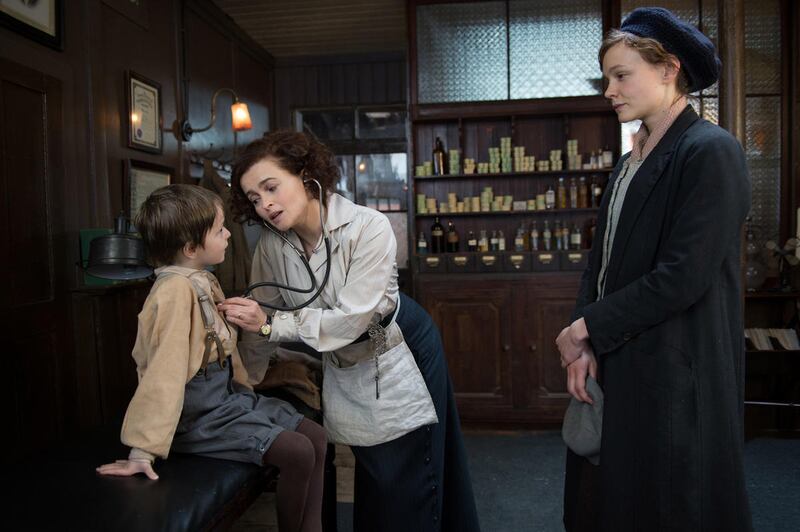
With quality support from Gleeson and Helena Bonham Carter as fellow suffragette Edith Ellyn, Mulligan does an excellent job as Maud. She’s perfect for this kind of role, and her transformation is convincing. It will be a surprise if she doesn’t see some kind of nomination in the coming months.
The film is strong as well, even if it feels like more of a window on the movement than a complete epic. As a fictional character, Maud connects us to the bigger names such as Pankhurst and Emily Wilding Davison, even if we don’t spend much time with them. “Suffragette” is meant to be a portrait of the movement, and it may leave American audiences curious to hear the story of their own.
A list of scrolling dates introduces the closing credits, naming off the years prominent countries gave women the right to vote. The biggest surprise of the movie may be realizing it has been less than 100 years since the United States joined the list.
"Suffragette" is rated PG-13 for some intense violence, thematic elements, brief strong language and partial nudity; running time: 106 minutes.
Joshua Terry is a freelance writer and photojournalist who appears weekly on "The KJZZ Movie Show" and also teaches English composition for Salt Lake Community College. Find him online at facebook.com/joshterryreviews.