

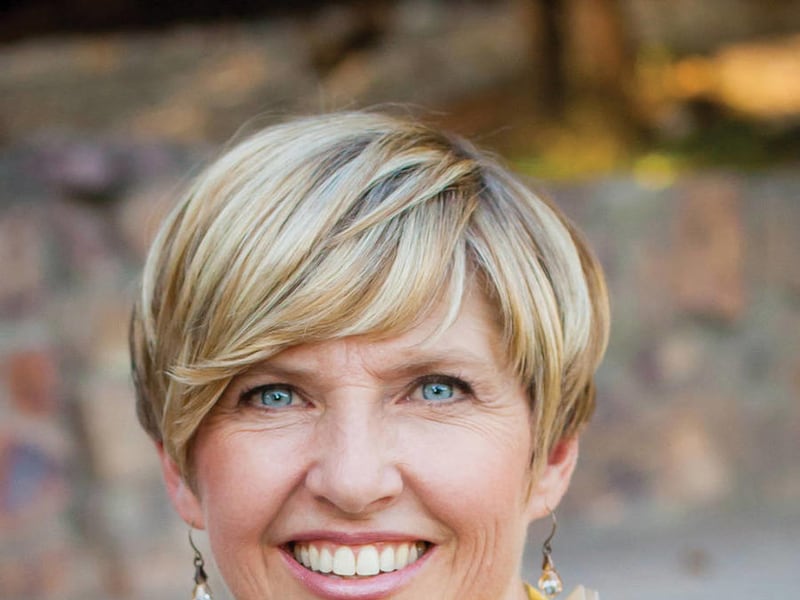


Emily Belle Freeman wished there were something like the Christmas Nativity for Easter as a reminder of the meaning of the season — the suffering, death and Resurrection of Jesus Christ.
“It seems like Easter sneaks up on us so quickly,” Freeman said. “And then it’s there and we have that weekend and it’s gone.”
Several years ago, she started researching who she would want in this “Easter Nativity” — those in the scriptures who had personal experiences with the Savior, especially during his final days.
Her family had made a concerted effort to make Christmas more focused on the birth of the Savior. But at the same time, the Lehi resident noticed that their Easter celebrations — Easter baskets on Saturday and a nice dinner and church services on Sunday — weren’t quite as meaningful.
“The birth of Christ is so important to us. The death and Resurrection of Christ are also so important to us,” Freeman said. “How do we make Easter as high and holy of a holiday in our worship?"
So three years ago, Freeman designated seven people or groups as part of her “Easter Nativity.” She incorporated this into a devotional and activity and introduced it to her family. Freeman shares these traditions in the recently released “Celebrating a Christ-Centered Easter: Seven Traditions to Lead Us Closer to Jesus Christ” (Ensign Peak, $10.99).
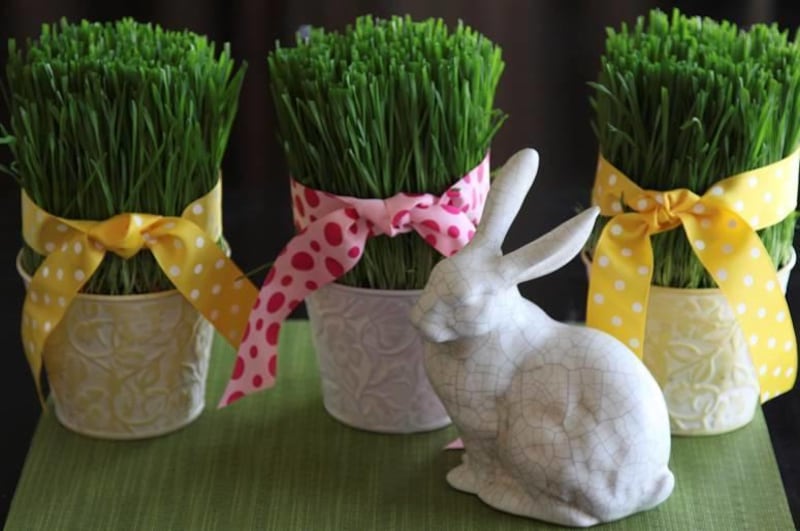
The first in the "Easter Nativity" is Lazarus, whom Jesus raised from the dead. The tradition is “Recognize Unexpected Hope” with the activity of planting wheat berries, and in the week following, watching the tiny sprouts grow — symbolizing that “hope comes out of the darkness.” The Freeman family’s Easter preparations and celebrations begin with this activity.
The second person is Simon the Cyrenian, who helped Jesus bear the cross. Mark mentions how his sons, Alexander and Rufus, were there, too (see Mark 5:21). The tradition “Bear Up” is to do a “compassionate detour” or simple act of service during the week and wear a string or jute bracelet as a reminder.
“Simon was the easiest,” Freeman said of pairing each person or group with a tradition. “I wanted a simple reminder of the humble way we can help others.”
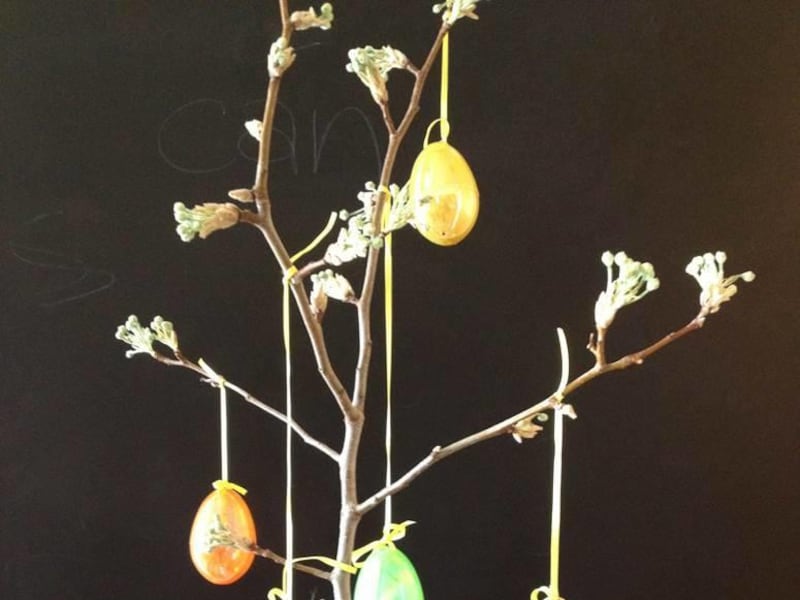
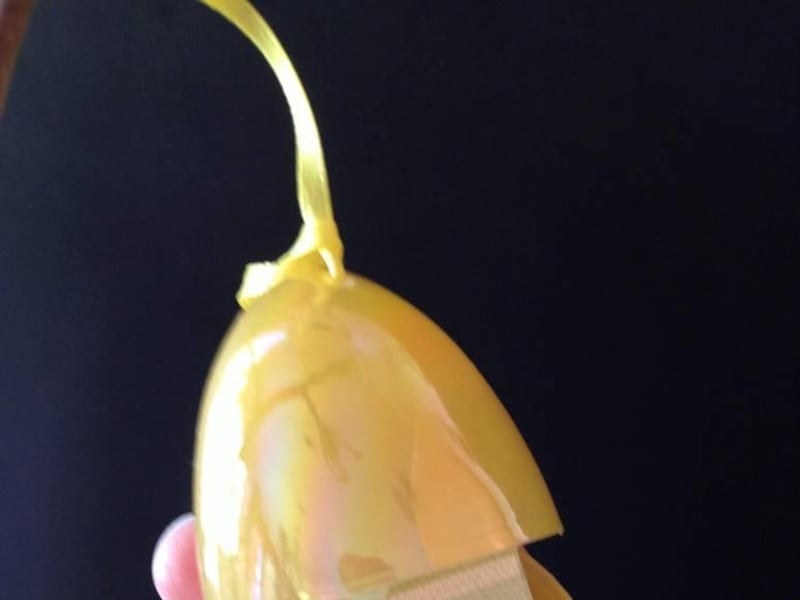
Joseph of Arimathea and Nicodemus are part of the tradition to “Give Up” and create a testimony tree — writing down scriptures and testimony, putting them in an egg and either creating a tree to hang it from or giving it away.
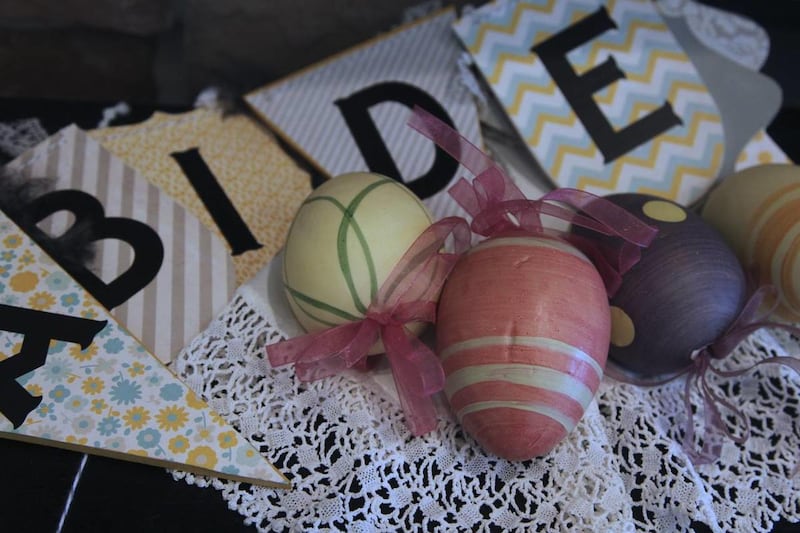
The women who were close to the Savior, including Mary the mother of Jesus, Mary the wife of Clopas and Mary Magdalene, are part of the tradition to “Bear Witness,” with the activity of dyeing Easter eggs.
In her book, Freeman writes about a story her son shared when he returned from serving a mission for The Church of Jesus Christ of Latter-day Saints in Serbia. After World War II and under Communist rule, grandmothers would teach their children about Jesus Christ at home and at Easter. They would dye eggs red and give them away.
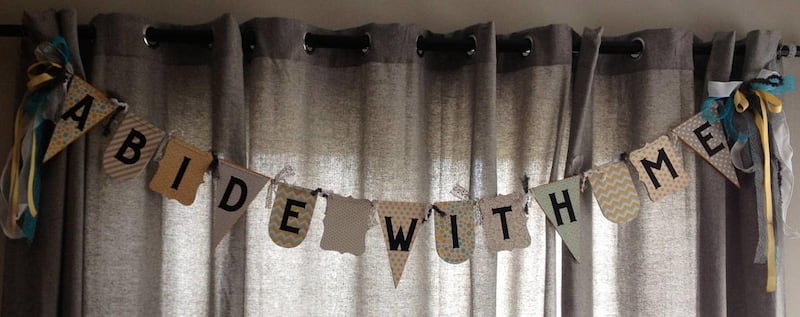
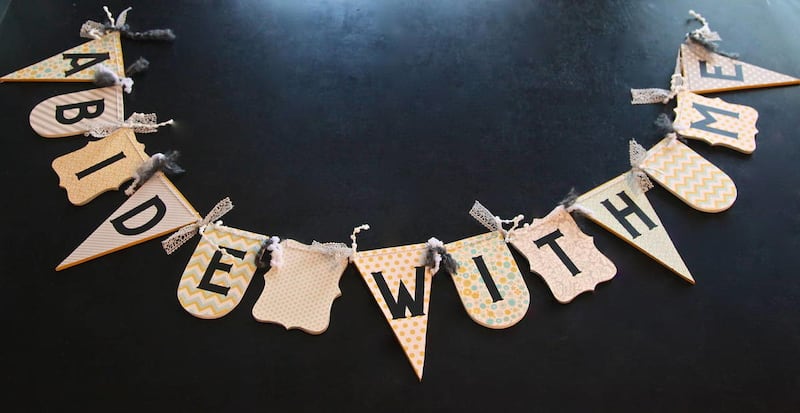
The tradition “Believe,” centered on the apostle Thomas, involves displaying lilies. The chapter on the two disciples on the road to Emmaus, called "Abide with Me," involves creating a banner. The final tradition is to “Rejoice!” and celebrate Jesus Christ, whether through a nice meal, watching the sun rise or reading his teachings.
Each chapter in the 85-page book shares insights into each person or group along with other experiences and stories centered on the tradition, including drawing on scriptures from the Bible.
The favorites of Freeman’s youngest daughters, who were teenagers when their mother introduced the traditions, are the wheat baskets and the bracelets.
Freeman’s favorite is the Easter dinner. “I love that moment where we lay out our finest for the Lord,” she said.
And instead of a Nativity, she had a banner made with each person or group from each tradition as a visual reminder to display during the Easter season, along with several of the things from the traditions.
“Coming to understand their stories better and their personal experiences they had with the Savior is what brought the whole book together,” Freeman said.
As she researched about Easter and each person, Freeman, who is a member of the LDS Church, had discussions with friends and those in a Bible study group at South Mountain Community Church in Draper that she has been attending for the past year.
“There is something about building those bridges in our communities and starting those conversations about Jesus that we can have together but we don’t,” Freeman said. Her discussions with a friend who attends Missio Dei Church about their Easter celebrations helped strengthen Freeman’s own faith and beliefs.
“So often we go into situations and the first thing we wonder is what is different about them than what we believe, and this process has taught me that we need to enter into conversations or situations saying, ‘What is similar between us? What can I learn from you that would strengthen me in this situation?’ ” Freeman said.
“There are more similarities between us than there are differences, and we can learn to build on those.”
Freeman is also the author of “Celebrating a Christ-Centered Christmas: Seven Traditions to Lead Us Closer to the Savior” and co-author of “The Peter Potential: Discover the Life You Were Meant to Live,” and she has another book coming out this fall that is also geared for a Christian audience.
After publishing “Celebrating a Christ-Centered Christmas,” she started getting questions about what her family does at Easter.
“I realized that I wasn’t the only one who wanted to make Easter more of a high holiday for my family,” she said.
More information is at christcenteredcelebrations.com.
Email: rappleye@deseretnews.com Twitter: CTRappleye