



By their example, they show us how to overcome. My daughter, Rachelle, my uncle, Murl Nelson Jr. and Max Hall? They show me that with enough faith and determination I can overcome anything if I can be as strong as they are. – Doug Witt
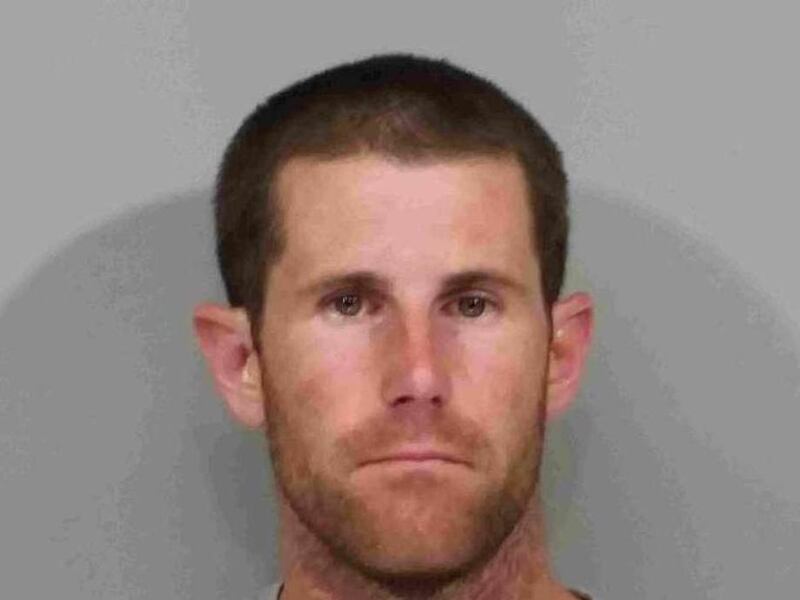
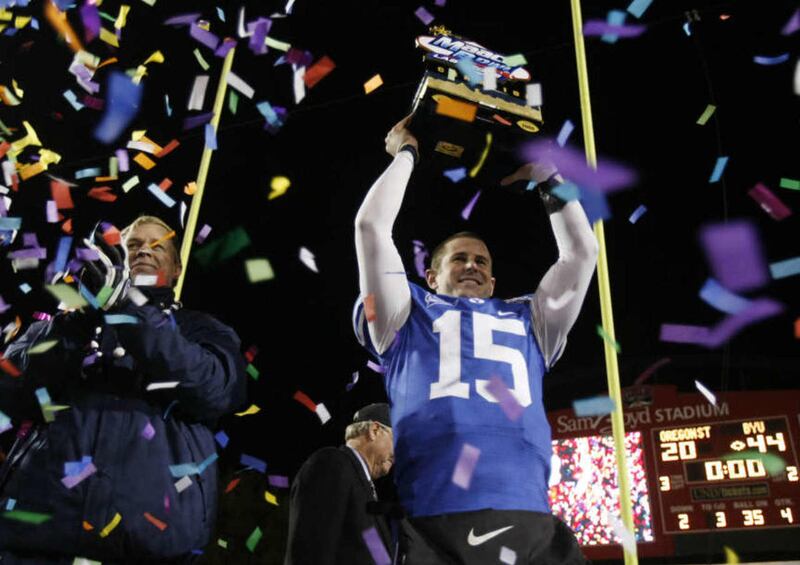
Just after Max Hall’s secret world of addiction crashed down upon him Aug. 29, 2014, a throng of friends stepped forward to support the former BYU and NFL quarterback.
Five days after news of his arrest made national headlines, Hall flew into the Salt Lake International Airport, dressed incognito, almost in disguise. Friends had arranged for Hall to enter a drug rehab center in Orem. Staff from the clinic were there to meet and accompany him. At the baggage claim area for Southwest Airlines, a guy walked up to Hall and said, “Are you Max Hall?”
“Yeah,” Hall nodded.
“You’re my hero. Good luck,” said the guy, who quickly left. Hall then began a painful process of rebuilding his life. He felt like anything but a hero.
This past Monday, an Arizona TV station aired an interview with Hall, who described that summer night when he was arrested for shoplifting and possession of narcotics. He said he wanted to dig a hole and lie in it. He also described years of addiction following concussions and a shoulder injury while playing for the Arizona Cardinals.
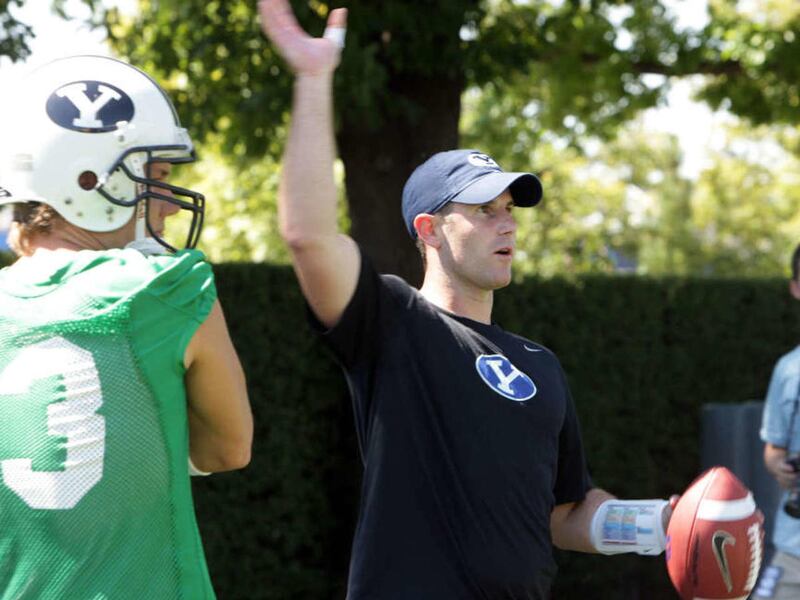
In the interview, one of the three people Hall said came early to his aid was Doug Witt, an adjunct BYU professor, who rallied to get help for Hall because it struck home. Others mentioned were Hall’s QB coach at BYU, Brandon Doman, and former NFL Pro Bowler Chad Lewis, now a BYU athletic administrator.
This cadre of people helped Hall enter Cirque Studio, a world famous addiction modification clinic in Orem, within days of his arrest. This is a hospital that has treated many movie stars and entertainers. Three months and some $70,000 later, Hall emerged with a new chance at life but with the challenge of fighting a monster the rest of his life.
Days after leaving a detox center and entering Cirque, BYU’s all-time leading rusher, Harvey Unga, was with Hall as much as the clinic allowed and probably spent more time with him than anyone, just hanging out. Also often seen with Hall was local movie producer Dave Hunter, who had met Hall at East Bay Golf Course in Provo and became a close friend, and longtime friend Aaron Brown, a Utah PGA professional who had Hall as an intern at Spanish Oaks Golf Course.
Former teammate Andrew Rich arrived as did BYU coaches Lance Reynolds, Bronco Mendenhall, athletic director Tom Holmoe, Paul Tidwell and Ben Cahoon. Indianapolis Colt linebacker Rob Morris appeared and became a strong figure in Hall’s supporting cast. Soon, Austin Collie was also meeting with Hall frequently.
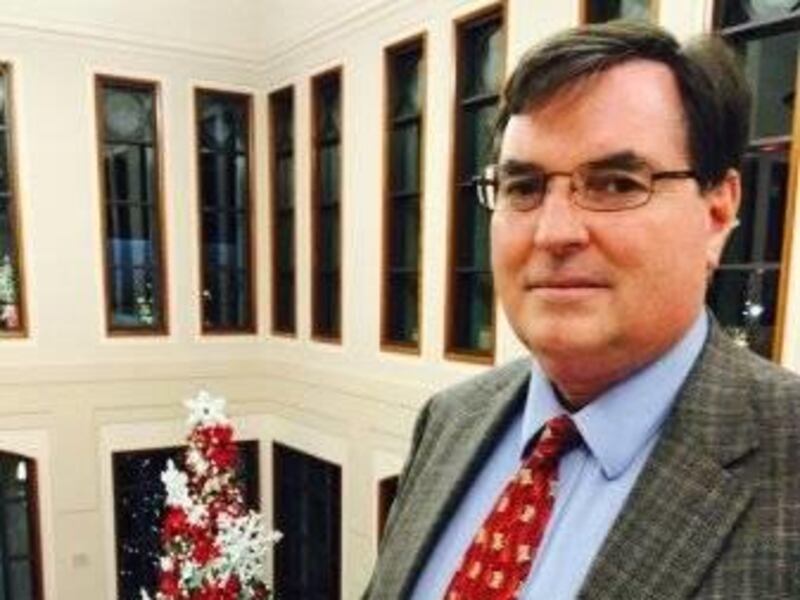
That August night when news broke about Hall’s arrest, Witt awoke suddenly at 3 a.m. with an overwhelming urge to text Hall, a former student.
His message:
“My daughter is an addict. 18 months clean. Heroin. We got her into the program at Cirque. I will help you. Emailed back and forth with Chad Lewis today. It's time to circle the wagons around our boy Max. We are all going to help you. Someday, you will help others too. We love you Max. We are all going to help you.”
For Witt, who made contact with Cirque co-owner Dave Beck and Chief Operating Officer Gary Fisher on Hall’s behalf, this was a good deed he had to do.
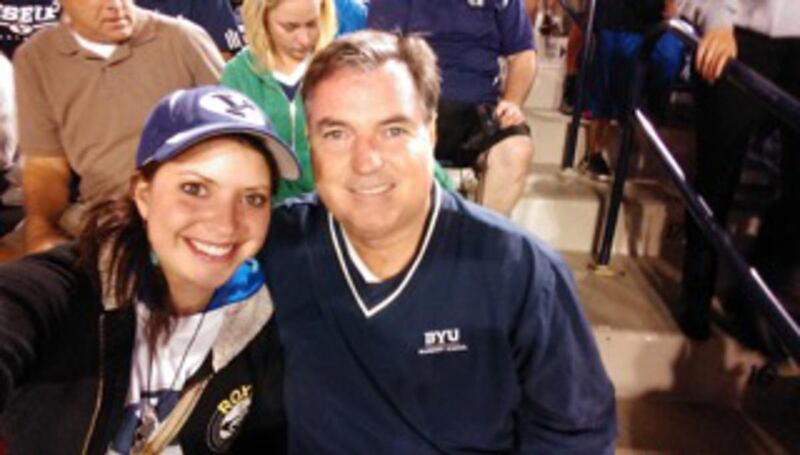
Witt remembers the day, on advice of a friend acquainted with addiction, he took his daughter’s cell phone away. His daughter Rachelle was on a destructive path and he felt helpless as a father, defender and protector. The phone was her drug Rolodex. “I knew it would mean World War III. I went into her bedroom when she was sleeping and took the phone. The next morning it was World War III. She grabbed her things and ran out the door. I didn’t know if I’d ever see her again, that she might be dead within days.”
But a short time later, Rachelle agreed to undergo treatment for her addiction. Witt made frantic calls to neighbors and friends for help. He raised $40,000 in 30 minutes, money needed to admit her for detox at the University of Utah Neuropsychiatric Institute and then on to Cirque.
“I will never forget how it felt to have people step up and help,” said Witt. “I was so in need of help. I never felt so helpless in my life.” So on the day Hall felt like dying, the day his wife McKenzi told the TV station this week was the “worst day of her life,” Witt got involved for Hall.
He takes no credit and he believes neither will Doman, Lewis or any of the others. They just had to be there.
Nobody is immune from problems, he said.
Witt’s grandfather was a Mormon churchgoer who was an alcoholic. His uncle, Murl Nelson Jr., was addicted to alcohol when he lived a rock star lifestyle as the drummer for legendary singer Ritchie Valens and was with Valens just before Valens died in a plane crash with Buddy Holly on Feb. 3, 1959. Witt saw his uncle go cold turkey, put down the bottle for good and become a popular disc jockey in southern California.
Witt believes heroes are the victims of addiction who later conquer their demons.
“Many of us — family, friends, neighbors — we all reach out when we see someone we love who is suffering or in need. But in reality, they are our heroes,” said Witt.
“It wasn’t me who had to go through detox and treatment or face legal challenges and the financial troubles that may have resulted from their problem. We can’t do it for them. It’s all on them to come to grips with the problem and stand up like Max did and say with courage, ‘Yeah, that was me in the picture. I had a problem and I’m dealing with it.' They have to do it and all we can do is be supportive.”
Witt’s seen this in his daughter, now in her mid-20s and two years sober. This week she is in Paris and Barcelona on a business trip for a wedding dress store in Seattle where she works. She doesn’t mind her father speaking publicly of her struggle. She wants people to learn from her misfortune and recovery.
“We’ve come a long way since February 2013. At the time, I know she hated me as I tried desperate things to try and get her away from the people and problems that had taken over her life,” said Witt.
“What Max is doing now is inspiring. This is where Max’s real character shines the brightest. This is how Max shows that he’s a leader, a coach and a friend to others who will draw upon his strength to escape their own addiction.”
Witt calls for understanding, less judgment and more love for those who fight this battle.
“By their example, they show us how to overcome. My daughter, Rachelle, my uncle, Murl Nelson Jr. and Max Hall? They show me that with enough faith and determination I can overcome anything if I can be as strong as they are. So really, they are my heroes because by their examples they give me the hope and courage to face my own challenges.”
Dick Harmon, Deseret News sports columnist, can be found on Twitter as Harmonwrites and can be contacted at dharmon@desnews.com.