

The Patriot Act initially enjoyed the widespread support of a bipartisan majority looking to secure the nation in the wake of the 9/11 attacks, but it became clear over time that the law’s good intentions were marred by aspects that failed to adequately respect the civil liberties of the citizens it was designed to protect.
And when Edward Snowden exposed the massive collection of phone records gathered without any judicial oversight, it became abundantly clear that the government had gone too far. While we recognize the need for what the Patriot Act was trying to accomplish, now that it has expired, there is no need to mourn its passing, especially since the government seems to have learned from some of its mistakes.
The USA Freedom Act, which Congress passed and the president signed into law, represents a significant step forward in protecting national security while, at the same time, respecting civil liberties. Necessary surveillance operations may continue, but important safeguards are now in place that prevent the kind of overreach that made the Patriot Act so problematic.
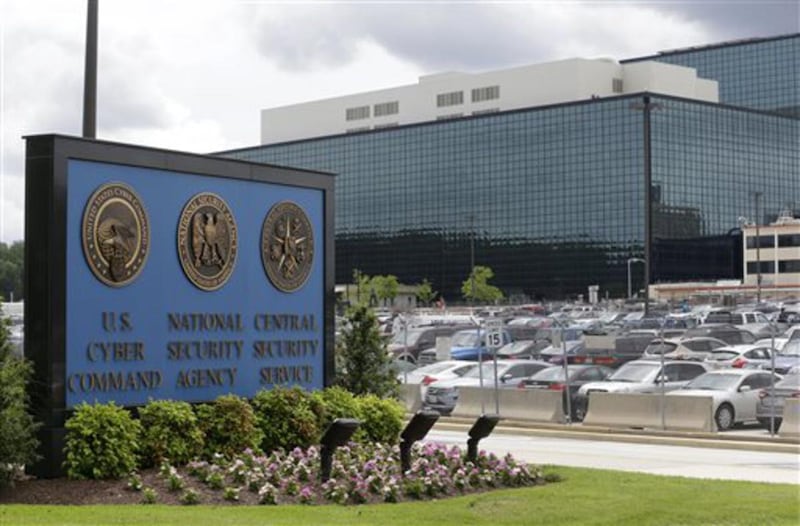
While the new law still allows for the collection of phone records, it also returns the records to the phone companies after six months and requires the National Security Agency to get a court order to review them. This is a reasonable approach that has garnered support from lawmakers on both sides of the ideological divide.
Indeed, one of the things that has been so remarkable about the USA Freedom Act is that its champions have been able to find a great deal of common ground, even though they disagree on just about every other major political issue. Utah Sen. Mike Lee is to be particularly lauded for his work with Vermont Sen. Patrick Leahy to get this bill passed. Lee and Leahy are fierce ideological opponents on nearly all issues. It’s a credit to both men that they were able to set aside those differences to shepherd this bill toward final passage.
These two senators appear to have forged a working relationship that will endure beyond this legislative debate. Already, they are co-sponsoring efforts to revise a law that currently allows the government to read private emails that are more than six months old. The ultimate outcome of this unlikely partnership remains to be seen, but it is always heartening to see people willing to put their country before their political party. We commend Lee for doing so in this case.
This law is not perfect — no law is — but it represents a good-faith effort to do the right thing, and it demonstrates Washington is capable of rising above partisan gridlock. Those are both good things.