




Sean Penn’s character in "Dead Man Walking" sums it up: “It's hard not to get fat. Rice, potatoes, pancakes, beans. Sometimes I feel like a sow on a farm.”
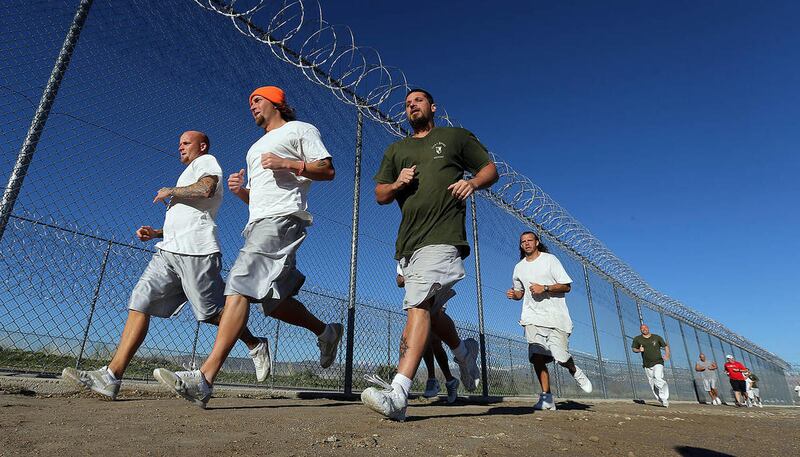
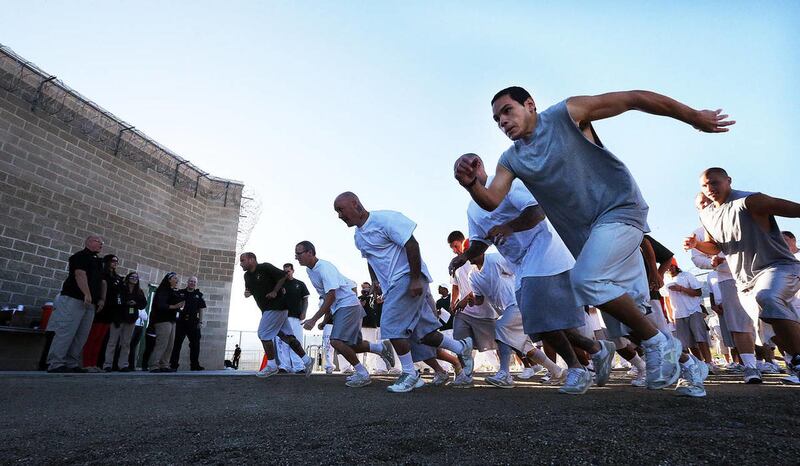
The lack of exercise options for inmates is severe — so severe that most inmates emerge obese from their facilities after serving their time. But the state of Utah has finally found a viable way to combat this weight gain. It’s a regimented prison sports program called Addict II Athlete and, based on my experience in prison, it has greater potential to reduce recidivism than anything else prisons offer.
There is virtually no formal study of weight gain in prisoners. Anything we know is anecdotal and found in popular culture, not academic journals. Real Housewife of New Jersey Teresa Giudice allegedly packed on 15 pounds within a month of being incarcerated. Chris Brown complained of feeling self-conscious after gaining 35 pounds in 108 days of confinement. With bad cuisine, one would expect prisons to produce weight loss, but the opposite is true. I was a correctional wild card, losing weight at first, then gaining it, then losing again and gaining because of a blood pressure medication change.
Incarceration creates a perfect storm for pudge. People entering a prison become depressed; eat a mostly starch-based, high-calorie diet, and idle in small cells. Add in the weight-inviting psychotropic medications that over 100,000 inmates swallow, and you’re looking at people leaving the penal system weighing more than 100 pounds more than when they entered.
Over 85 percent of people in American prisons are addicts and their compulsion slides from the drugs they can’t get to the food that they can reach. They binge on commissary products like Twizzlers and “Whole Shebang” chips (salt, vinegar and barbecue flavors combined) to replace their former highs.
When former prisoners hit the bricks, weight gain keeps old clothes from fitting and they don’t have money to buy new ones. The new-clothes problem for returning citizens is significant; departing prisoners from human-rights-violating Guantanamo Bay received new, larger pants because the average weight gain for those leaving Gitmo was 13 pounds, a far cry from the starvation people expected.
As addicts, they know well the anorexia-inducing powers of illegal drugs. Using crack cocaine to lose weight actually has a name on the streets: the “stem fast diet,” stem being the colloquial term for a glass crack pipe. To fit into clothes and to get their bodies under control, they use substances that put their minds out of control. Under the influence, they usually reoffend and return to regain the same weight. Yo-yo dieting with drugs creates yo-yo justice: in and out of prison.
It’s not as if the effects of exercise on addiction are unstudied. Exercise has been proven to reduce use of marijuana in heavy smokers even when they didn’t want to trim their usage at all. It has reduced cravings for cocaine, meth and alcohol. Exercise has even been proven in lab animals to reverse the brain damage caused by drug abuse.
Despite their benefits for addicts, formal exercise programs in prison are practically nonexistent; celluloid depictions of “working out in the yard” with free weights are Hollywood fantasy. At York Correctional Institution, where I served more than six years, there was a yoga class, which inmates needed to sign up for, but space was limited. Each housing unit had a chance to access the gym — a high school-type gymnasium — three times a week. However, the workout opportunities were totally unstructured and limited to which inmate raced to the TV first to use a workout VHS tape. Where I did time, if you ran, you could get shot because your exercise looked like an escape.
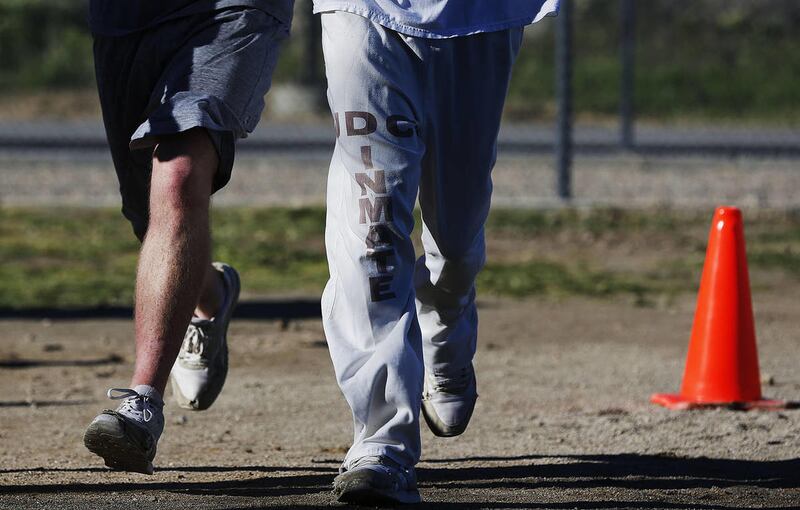
The Addict II Athlete program focuses on weightlifting and running; there is even a 5K race within the prison compound. The program is structured and requires inmates to set goals. It has the added bonus of keeping inmates’ body mass indexes down. There is no need for drugs as weight management strategy when you are fit and trim.
It is often said that the poor conditions of our nation’s prisons fail to rehabilitate inmates and cause them to leave with the same baggage they entered with. This is true. But it’s even more of a setup to release prisoners with that baggage and another 100 pounds when the only weight-control strategy they know is drug use. Programs like Addict II Athlete should be replicated in correctional facilities around the country to help addicts not relapse and reoffend.
Chandra Bozelko is the author of "Up the River: An Anthology," and blogs about her prison experiences at www.prison-diaries.com.