

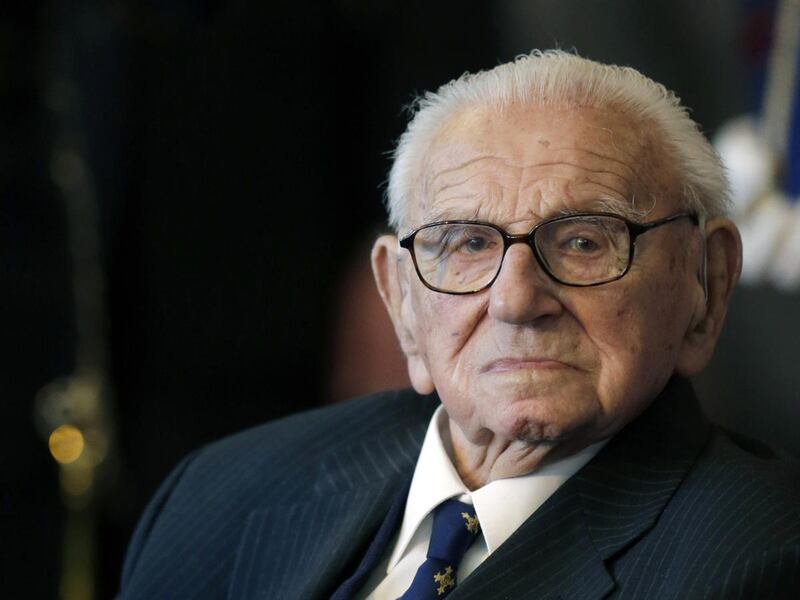
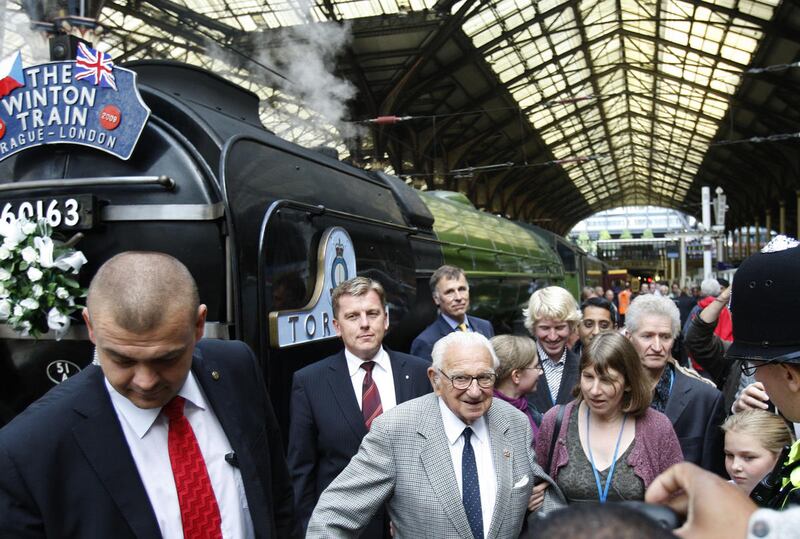
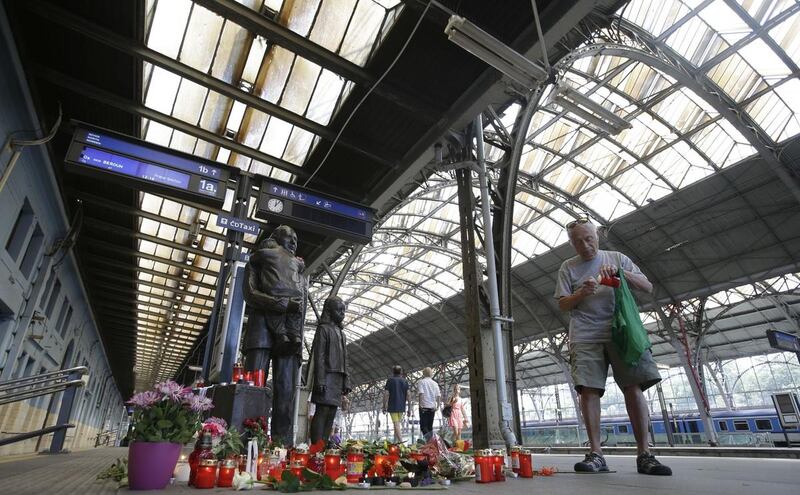
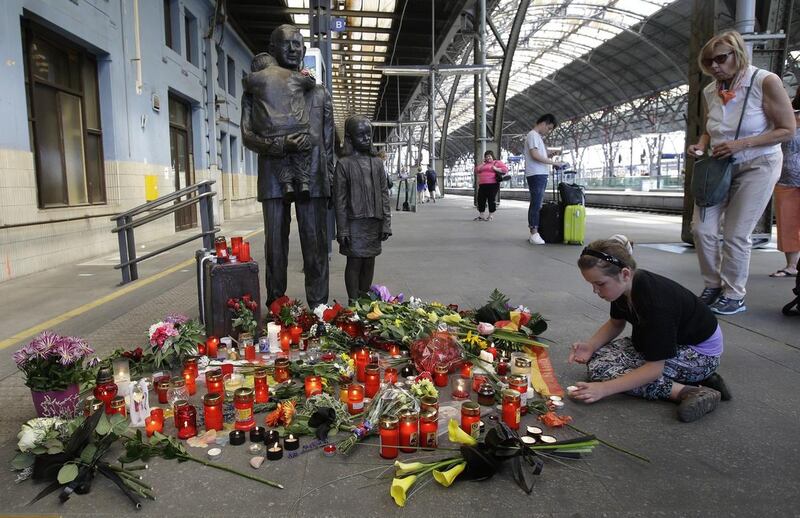
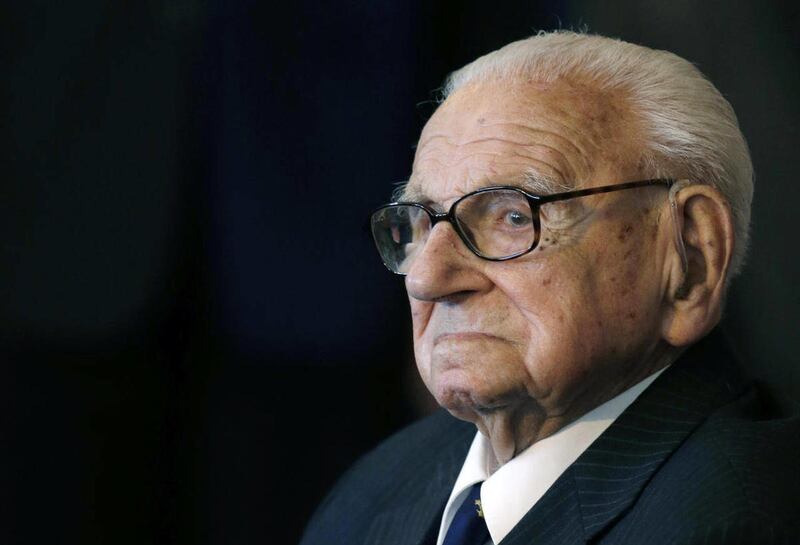
At the end of 1938, Nicholas Winton canceled a skiing trip and instead met with a friend in Czechoslovakia. Because of that switch, over 6,000 people today owe their lives to him.
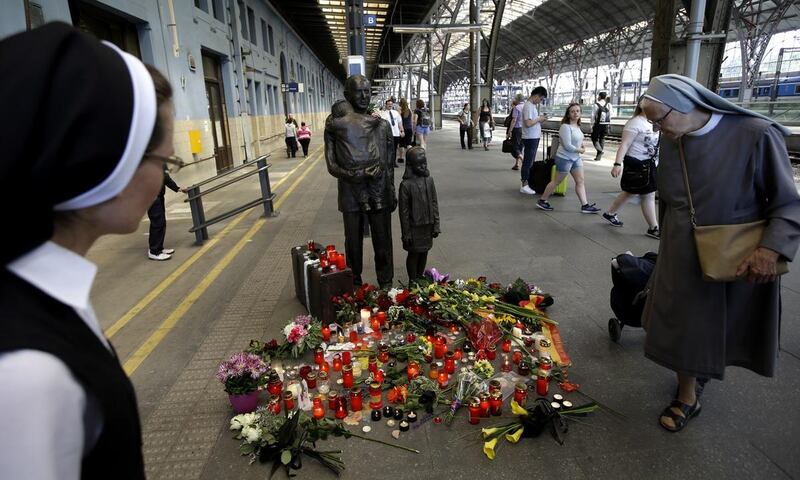
With his death July 1 in England at the age of 106, he leaves behind an immeasurable legacy, wherein he played a direct role in saving 669 Czech children from Nazi forces just before the onset of World War II.
Born to German-Jewish parents but raised a Christian, Winton as a young adult started closely following news reports surrounding the people of his Jewish heritage.
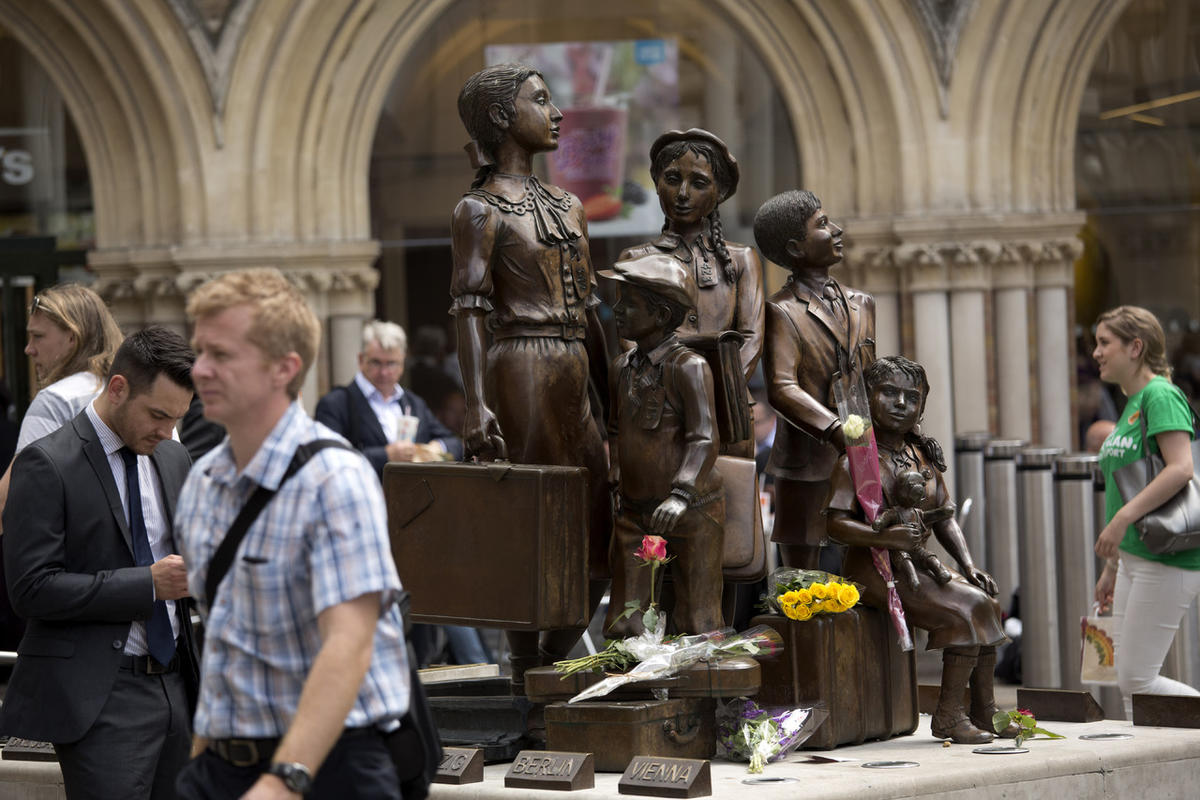
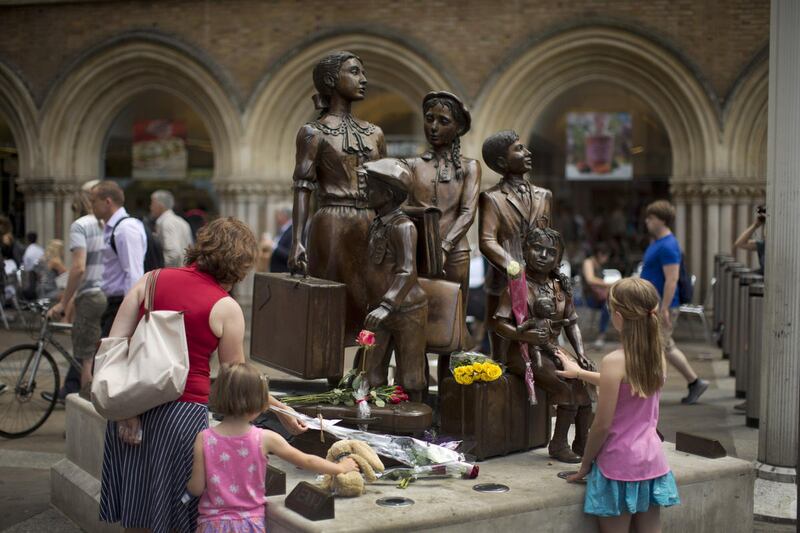
In 1938, the British government started the Kindertransport program, wherein unaccompanied Jewish minors were welcomed to Great Britain, provided they had a host family. However, this program did not extend to Czechoslovakia, so Winton decided to act.
Using a two-week vacation from his work as a stockbroker, Winton went to Czechoslovakia and met with hundreds of parents desperately seeking a safe haven for their children. They knew too well what was coming as a result of the Munich Agreement, a settlement between European powers that permitted the German annexation of western Czechoslovakia. Adolf Hitler’s plan was to occupy the area, thereby reincorporating many people of German origin. The Munich Agreement was not much of a compromise, as it allowed Hitler access to the eventual cleansing of over 77,300 Czech and Polish Jews during World War II.
Winton’s task was a formidable one, as the severe majority of countries had closed their borders to Jewish immigration. Even America rejected the opportunity to take in some of the children, something Winton lamented for years afterward. Howbeit, Winton stuck to his motto, which he described in a "60 Minutes" interview: “If something’s not impossible, there must be a way of doing it.”
After taking registry of thousands of children’s names, Winton returned to England to acquire entry permits and money as well as to arrange transportation and eventual homes for the Czech children. Every foster family under the Kindertransport program was guaranteed 50 British pounds, the equivalent of about $77, a large sum in 1938.
The bureaucracy proved such an ordeal and time was so precious with the impending war that Winton covered much of the costs himself. He also resorted to somewhat deceitful forgeries of permits and bribes in order to see the children through safely, although hopefully no one would fault him for doing so to save lives.
Seven of eight trainloads of children escaped Czechoslovakia and were successfully ferried to England. The eighth trainload of 250 children never left Czechoslovakia, as war was declared on Sept. 1, 1939, just before the train was scheduled for departure.
Surprisingly, Winton’s courageous work went virtually unknown for some 50 years. Fortunately, Winton had kept meticulous record of the children he had saved, and his wife unearthed his scrapbooks in 1988, consequently sharing the information with BBC.
As meek as he was daring, Winton often downplayed his efforts in interviews and award acceptance speeches to instead give credit to the British government for allowing the Czech children into the country, or to their parents, who somberly watched them leave for a better life, never to see the concentration camps at Auschwitz, Bergen-Belsen or Theresienstadt, where the majority of the parents died.
Even to the end of his mortal life, Winton was an example of a true hero — someone who humbly embraced the ideal that one person can make a remarkable difference for good in this world. In February of this year, in accepting the honorable Freedom of the City of London award, Winton made this comment: “The world would be a better place if people behaved in an ethical manner, with honesty and love, rather than causing disputes over religious beliefs.”