



BrandView
This story is sponsored by Southern Utah University. Learn more about Southern Utah University.
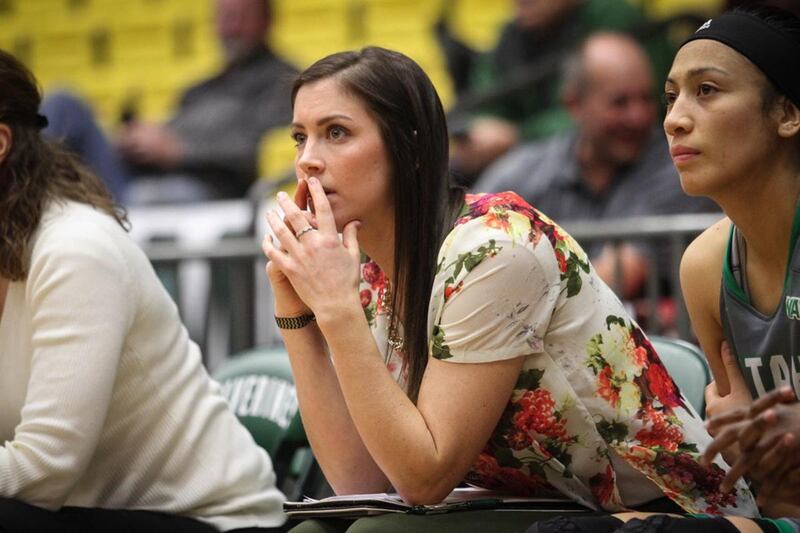
Caitlyn Sears was the fifth all-time leading scorer at Southern Utah University, recording 1,216 total points in her four-year college career. After completing her time as a student-athlete, Sears immediately joined the coaching staff at SUU in 2011. She hadn't planned to serve a mission for The Church of Jesus Christ of Latter-day Saints, but two years later, Sears turned in her coach’s whistle for a black name tag.
“There was a point in my life where something just kind of hit me, and call it a spiritual experience, or call it what you will, but I really just felt like that was what I needed to do next in my life, and it was a struggle,” Sears said. “I had my dream job. … I couldn’t have asked for a better opportunity, but sometimes you get a feeling that life just needs to take a change of course, and I think that you have to be willing to go with it.”
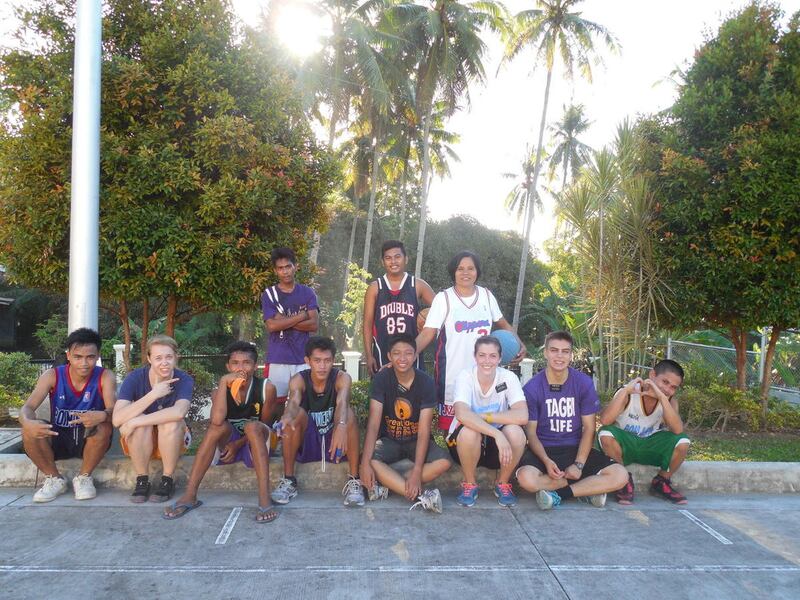
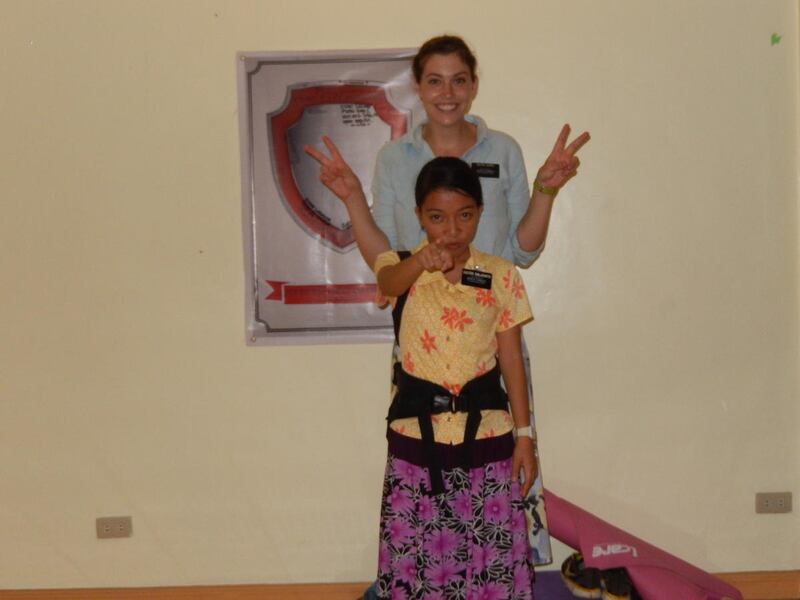
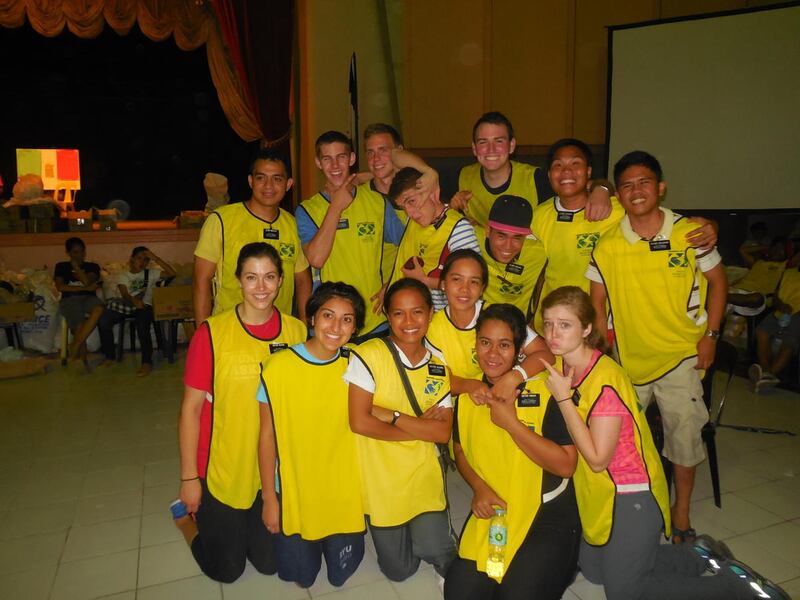
Sears served as a missionary in the Philippines Cebu East Mission from August 2013 to April 2015, and now she is in her first year as an assistant coach at Utah Valley University, returning to the court with a newfound understanding of perseverance after living through a natural disaster.
At 8:12 a.m. in Bohol, Philippines, on Oct. 15, 2013, Sears and the four other sisters living in her apartment were in the middle of their daily personal scripture study when the fans in their apartment cut off. They began to hear dogs barking, and they realized that all power was out before they felt the ground beneath them shake.
Sears had only been in the Philippines for six days, but she remembers feeling surprisingly calm. She said this may have been because of the many stressful situations she faced on the basketball court. The sister missionaries huddled in a doorway, with Sears' 5-foot-10 frame serving as an umbrella, until they felt confident it was safe to move.
What they found when they emerged from the doorway changed their missions as they discovered that more than 200 people had been killed and more than 700 were injured. Many people lost their homes, and damaged bridges made it difficult to get food to more secluded parts of the island. Sears did not have water or power for four and a half months of her mission, but she will never forget the lessons she learned during that time.
“You can make great things out of any experience, but one thing I really learned … from the people there is they are very resilient,” Sears said. “The earthquake happened, and there was devastation, and people had lost family members and stuff, but they just went right back to building houses, … and it really taught me that you don’t need a lot to be happy in life.”
Sears remembers one woman who lost her daughter, grandchild and home in the earthquake but said that as long as she could go to the temple and to church, she would be OK.
In the days after the earthquake, the example set by the Filipino people taught Sears many lessons.
“I learned absolutely the most charitable lessons from them,” Sears said. “They taught me how to be so charitable with everything I have because I am blessed as an American. They don’t have nearly what I have here, and they taught me that I don’t need a lot to find happiness in this life, and I can give everything I have to another person. That is where true joy will come from.”
While serving in the Philippines, Sears found that the lessons she had learned on the basketball court were still applicable. Thanks to basketball, she knew how to do hard things. Having been a part of many teams, she knew how to work well with others, and this helped her develop relationships with those around her. She discovered that figuring out how to stop an opposing team’s offensive streak was not so different from the problems she faced as a missionary.
“You just learn to solve problems,” Sears said. “Basketball is a process of runs. … Someone goes on a run, and you have to be able to stop it defensively. You have to come up with something to help yourself move ahead. Basketball really helped me in every aspect of my life, but I definitely saw it on my mission. It helped me across the board with every relationship I had and most decisions that I made.”
Upon returning from her mission, Sears found that her priorities had shifted, and she questioned whether she should return to coaching. She wanted to put her family members first and didn’t want to do anything that would take away from spending time with them.
She explored other opportunities, but nothing felt right until she was encouraged to apply for a job at UVU. Sears first met UVU head women's basketball coach Cathy Nixon when Sears attended a basketball camp at UVU in the third grade. She prayed about whether she should pursue the opportunity to coach on Nixon’s staff and eventually accepted a position as assistant coach.
“Cathy always tells me that I was an answer to her prayers, but I don’t think she realizes that she was truly an answer to my prayers because I was not sure what I was doing with my life,” Sears said.
For Sears, coaching is about much more than what happens on the court.
“The best thing about coaching basketball isn’t necessarily the game itself, but it’s watching what the person becomes, what the player becomes as a person and as a player when that light comes on and they finally get it," Sears said. "They understand the hard work, and they love the basketball part of it, and they just become the person that they’re trying to become.”
While she would like to get a master’s degree and have a family of her own, Sears has no plans of walking away from basketball again anytime soon.
“I’m very thankful to be a part of this program and to be able to coach these players in every part of their lives,” Sears said. “They’re amazing people, and they’re doing wonderful things. I love where I’m at right now.”
Email: mjones@deseretdigital.com