

CAMBRIDGE, Mass. — There is little that makes Massachusetts Avenue more unique than the people — Harvard students, tourists and Cambridge natives. But the homeless, a shockingly large group in the Boston area, cast a shadow over the idyllic scene of Harvard Square and place the issue of homelessness front-and-center.
Armed with ink, paper and the power of words, some people are seeking to fix that issue.
Spare Change News launched in 1992 and has since branched out to 40 countries and seven languages across the world, making it the longest-running international street paper in existence.
The publication, which is printed bi-monthly and sells nearly 8,500 papers each cycle, was founded not only to generate revenue, but to shatter stereotypes about the homeless community by sharing stories about the experience, according to Beatrice Bell, vice president of the paper’s publisher, the Homeless Empowerment Project.
Spare Change has provided part-time jobs and an outlet for many of the paper’s street vendors to stabilize their way of living, a central mission of James L. Shearer — co-founder of Spare Change — and his colleagues.
The street paper does more than simply give its patrons a job — it aims to give them a better life.
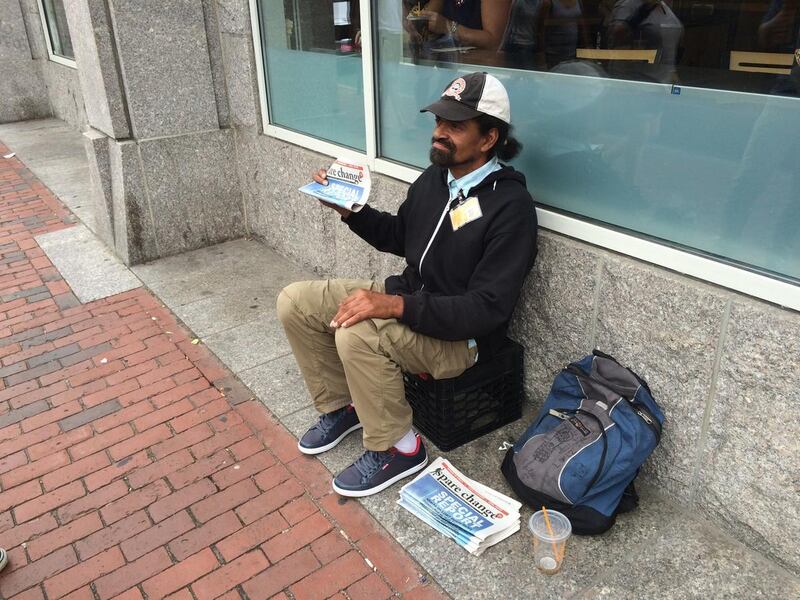
“It’s really a poor man’s paper, but it has stuff that entertains everyone,” Frank King, a vendor selling Spare Change in Harvard Square, said. “It’s a layman’s paper, but everyone can understand it.”
The paper’s goal, as Bell puts it, is “to kill the myth that homeless people are nothing but worthless people; nothing but alcoholics or drug addicts.”
Spare Change covers topics that range from social justice to real estate and retirement, though the bulk of the paper’s content focuses on the homeless experience. Each paper is sold for $1 — 65 cents of which the vendors get to keep for themselves.
Twenty-four years after the paper’s inception, its homeless-centric content could not be more appropriate today.
Though Massachusetts is among the country’s top 10 wealthiest regions, the gap between the upper and lower classes in the state is widening — and as that chasm grows, the homelessness epidemic grows as well. With cost-of-living in the area skyrocketing, the issue is becoming more and more serious.
That’s where Spare Change comes in.
Life on the street
The vendors who distribute Spare Change are undoubtedly what create the essence of the newspaper itself. Many are homeless or have previously experienced homelessness and now have a part-time gig selling newspapers daily as an independent contractor to HEP.
The goal of working at Spare Change is to become “a self-sufficient entrepreneur.” HEP provides these programs so that the homeless can find permanent housing, which is the key to solving at least some of their problems, according to Bell.
Every newspaper retailer has a unique story. King, who has spent seven years peddling the paper, is a Boston native who has found a home on Massachusetts Avenue. King has spent seven years as a peddler, moving from Dorchester to Roxbury to Harvard Square.
“You don’t need no high school [sic] or college education to sell papers,” said King. “We were homeless on the streets with nowhere to go, and someone gave me a job, an opportunity.”
Gregory Dougherty, one of King’s co-workers, faced similar struggles.
“This job kept me living. It kept my head straight,” Dougherty said. “It [HEP] taught me to do things by myself.”
Spare Change contributors produce a special report every issue on certain topics, ranging from social justice to arts and culture. The latest issue details how attacks on the LGBT community are usually not prosecuted in court as hate crimes.
Later in the edition is an opinion piece by Prospect Street vendor Mike Thistle, a cancer survivor and recovering alcoholic. He shares his story of battling through homelessness and addiction, and gives high praise to Spare Change for helping him battle back.
“Spare Change is a tremendous vehicle for individuals who are facing tough times, allowing them to stand up and help themselves,” he wrote. “I honestly love every minute of it.”
Since its establishment, Spare Change has provided the homeless in Cambridge and surrounding areas a formative newspaper that educates the public on social issues.
“We’re here for ’em,” said Shearer. “When people are down on their luck and need some help, we’re here. That’s what it’s all about.”
Shearer said he can see the paper eventually going weekly instead of bi-monthly, accompanying a paper price increase, which would allow the vendors to profit more off of selling the papers, giving them an opportunity to more quickly get out of homelessness.
Shearing stereotypes
Shearer said he never intended to be homeless, but found himself on the streets after dropping out of high school and skidding close to the law.
When shelters like the Harvard Square Homeless Shelter proved to be an insufficient solution to his plight, Shearer’s friends — who were also homeless at the time — Tim Harris and Tim Hobson presented him with a novel idea: a newspaper that would provide for them financially and illustrate the details of their lives on the street.
“I didn’t believe it [would work] at first,” Shearer said. “The problem was, we were homeless. I wasn’t buying into it.”
Shearer said other homeless activists in the area initially disparaged the idea.
“When we were hearing all this feedback, they didn’t think we were capable of putting out a newspaper,” said Shearer. “So, just because they said we couldn’t do it, we said we would do it. … We became kind of obsessed with it, to a point.”
The public, Shearer thought, needed to see these issues in an accessible outlet like their newspaper. They realized that the homeless want to be helped, not pitied, in their mission to find a permanent residence.
While Shearer serves as vice president on HEP’s board of directors, he also is spearheading another project called Voices of Homelessness, which is integrating the stories and pictures of homeless around Boston on social media. His larger goal is to get people talking about homelessness and the problems that the homeless face each day.
As long as Shearer sees homelessness “staying in the public eye,” he considers it to be getting the attention and work necessary for combatting it.
While some label the homeless as lazy or dumb, Shearer combats this notion through relaying his personal experience. Many of the advocates and activists for the homeless encouraged the original founders to abandon the paper because it seemed to be physically impossible.
Nevertheless, Shearer saw the capability of his co-founders and shoved a wedge in the door of opportunity, founding Spare Change News.
“Nobody knows about the homelessness,” he said. “We’re trying to wake them up.”
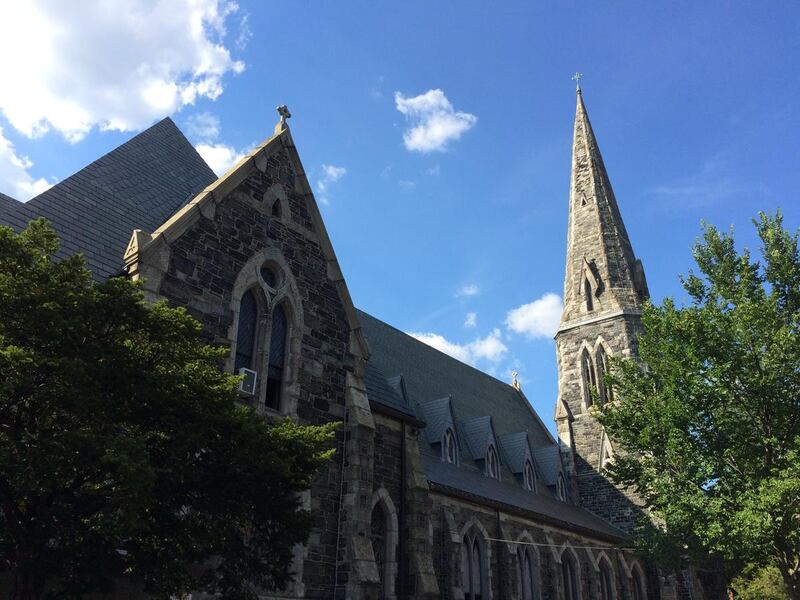
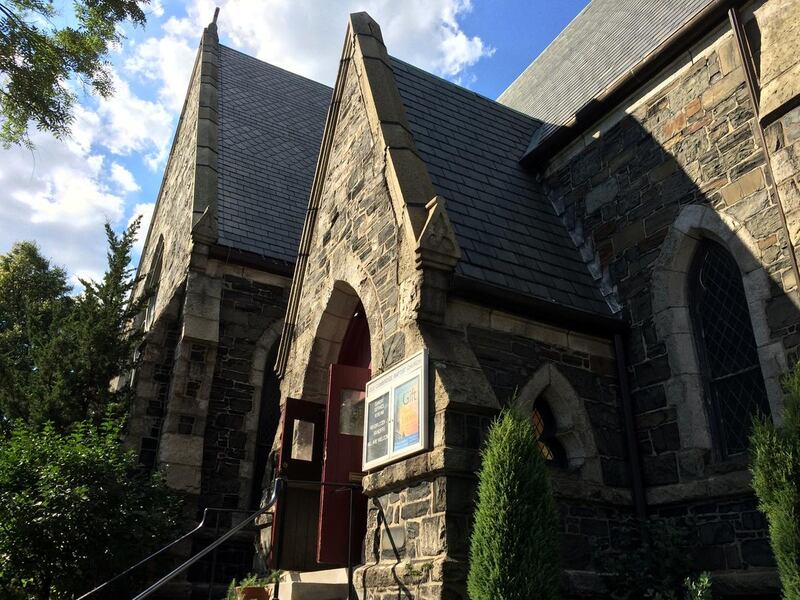
A cramped, rented space below a Baptist church isn’t where most would prefer to run a business — especially one significant as the Homeless Empowerment Project. But for Bell and her co-workers, there is little to complain about.
“I’m here to share what I’ve learned with them (our clients),” said Bell. “We teach them to do positive things. … We want them to become self-sustained entrepreneurs. They won’t just be bouncing from shelter to shelter; we want to help them find a safe, secure place to live.
“If you have a safe, secure, permanent place to live, you don’t even got half the problems [sic] (when you’re homeless),” Bell said.
Referrals from particular HEP board members, like executive director Katie Bennett or co-founder James Shearer, can boost a homeless person’s chances at finding housing or a full-time job, if they’ve worked at HEP as a vendor before.
They still have a long way to go, but Shearer and his staff are doing exactly what they dreamed about — making a change in the lives of the homeless.
Samuel B. Benson and Samuel J. Chechik were students at the Harvard Crimson Advanced Journalism Academy. This article, originally printed in The Crimson, is republished with permission.