

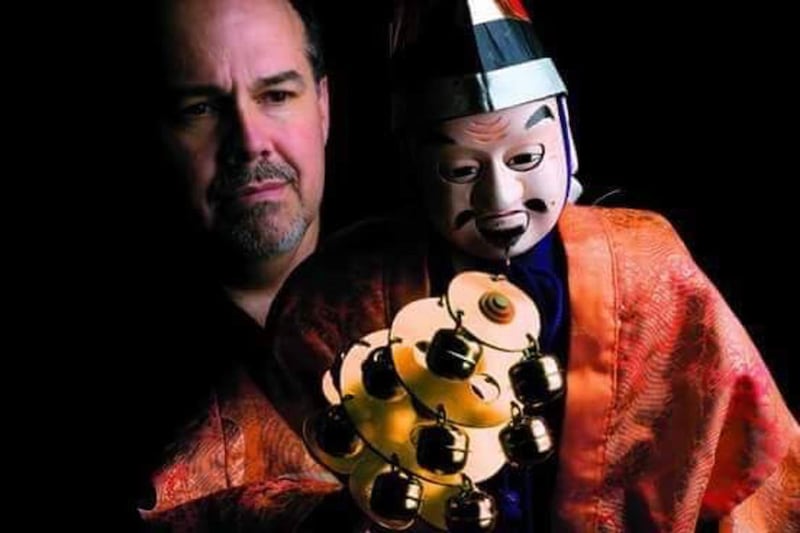


Martin Holman considers himself lucky because at age 59 he is doing the same thing he dreamed of doing when he was 5 years old.
As a young boy he wanted a marionette for Christmas, and within a year he was entertaining his friends on a small puppet stage his father built for him.
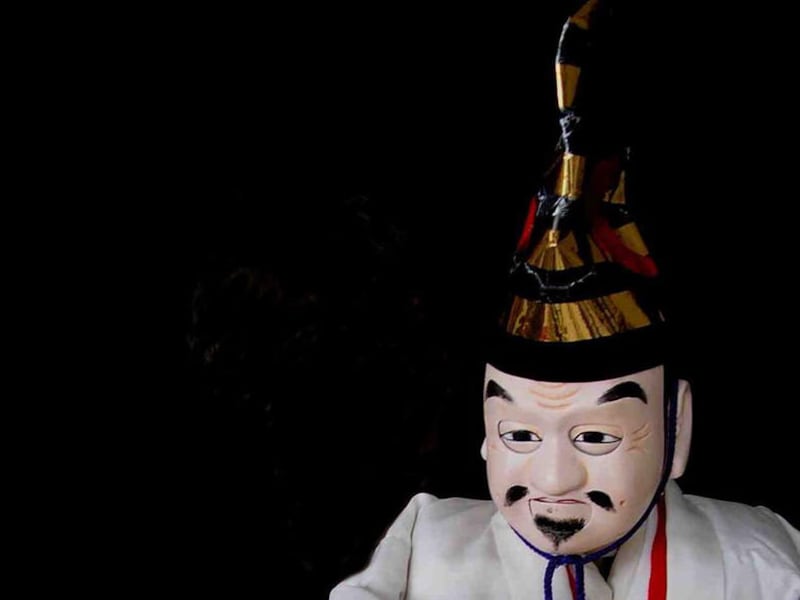
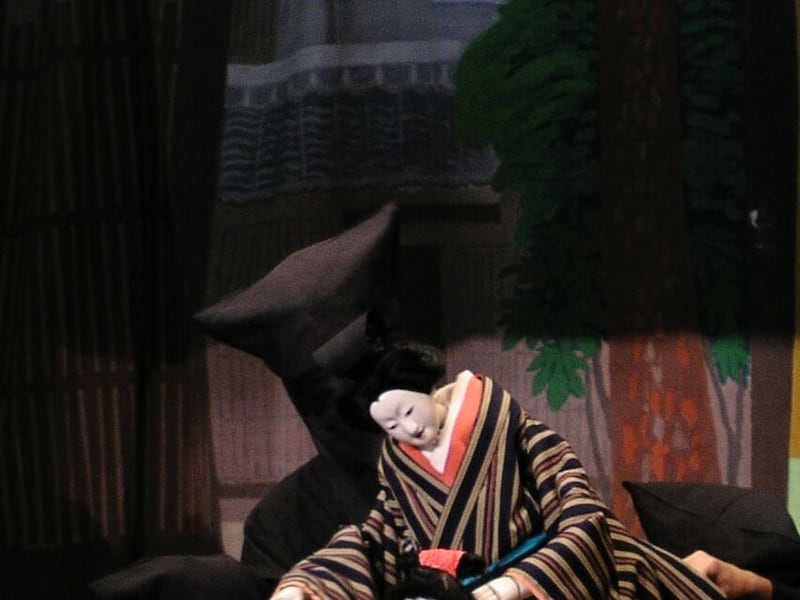
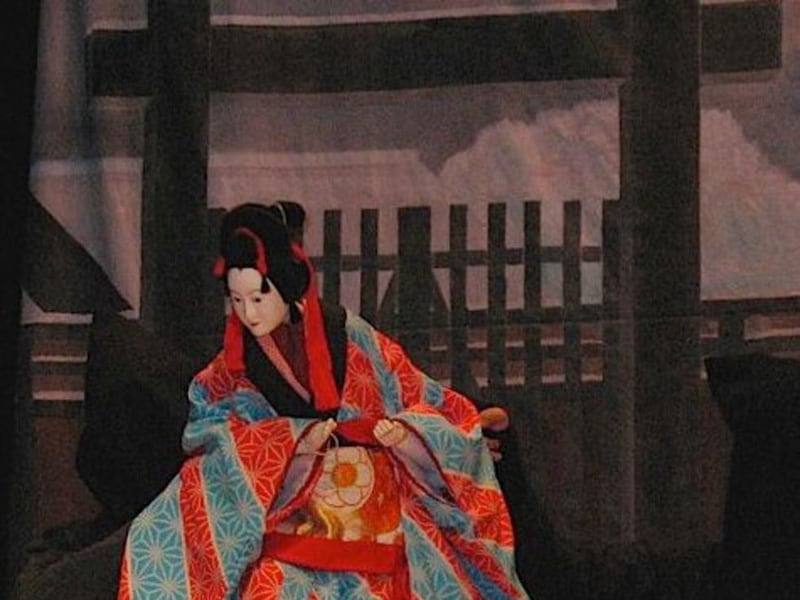
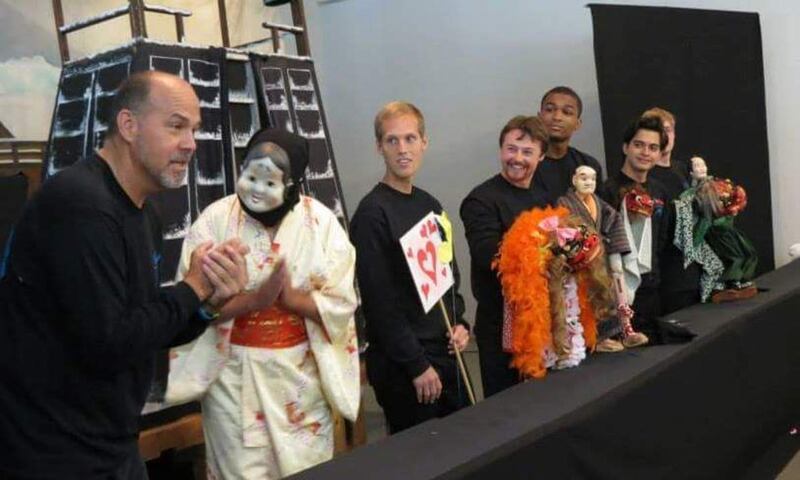
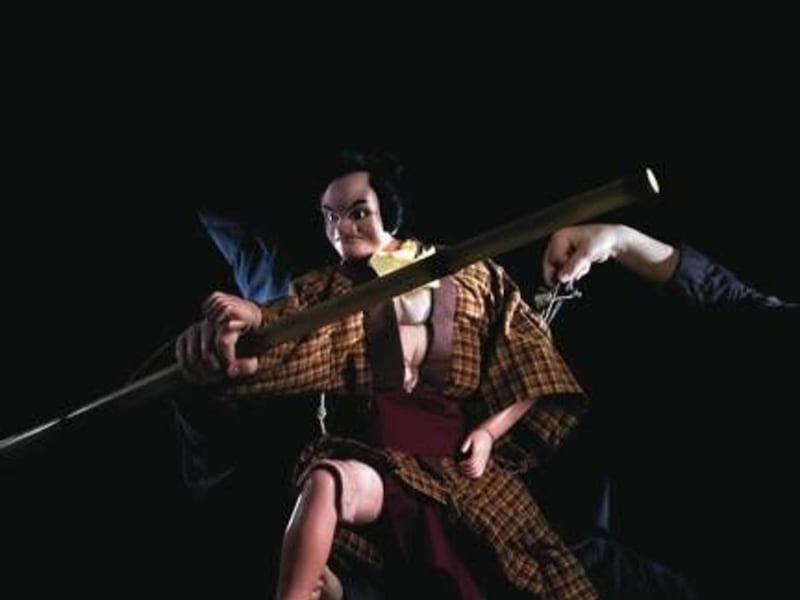
Holman, who is a Brigham Young University alumnus, is now head of a traditional Japanese puppet theater troupe that has received national recognition touring across 34 states and performing at venues such as the Kennedy Center for Performing Arts and the Smithsonian Institution. Most recently, Holman’s Bunraku Bay Puppet Theater Troupe was cast in the short film “Kaiju Bunraku” that is premiering Jan. 20 as part of the Sundance Film Festival.
“Most kids end up playing with puppets at some point in their childhood,” Holman said. “My childhood was extended.”
Introduction to Japanese Puppetry
Although Holman was interested in puppetry as a child, it wasn’t until attending BYU that this developed beyond an interest and into a potential career. During his 1977 fall semester, he enrolled in Professor Harold Oaks' puppetry class — an action met with some surprise from his classmates since he was a biology major. Oaks’ course brought him into the world of traditional Japanese puppetry, and the following year Holman fittingly ended up serving a mission to Japan for The Church of Jesus Christ of Latter-day Saints. This would lead him to change his major to Japanese and immerse himself in Japanese language, history, literature and theater.
Holman became reacquainted with traditional Japanese puppetry years later in 1993 when he was living in Japan as a director of the Japan Center for Michigan Universities. It didn’t take him long to discover that an old traditional puppet theater was close to his home, and he decided to drop in one evening during the troupe’s rehearsal. As he watched, he was fascinated with the traditional style and techniques, as well as the troupe’s large, detailed puppets that were more than 200 years old.
As the rehearsal wrapped up, the troupe members asked Holman if there was anything they could do for him.
Holman still remembers the combination of hesitance and excitement in his voice as he asked the question: “Would you train me as a puppeteer?”
“I thought they would either laugh or roll their eyes or just dismiss me right there," Holman said. “But they said ‘Sure, you start tomorrow. Be here at 7.’”
He began training with them two times a week, and that spring he made his debut not only as the first foreigner to ever train in this theater but also as a “full-fledged member of the troupe," he said.
Sundance Film Festival
Holman now has his own troupe that has been performing onstage regularly for 13 years. The troupe includes around 15 puppeteers who are all former students of his and who also received training in traditional Japanese puppet theaters.
Currently a professor of Japanese language, literature and theater at the University of Missouri, Holman loves teaching as much as he loves puppetry, and he has successfully combined the two as he has brought approximately 200 students to train in the traditional Japanese theater as part of an academic program. One of the greatest joys of his career is watching his former students perform.
He had mixed emotions when he received a call from filmmakers last year, wanting to cast his troupe in a film requiring traditional Japanese puppets.
“I was interested but I also didn’t want to do something that was too outlandish,” he said, “something that kind of violated the tradition. … I didn’t want to rip the puppets from their roots.”
Holman put his concerns aside, faced the project with excitement and, for the first time in his career, took his puppetry off the stage and onto the screen. He appreciates the film because although there is what he calls a “quirky side” to “Kaiju Bunraku,” the puppetry it features is still traditional Japanese.
He plans to attend the film’s premiere in Park City on Jan. 20. The short film was one of 68 selected out of 9,000 entries.
“This is never anything I imagined would happen,” Holman said. “(My troupe) does a lot of performing but it’s all onstage. It’s a different kind of world, but I would do it again.”
Even with all of the traveling and performing he gets to experience, Holman’s favorite part of doing traditional Japanese puppetry is watching the various reactions of American audiences. While the performances are in the traditional Japanese style, he does make selections he believes local audiences will appreciate.
“I’m really interested in having people understand something about Japan, and I think the puppetry is pretty accessible as an art form,” he said. “It’s a way of getting people to recognize the humanity in each other."
Email: lpeterson@deseretnews.com