




Whether it's watching former college players from their favorite team compete for a title or having the ability to take home some cash, The Basketball Tournament is built for the fans.
And this year, there are even more reasons for Utahns to pay attention, with names like Jimmer Fredette and Damian Lillard being a part of the TBT in 2017.
Last year, Team Utah made its own run through the TBT, a 5-on-5 basketball tournament consisting of 64 teams. Now, there are three local teams that could capture the attention of Utahns as basketball players fight for a winning haul of $2 million, which includes $200,000 set aside for fans who can vote (and network) their way to their share of the money.
Here’s a few reasons why Utahns should be paying attention to TBT 2017.
The voting: A little over a week remains on the public voting that will ensure a spot in the field of 64 for the top nine eligible vote-getting teams from each of the four regions — West, Midwest, South and Northeast. The voting ends at 10 a.m. MDT on June 1.
There are three teams of particular interest in the West Region, with their ties to BYU, Utah and Weber State. Currently, Team Fredette sits tied for fourth in West Region voting with 624 votes. Team Utah, making its second appearance, is ninth among eligible teams with 489 fan votes, while The Wasatch Front is 10th at 461 votes.
A team becomes eligible to participate when it has seven or more players and 100 or more votes. Currently, there are two teams in the West with more votes than Team Utah and The Wasatch Front, but they don’t have enough players.
While Team Fredette sits in a strong position to clinch a spot in the 64-team field via the fan vote, Team Utah and The Wasatch Front are on the edge. Right now, The Wasatch Front trails the West Region team with the eighth-most votes, the Broad Street Brawlers, by 37 votes.
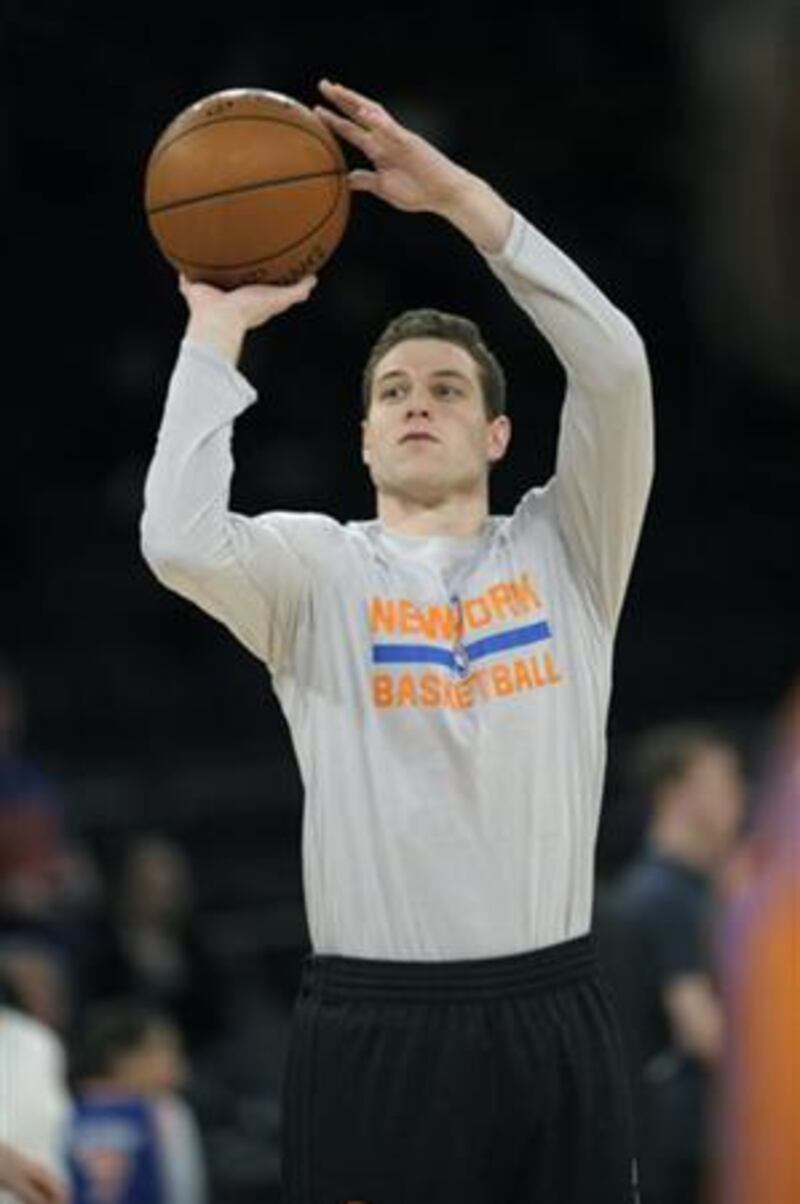
Meet Team Fredette: The team — which is making its TBT debut — features two former BYU basketball players, power forward Brandon Davies and small forward Charles Abouo, with Jimmer Fredette among the team’s coaches. If he chooses to play, Fredette can become a player for the team at a cost after June 1, beginning at $1,000 and increasing as the tournament advances.
Also on the team is former New Mexico small forward standout Darlington Hobson, point guard Jordon Crawford (Bowling Green State), center Sean Finn (Dayton), shooting guard EJ Gallup (Coastal Carolina), power forward Dejan Kravic (Texas Tech) and shooting guard Kyle Spain (San Diego State).
Father Al Fredette and brother TJ Fredette are also listed as coaches, along with Blair Giles, president of the Fredette Family Foundation.

Meet Team Utah: The Utah Alumni team is made up primarily of former Ute players, led by general manager/power forward Shaun Green. It also includes former Utes Lawrence Borha at shooting guard, point guard Tim Drisdom, small forward Bryant Markson and shooting guard Dakarai Tucker.
Also on the team are small forward Justin Hawkins (New Mexico State), who started his college career at Utah, small forward Peter Brown (UVU), shooting guard Richard Chaney (Troy), who also started his college career at Utah, and shooting guard Terence Drisdom (Cal Poly Pomona).
Last year, Team Utah made it all the way to the Super 16 quarterfinals before falling to Team Colorado, a collection of Buffaloes alumni that finished as the runner-up.
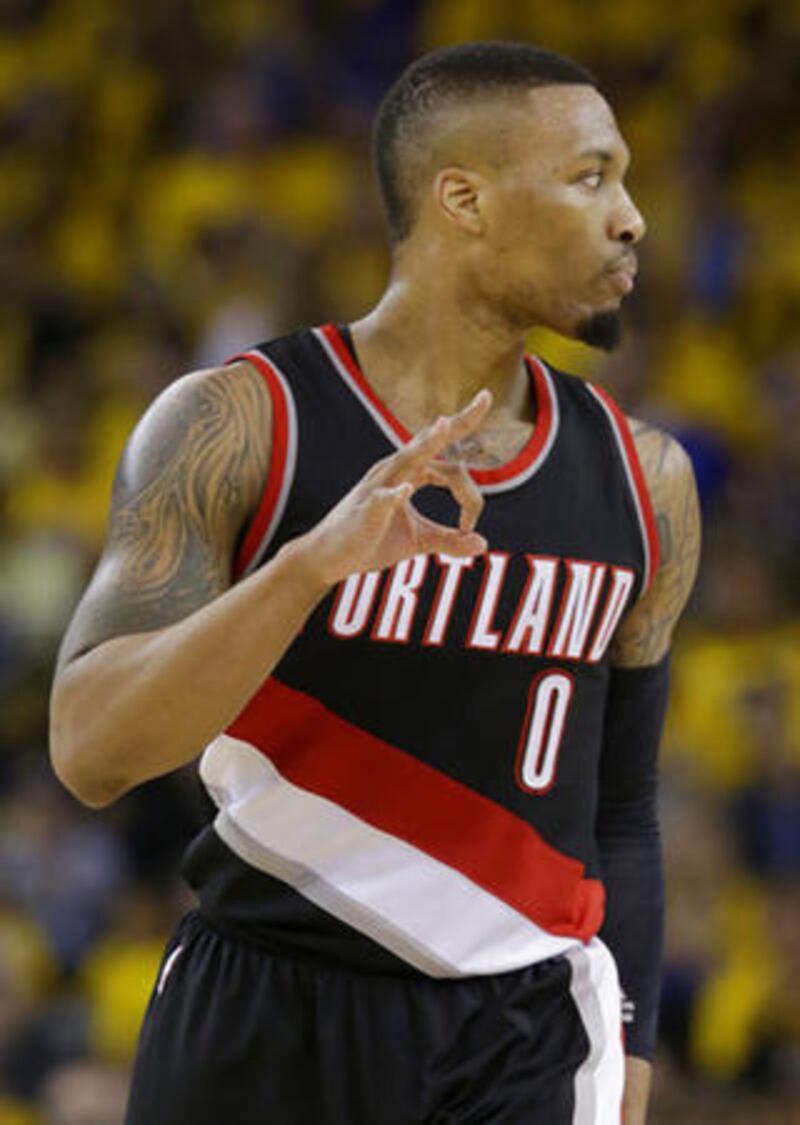
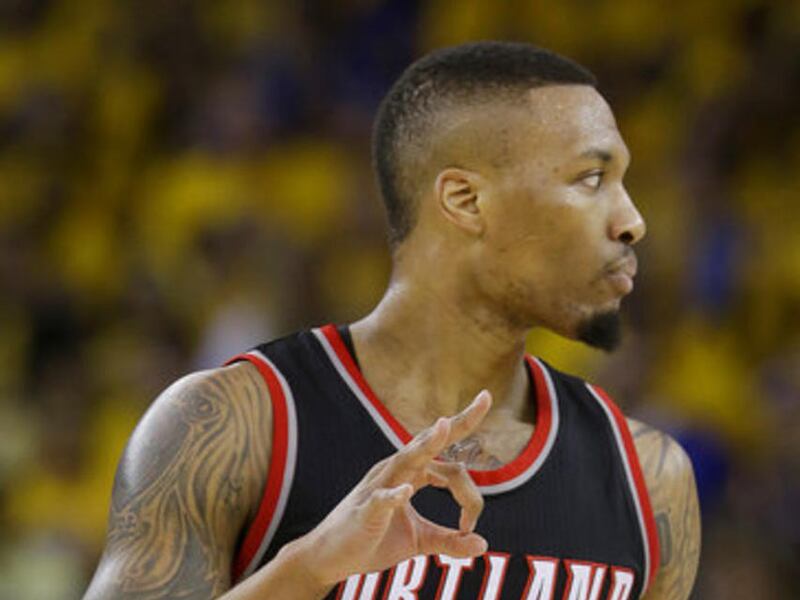
Meet The Wasatch Front: Damian Lillard is serving as one of the coaches for this team, built primarily on Weber State alums.
Former Wildcats on the team include point guard Kellen McCoy (also the team’s GM), shooting guard Scott Bamforth, shooting guard Davion Berry, shooting guard Daviin Davis, center Steve Panos, power forward David Patten, center Kyle Tresnak and point guard Brody Van Brocklin. Former Montana State-Northern point guard Lamar Morinia rounds out the team, which is hoping to make its TBT debut.
How the field is determined: In addition to nine teams from each region automatically making the field via the popular (fan) vote, six additional teams will be chosen “at-large.” These six teams will include the defending champion in each region (in the West, that is Team Colorado) as well as what TBT organizers describe as “the most interesting/notable players, best stories, or people who have played TBT before that we know and respect.”
The final team for each region will then be determined via the new play-in tournament, the TBT Jamboree. It’s a first-come, first-served event with a $5,000 buy-in where up to 16 teams will compete for four spots, one in each region. The Jamboree runs June 17-18 in Philadelphia.
Announcement of the field and schedule: Sixty teams will be announced June 6, with the final four seeds being determined during the Jamboree later in the month.
Regional rounds are as follows:
Northeast: July 8-9 in Philadelphia
South: July 8-9 in Charlotte, N.C.
West: July 15-16 in Las Vegas
Midwest: July 15-16 in Peoria, Illinois
Super 16 is as follows:
First round in New York: July 20-22
Quarterfinals in New York: July 23
Semifinals in Baltimore: Aug. 1
Championship in Baltimore: Aug. 3, 5 p.m. MDT
The Elam Ending rule: There will be a twist to the end of games during the Jamboree, based on research by Nick Elam, a 34-year-old middle school principal and coordinator of a group of Mensa sports fans. After the first dead ball with under four minutes remaining, the clock will be turned off and a “Target Score” determined. To determine the target score, seven points will be added to the leading team’s score, and the first team to the target score wins the game. For example, if one team leads 81-76, the target score would become 88.
The reason Elam developed this system was to try to eliminate intentional fouling at the end of games, which can bog down the end of contests and rarely works. The Jamboree will serve as an experimental way to test how the Elam Ending could be incorporated into basketball. ESPN explains the process and detail behind the Elam Ending in greater detail here.
Other West Region teams of interest: There are plenty of other reasons to follow teams in this year’s field, especially for locals paying attention to the West Region. Here's a few of the most interesting ties:
— Team Pedro’s Posse (former Ute Luke Nevill is on the team)
— The Stickmen (actor Michael Rapoport serves as GM/small forward on a team that also includes former UNLV big man Lou Amundsen)
— Team Colorado (Chauncey Billups is a booster and the team was the runner-up last year)
— Team 23 (was the runner-up in 2015 to Overseas Elite as a No. 13 seed)
— Team Challenge ALS (Atlanta Falcons quarterback Matt Ryan is a booster for the team)
Why voting matters to fans: Cash. Cold hard cash.
Fans can vote for up to four teams and may cast one vote per team prior to June 1 and three times after that date. They also get one additional point each time they recruit someone to vote and 20 points for participating in the TBT Bracket Challenge.
Why does this matter, beyond bragging rights? The top 100 fans (by votes) of the winning team split 10 percent of the team’s $2 million winnings. The top fan vote-getter earns $20,000, the next four receive $10,000 each, the next 15 receive $4,000 each and the next 80 receive $1,000 each.
The favorite: Overseas Elite, which qualifies automatically this year and has won the past two tournaments, earning $3 million in the process, is favored to win again. Notre Dame Fighting Alumni won the inaugural title in 2014.