


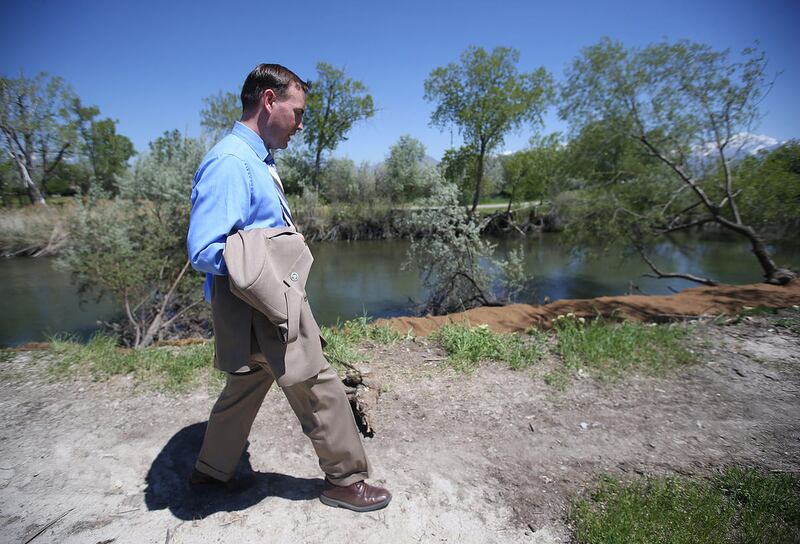
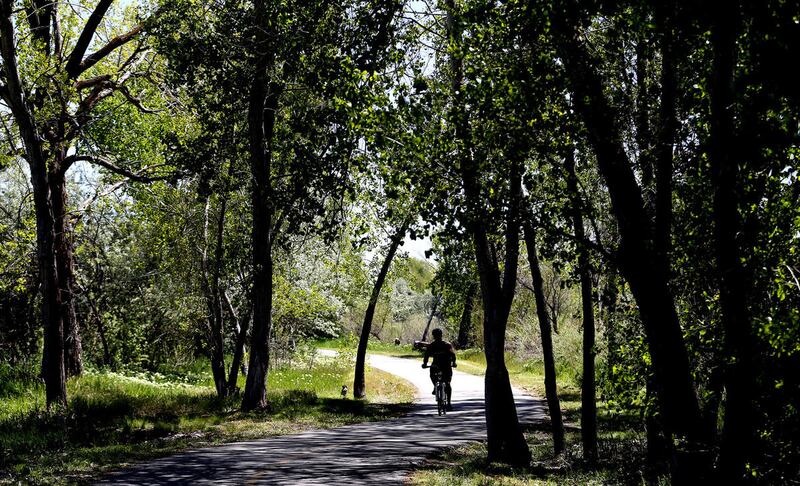
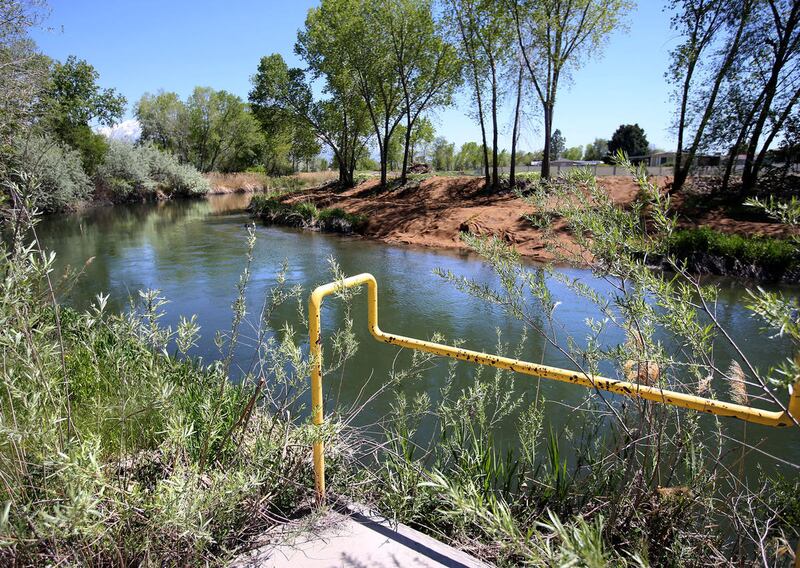
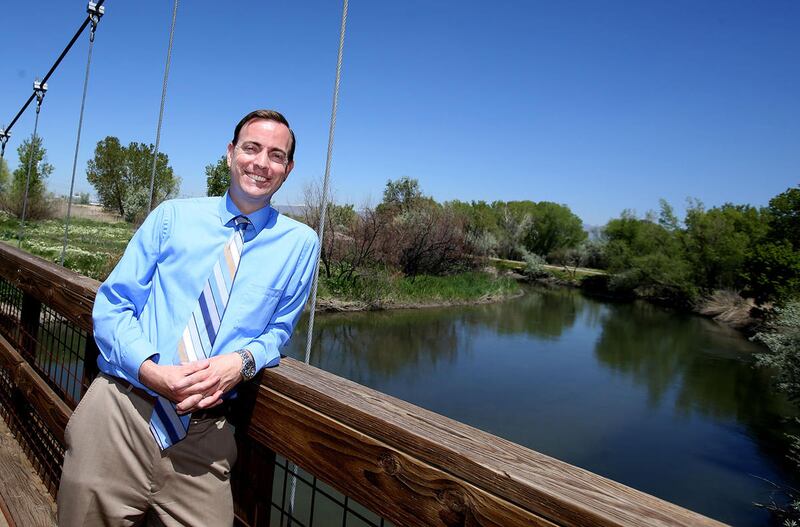

WEST VALLEY CITY — Out of concern for the future of the Jordan River Parkway now that a homeless resource center has been sited near its shores, a Utah lawmaker is looking for ways to protect the river from pollution and illegal camping.
His idea? Turn the Jordan River and its trails into a state park, potentially with managed campsites.
"Can you imagine?" asked Rep. Mike Winder, R-West Valley City. "Urban campsites, trails, boat launches. … This could be one of the most used state parks in the state."
Winder plans to file his bill next week, but there's still a host of details he needs to flesh out before it will be considered in the next legislative session.
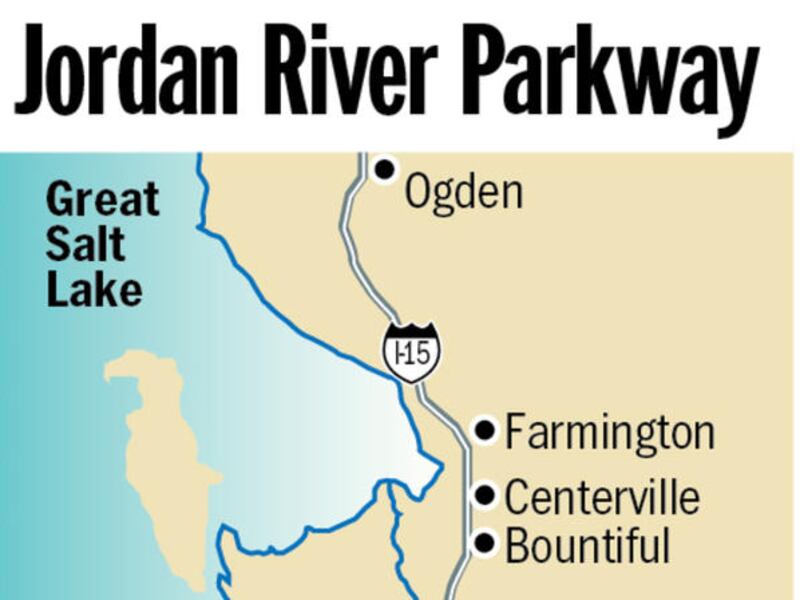
It's not yet clear how far the state park would run, whether it would be a segment of the river in sensitive areas, or the whole corridor between the Utah Lake and Great Salt Lake state parks.
"We're still in the early stages" of the idea, the state lawmaker said.
The concept came to Winder, he said, as he was exploring ways to protect the parkway while maximizing its potential.
"We may dig into it and realize it's a bad idea," he said, "or we may realize, 'Wow, what an opportunity to protect the river.'"
The "impetus" to the bill, Winder said, was the selection of the 3380 South and 1000 West site in South Salt Lake for a new homeless resource center — fanning fears that expensive efforts to revitalize the river and its trails may be jeopardized by the planned facility.
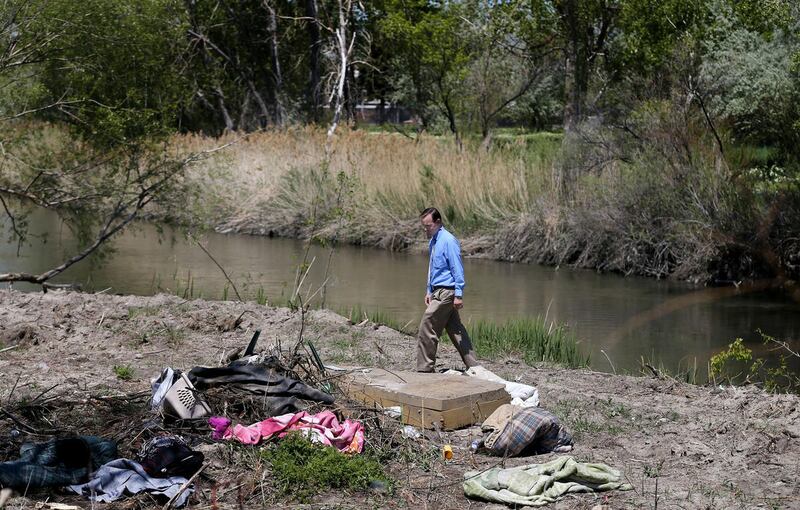
"It's more critical than ever that this (river) becomes a protected asset of the state and not something that is neglected further," Winder said, noting that E. coli contamination has occurred near illegal campsites, and parts of its shorelines have become popular places for drug use, prostitution or a "dumping ground" for trash.
"If we as a state are going to put a homeless resource center so near the river, we need to put some state resources behind it to protect the river," he said.
When Salt Lake County Mayor Ben McAdams selected the South Salt Lake homeless site, he committed to investing in efforts to "leave the Jordan River better than we find it today." One way to do that, Winder said, is to place the river in the hands of an agency he believes would do the best job: Utah State Parks.
"They do such a terrific job," he said. "State parks have their own law enforcement, which would be very helpful along the river."
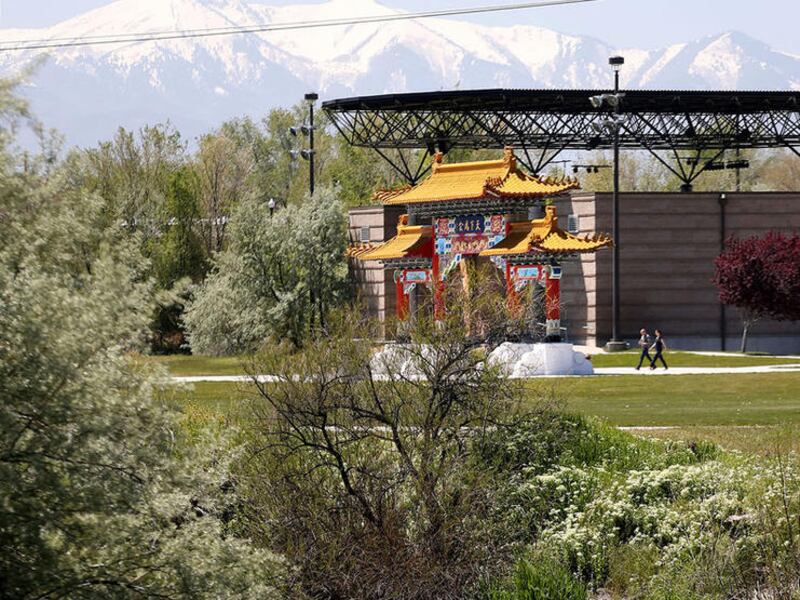
While camping is currently illegal along the Jordan River, Winder said Salt Lake County recently authorized $3 million for the first managed urban campsite along the parkway near the Utah Cultural Celebration Center in West Valley City.
The question, however, is who would manage the campsite, which would require fees, he said.
"Who runs campgrounds all the time and does a great job of it?" Winder said. "Our state parks."
Fred Hayes, Utah Division of Parks and Recreation director, said he first heard of the plan from Winder on Wednesday, adding that he hasn't seen a proposal with "any real meat on it."
But, Hayes said, the idea is worth studying.
"This is a big undertaking. But who knows? I've seen odder things turn into something really cool," he said.
There are some challenges should the state proceed with the proposal, Winder admitted, particularly as it relates to land ownership. The 62 miles along the Jordan River between Utah Lake and Great Salt Lake state parks is a patchwork of jurisdictions across more than a dozen cities.
The state owns the river bottom, Winder said, but it doesn't own the shorelines or the trails.
Rep. Steve Eliason, R-Sandy, said he likes the idea of a state park, but he expects the bill to be complicated and require state money.
"The Legislature would have to fund it," Eliason said, adding that lawmakers provided money for additional police presence around the Midvale homeless shelter this year. "Part of this funding for state parks would literally be funding for homeless services."
Jordan River Commission member and Salt Lake County Councilwoman Aimee Winder Newton, who happens to be Winder's sister, said she's "always interested in new ideas" but would want to know more about what turning the parkway into a state park would mean.
"It's a great concept to explore," Newton said. "I think it will be a great discussion, and we'll see from there if it materialized into something good for the river."
Contributing: Dennis Romboy