


Identifying and interpreting sites associated with the ministry of President David O. McKay of The Church of Jesus Christ of Latter-day Saints presents an unusual challenge because he traveled so widely. The stories could fill volumes. A single yearlong mission in 1921 took him to nearly all the missions in the world, a journey of some 61,000 miles (see "My Father David O. McKay," by David Lawrence McKay, p. 111). Subsequent travels during more than six decades of service as a general authority generated numerous experiences in which he served members of the church and his fellow man in general.
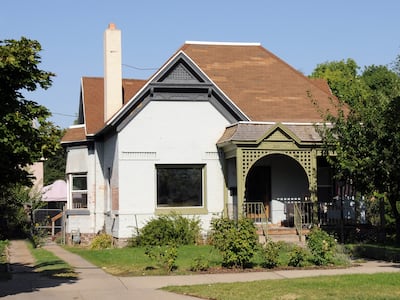
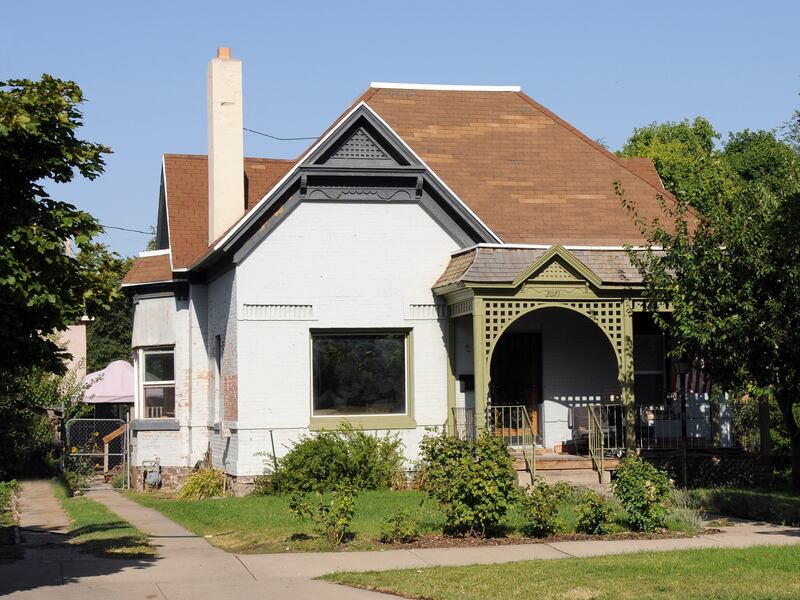
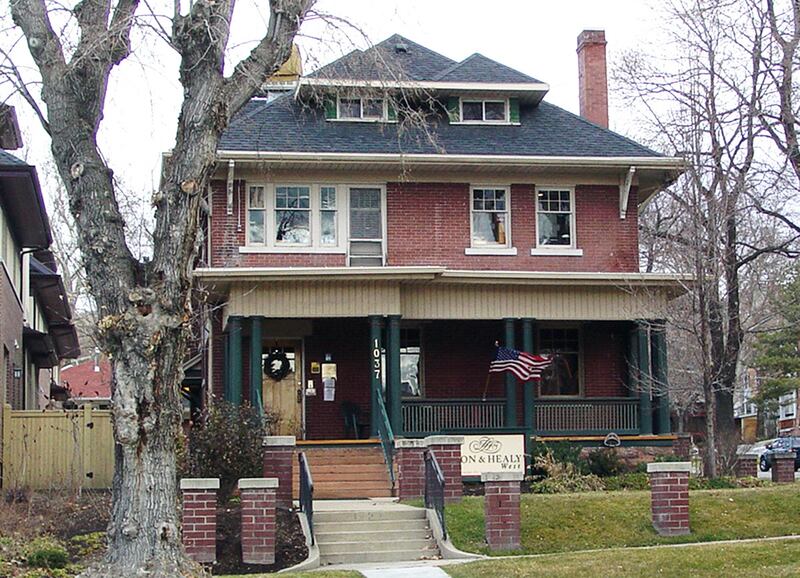
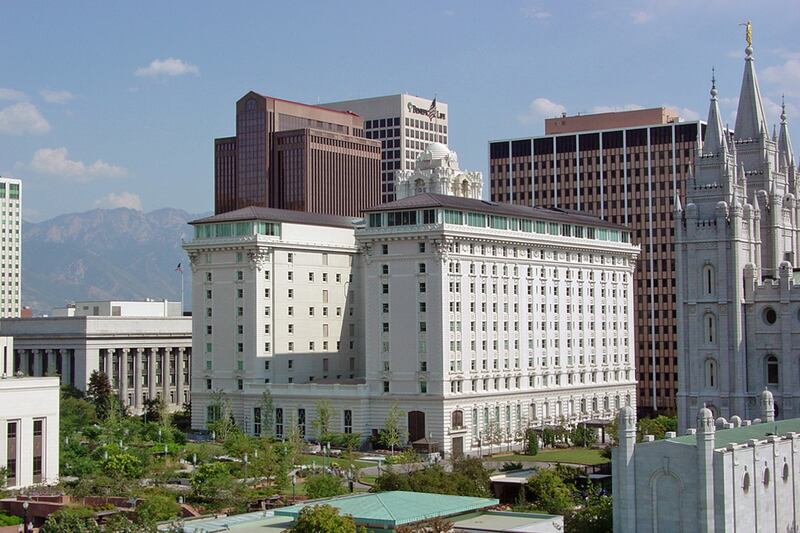
At the time of his call to the Quorum of the Twelve Apostles in 1906, then-Elder McKay was living in Ogden. Eventually that assignment necessitated a move closer to church headquarters in Salt Lake City. Several of the homes where the McKay family lived are still extant in Ogden (see "My Father David O. McKay," p. 109), and in Salt Lake City. His final place of residence was in the Hotel Utah, now the Joseph Smith Memorial Building in Salt Lake City.
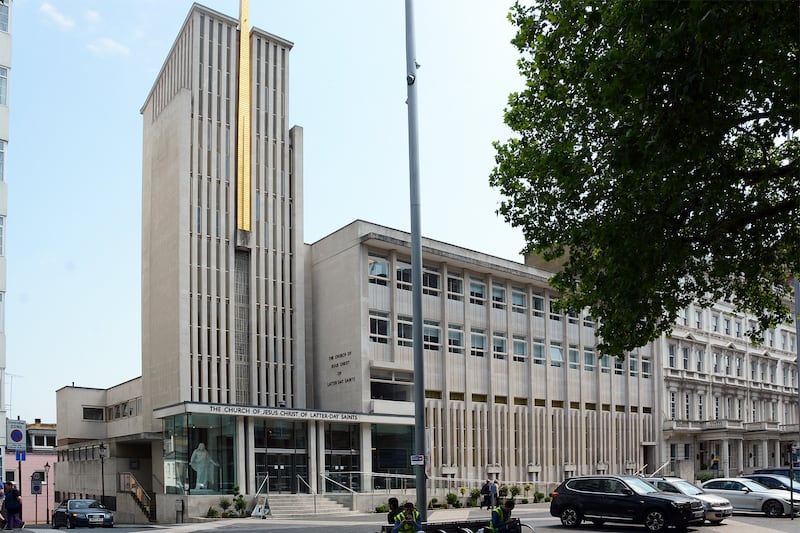
President McKay’s legacy of service includes the dedication of numerous church buildings. One such structure was the Hyde Park Chapel in London, England. When land was acquired for that building, there were no members living within 7 miles of the site. Now the chapel is the center for 2,000 members from 115 countries (see Newsroom United Kingdom, "London Hyde Park Rededication Inspires Hearts," published July 7, 2012). It also serves as a visitors’ center.
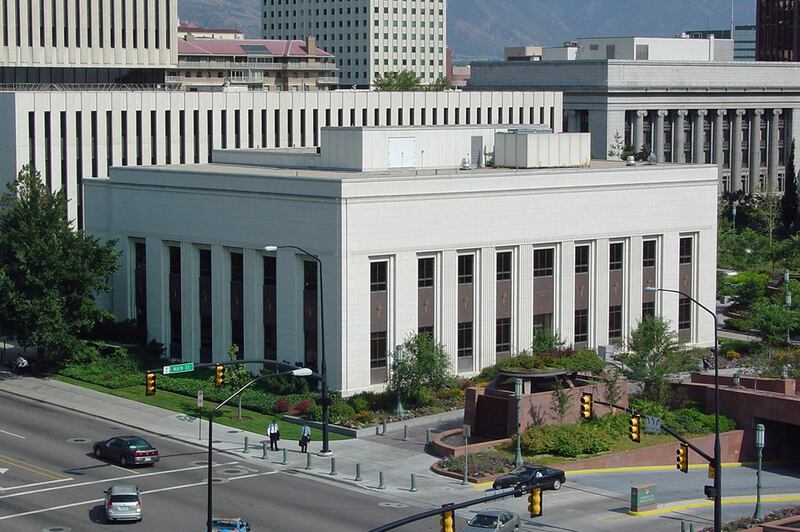
In 1956, President McKay dedicated the Relief Society Building, a structure utilized by sisters called to the presidencies of the Relief Society, Young Women and Primary organizations. He passed away on Jan. 18, 1970, after leading the church for nearly 19 years.