


SOUTH JORDAN — Three years ago, Rio Tinto Kennecott launched a seven-year project to rehabilitate the mountainside altered by decades of mining.
Three-hundred-fifty tons of rock, and $150 million later, the effort to reshape the east-facing, waste-rock piles on Salt Lake Valley's western edge is bringing some green to the area.
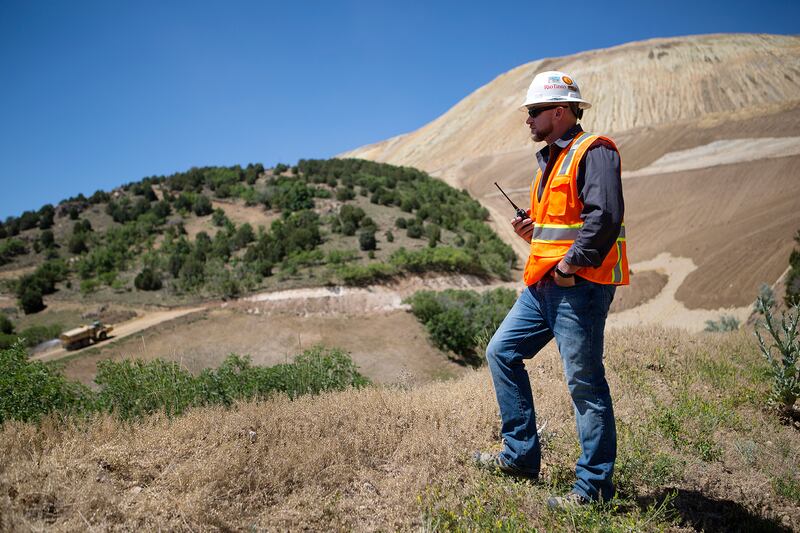
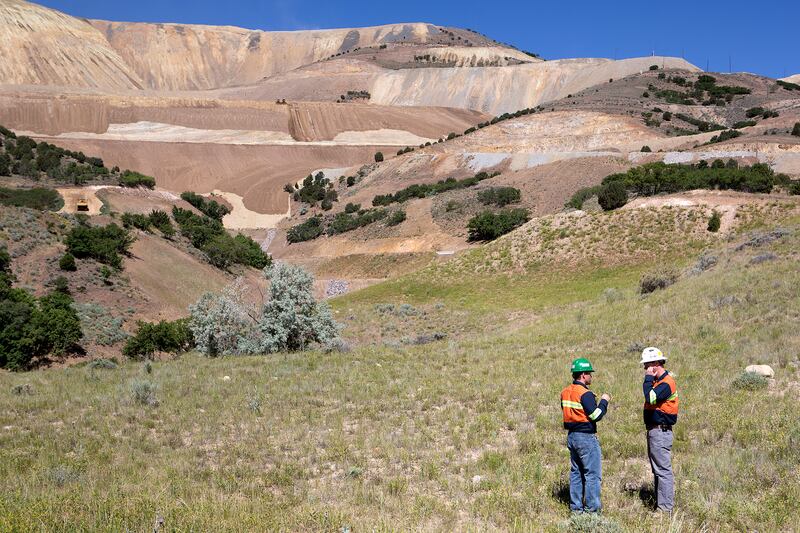
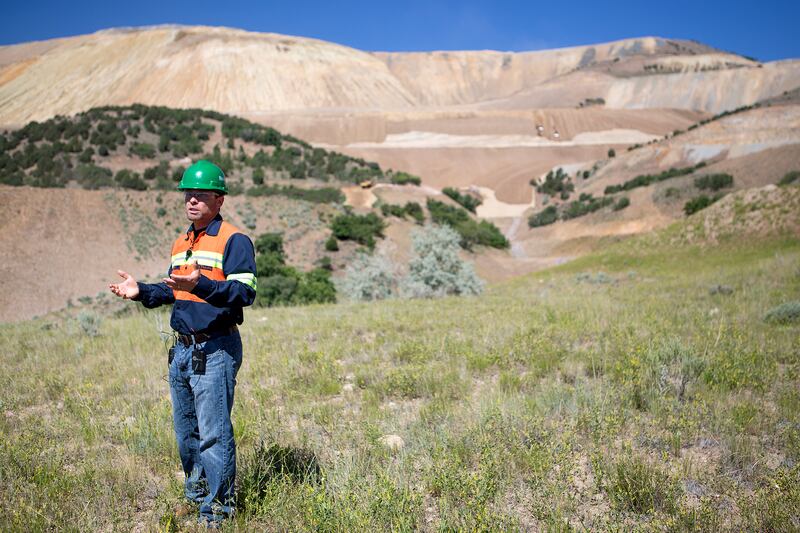
On Friday, Rio Tinto Kennecott officials led a tour to show off work being done to return much of the mountainside at Bingham Canyon Mine — one of the world's largest copper mining operations — to a more natural state.
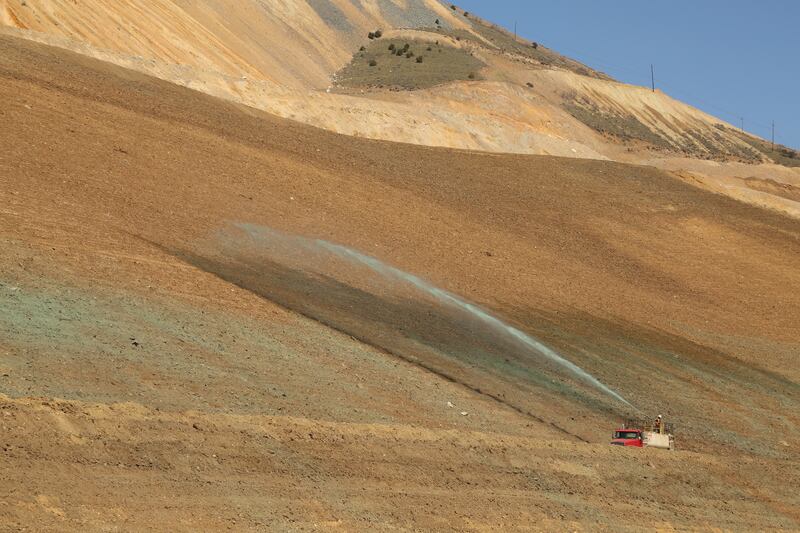
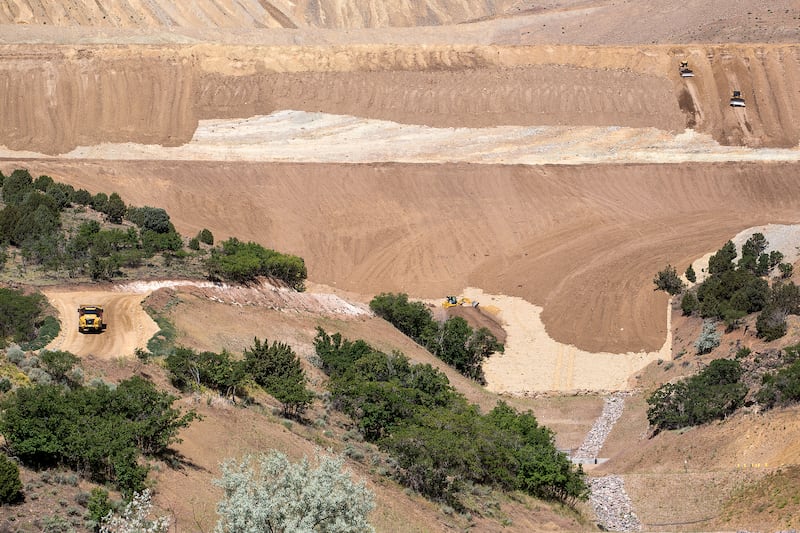
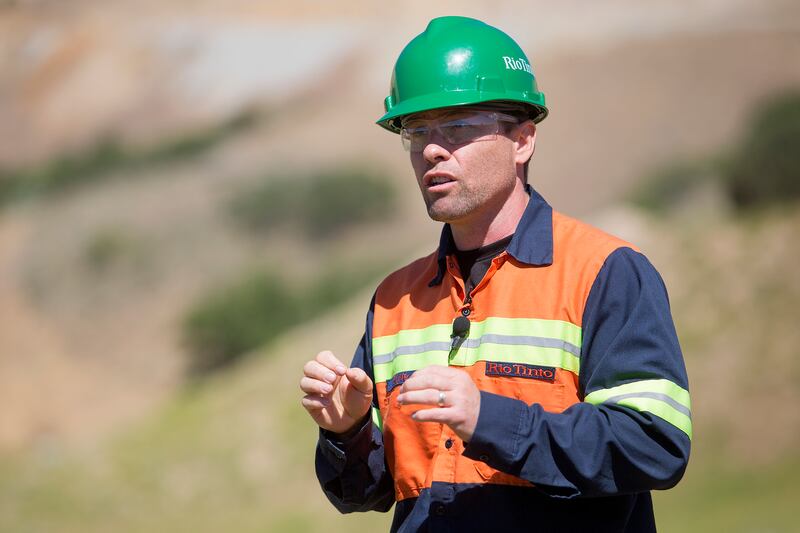
The multiyear Alternative View reclamation project involves strategically moving the south- and east-facing rock piles along the Oquirrh Mountains, explained project manager Zeb Kenyon.
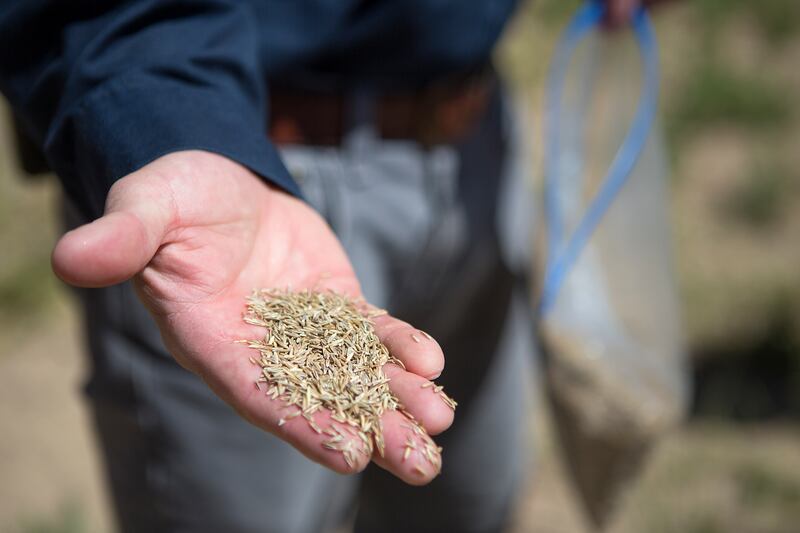
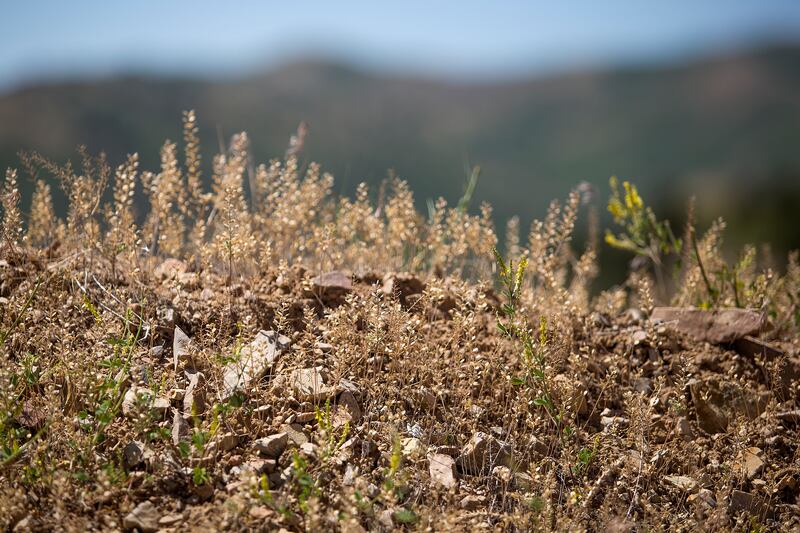
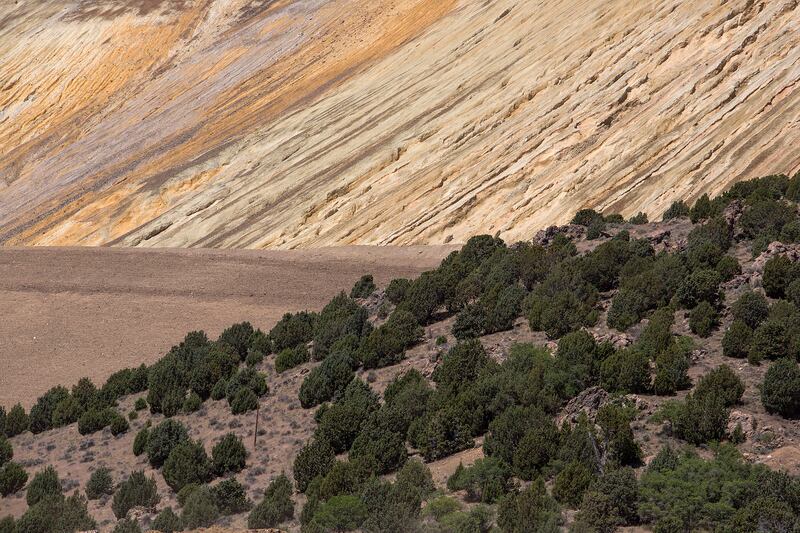
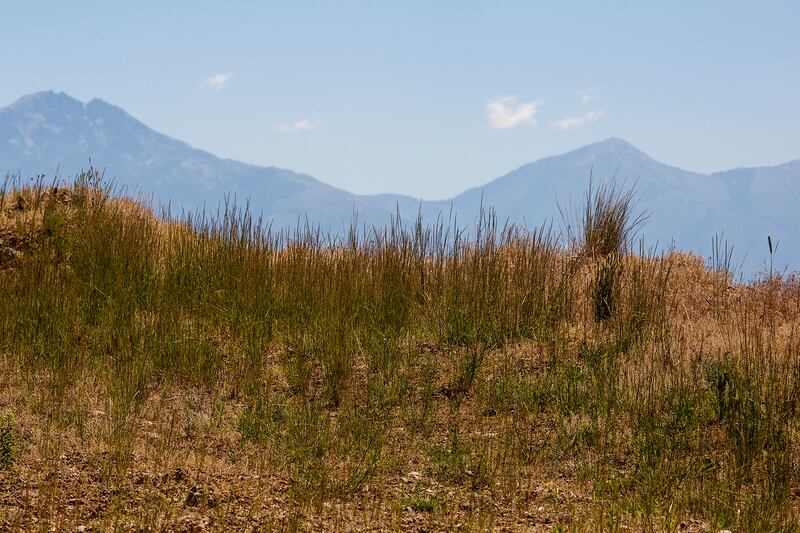
"Reclamation is covering the waste rock dumps with native soils and seeding (to get) native grasses and shrubs to grow so that it looks more similar to the native surroundings," he said.
The project is expected to mitigate potential flood danger in the mine area that can occur after heavy rains, as well as improve the overall look of the granite faces of the mountains, he said.
Since 2015, reclamation has been taking place on the lower-outer face of the mine aimed at enhancing the appearance of areas visible from the Salt Lake Valley and provide options to extend the life of the mine, Kenyon said. For the entire 1,200-acre reclamation effort, it will take 10 years to 12 years to see the eventual fruits of the project's labor, he said.
According to Rio Tinto Kennecott spokesman Kyle Bennett, the company has also updated its stormwater management system by constructing 35 stormwater basins to handle surface water runoff from the waste rock face, he said. The design adds capacity to manage a 100-year, 24-hour rain event, he explained.
"From an operational perspective, it improves our environmental performance," Bennett said. "When you look at reducing (soil) erosion, reducing dust and controlling stormwater runoff, it's really important for us and helps to manage the environmental aspect of our business better."
Kenyon said reclamation has been a priority for the past two decades, with the company spending more than $500 million over those years to mitigate various environmental issues and modernize its mining capabilities, and those efforts are ongoing.
"We're focused on the future and our accountability to the public and to the community," he said.
Over the past 20 years, the company has spent an average of about $5 million on annual reclamation efforts, Bennett said. That financial investment also makes sense from a business perspective, he added.
"It improves our environmental performance and allows us to be more efficient in the operation of the business," he said.
Noting that society, on the whole, will be utilizing more copper in the coming decades than ever before, efforts to make mining for it more environmentally friendly and less costly for the business in the long run will serve everyone's best interest.
"Over the next 50 years, as our society advances (technologically) with electric vehicles, wind turbines (and) solar panels, (it will be) copper that fuels the green revolution," Bennett said. He noted that copper is used in so many facets of everyday life and that use will increase exponentially with the growth that is expected to occur in emerging Third World countries in the years to come.
That growing market need will mean continued robust operations at Bingham Canyon and other large mining operations worldwide, he said.
"What we're doing is supplying the need and the demand for modern life and what it requires," he said.
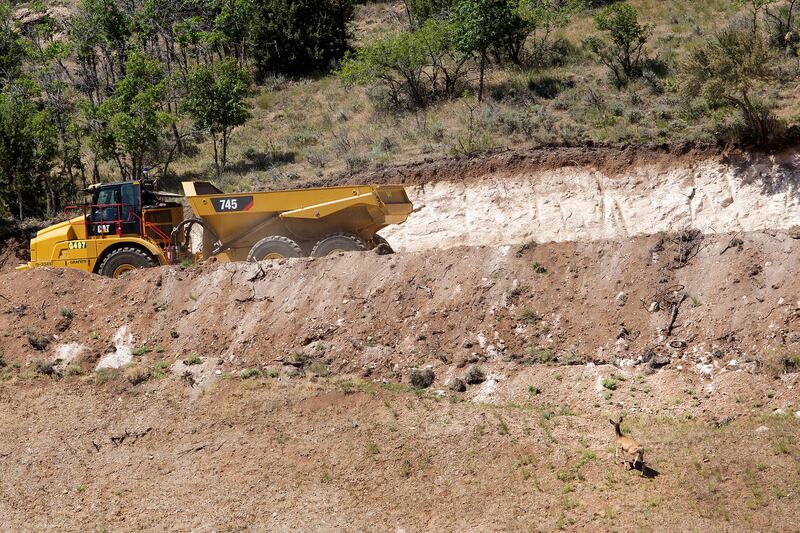
The Salt Lake Valley will benefit in many ways once this project is completed, Kenyon said, not the least of which will be a more aesthetically pleasing western view and better wildlife habitat as well.
"We have significant populations of deer out here, bobcats, elk and it is not uncommon for us to drive by and see a mountain lion sitting on the side of the road," Bennett added. "There is a huge wildlife population and that is a secondary benefit of this project as well."