

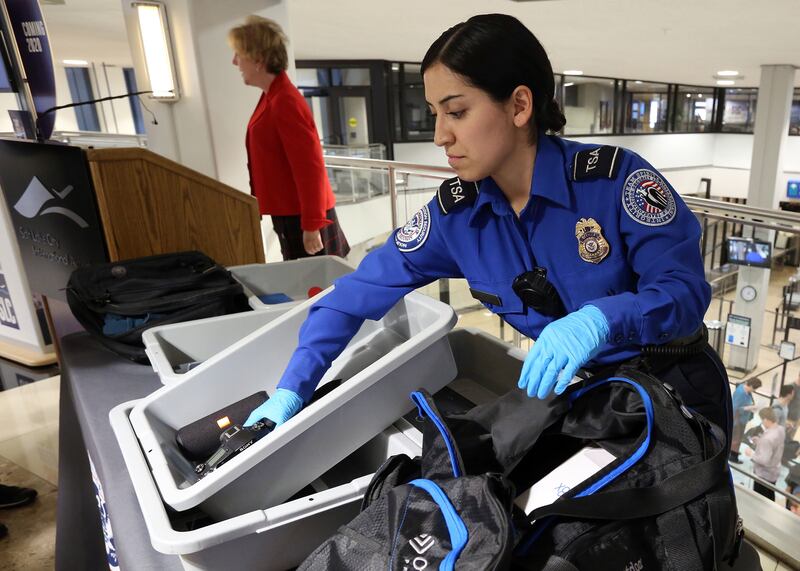
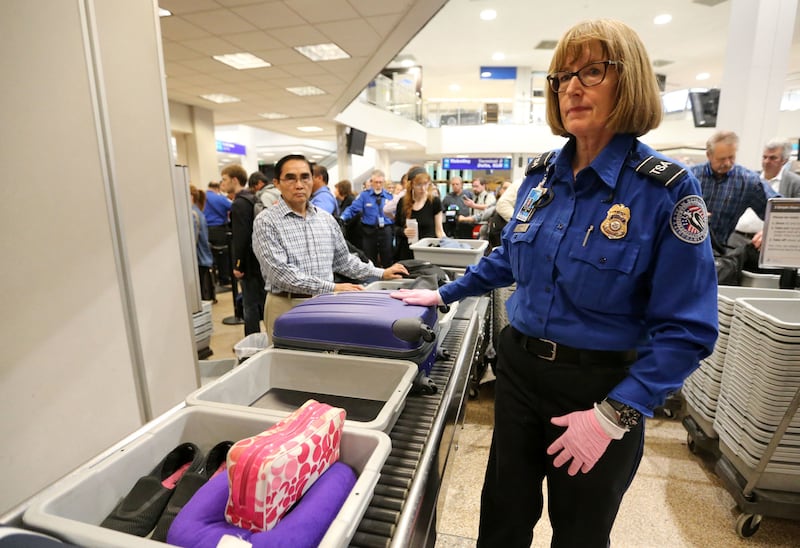


SALT LAKE CITY — The Transportation Security Administration has been quietly using a program called Quiet Skies to take notes on targeted travelers' behaviors, according to multiple reports.
The Boston Globe first reported on the program at the end of July, highlighting an internal TSA bulletin that said the program targets travelers who aren’t on the terrorist watch list and who aren’t currently under investigation.
The TSA does not inform passengers when they’ve been added to the databases or if they’re suspected of any wrongdoings, according to The Globe.
The Quiet Skies list currently contains less than 50 people.
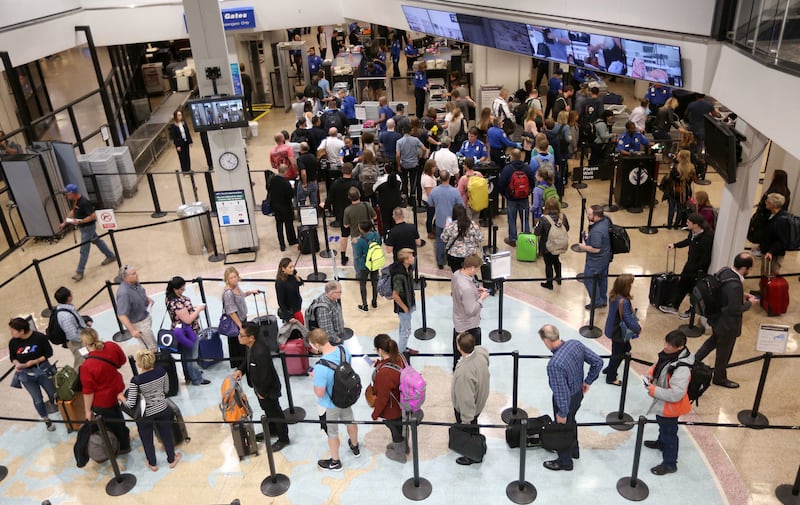
The program will use an algorithm to analyze passenger travel patterns. It will then highlight to air marshals if they should observe the passenger more closely.
TSA’s internal documents revealed that air marshals should observe behaviors such as excessive fidgeting, excessive sweating, cold penetrating stare, wide open, staring eyes, face touching, how much they sleep during a flight and using a smartphone.
The agency denied any racial or religious profiling through the Quiet Skies program.

"With routine reviews and active management via legal, privacy and civil rights and liberties offices, the program is a practical method of keeping another act of terrorism from occurring at 30,000 feet," the agency told BBC News in a statement.
The TSA defended the program in a statement to NPR, saying it is "a practical method of keeping another act of terrorism from occurring at 30,000 feet."
TSA spokeswoman Michelle Negron said the Quiet Skies program "doesn't take into account race and religion, and it is not intended to surveil ordinary Americans."
Air marshals involved in the project expressed worry about the program’s guidelines, questioning whether the program is even legal.
John Casaretti, president of the Air Marshal Association, said in a statement that he doesn’t think the program fits the overall mission of the TSA.
"The American public would be better served if (air marshals) were instead assigned to airport screening and check-in areas so that active shooter events can be swiftly ended, and violations of federal crimes can be properly and consistently addressed," he told the Globe.
Hugh Handeyside, a lawyer with the American Civil Liberties Union's National Security Project, called the project "a big waste of taxpayer money and raises a number of constitutional questions,” according to The Washington Post.
"These concerns and the need for transparency are all the more acute because of TSA's track record of using unreliable and unscientific techniques to screen and monitor travelers who have done nothing wrong," he said.