

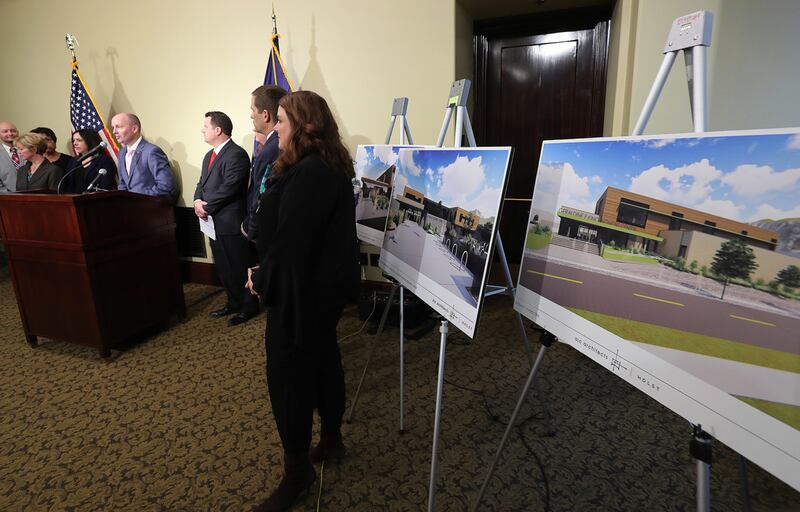
State leaders released a timeline this week outlining transition details for the closure of Salt Lake City’s downtown homeless shelter, as well as new deadlines for the county’s three new resource centers, which are under construction. The mood among stakeholders is optimistic, but will this be enough to make Utah a model for the nation in how to solve homelessness?
The answer depends on a range of factors. However, this much is clear: Managing the homeless population may keep people off the streets at night, but giving the homeless a real chance at changing their lives will take more than a couple of shelters and a few hundred beds.
The goal should always be moving people from the street and into affordable homes while getting them connected to steady work. Those closest to the homeless situation understand this procession and already engage local organizations, housing developers and state programs to make that a reality for some, but much work remains.
The public, also accountable for progress, needs to know the role they play in these efforts. City dwellers, commuters and visitors to Utah’s urban areas should all have access to readily available information that communicates resources and best practices for interacting with homeless populations.
What, for instance, should a resident say when approached late at night by a man looking for a place to sleep? Would that person know the address of the nearest shelter, what time it closes its doors or the quickest way to get there? The city will need a strong network of officers and citizens who know how to help those wandering the streets and get them to a center.
This sort of information could easily be printed on handout cards, posters or signs that dot the city. Cities could also invest in public service campaigns that utilize their avenues of communication.
It’s one thing, of course, for the public to help with physical needs, but more often it’s the simple gift of time that can make the most difference to others. A listening ear and a friendly smile can ease fears or issue a measure of hope.
But how should commuters, in a rush to get to work, stop and engage a stranger on the street in meaningful conversation? That’s for individuals to answer. We hope they come to understand the integral part they play in the overarching solution.
Once people in need do find a shelter, it’s critical they stay safe from drugs or violence. The new resource centers, which comprise a 200-bed women's shelter at 131 E. 700 South, a 200-bed men and women's shelter at 275 Paramount Ave. and a 300-bed men's shelter at 3380 S. 1000 West in South Salt Lake, must not devolve into the criminal environment that plagued the Rio Grande area.
Another concern is whether the new centers would provide enough beds. Leaders report the downtown Road Home's nightly average is 750 people, but a particularly cold night or a local crisis could cause a sharp influx of bed seekers, surpassing capacity. Motel vouchers and overflow beds are available, but it's not hard to imagine a scenario in which those won't be enough.
Utah has a chance to turn these actions into a model for others. Troubling audits of late indicate the state isn’t there yet, but what’s most important is that each step of progress lifts the hands that hang down and helps individuals thrive in a dignified life.