

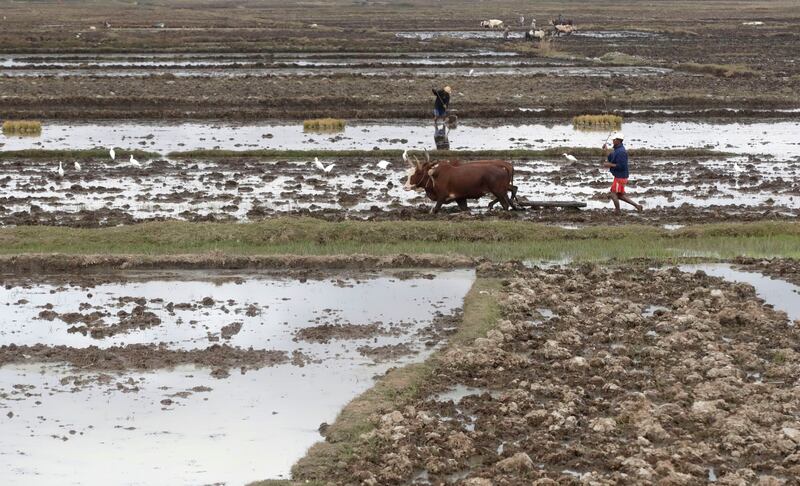

A new study found that hunting may not actually be the biggest threat to animal extinction. The destruction of habitats through farming practices might be more damaging to animal population.
According to a study published Tuesday in the Journal of Scientific Reports, the primary factor in the eradication of large mammals in Madagascar was farming.
During the last millennium, large animals native to Madagascar, such as elephant birds, giant lemurs, pygmy hippos and giant tortoises, have disappeared, the study reports. This is due to a range of factors, including deforestation, competition, disease and drought.
What the researchers highlight is that the presence of humans has impacted animal populations in a multitude of ways, and hunting probably isn’t the main one.
“Our results suggest that occupation and alteration of space, through the burning of forests for introduced grazing species, drove the extinction of large animals on the island, rather than the mere presence of hunters,” Sean Hixon, lead author of the paper, said in a statement, per The Hill.
According to the study, large animal extinction in Madagascar has long been blamed on overhunting and climate change, but these answers don’t explain how animal populations were relatively stable for about a thousand years after human habitation.
Settlers arrived around 2,000 years ago, but extinctions are not documented until the year 1000. As researchers dug for answers, what they found is that as agriculture spiked, populations of elephant birds and lemurs began to drop off the fossil record.
Agricultural practices, such as burning large forests to open up new fields, wiping out green corridors and other forms of landscape transformation, destroyed the natural habitats of these animals, making it difficult for them to survive, the study reports.
As animal habitats shrink, it is important that green corridors do not become divided. The Center for Biological Diversity calls this “habitat connectivity.” Large agricultural developments, roads and urban infrastructure can be major barriers for wildlife.
This fragmentation can limit wildlife and make finding food, shelter and mates increasingly difficult. When the mating population shrinks, animals resort to inbreeding, which increases the likelihood of birth defects and vulnerability to disease.
This is not an issue exclusive to Madagascar. According to The Center for Biological Diversity, during the 1990s, Florida panthers had a population of fewer than 30, due to habitat loss. These panthers were suffering from disease, genetic defects and low reproductive success. “But after the introduction of eight female mountain lions from Texas, a gene pool historically connected with Florida panthers, the population has shown some recovery, with an estimated 230 panthers in 2017,” the center said.