


Britain’s controversial plan to gradually outlaw cigarettes is aimed at improving public health. But if Prime Minister Rishi Sunak and his party pull it off like New Zealand did last year, there will be an adjacent benefit to society that few people are talking about: less trash on the side of the road.
Cigarettes are the most common form of litter in the world, not just on land, but in the ocean. Most contain filters made of cellulose acetate, which break into smaller pieces over time, but don’t decompose completely; according to the National Oceanic and Atmospheric Administration, “one solid filter ends up being thousands of tiny microplastics.”
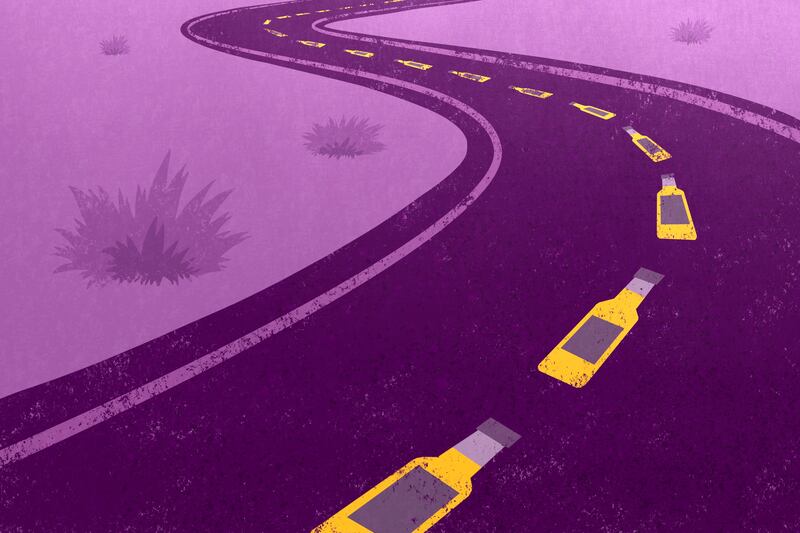
But tobacco-related debris, of course, is only part of the problem when it comes to roadside trash. After cigarette butts, the most common litter is discarded food packaging and alcohol bottles, especially in states where single-serving bottles of liquor are legal. These miniature bottles, also known as “shooters” or “nips,” are becoming such a problem that many communities are trying to ban them.
One might say that, apart from the proven health risks of drinking and smoking, the wages of sin are trash. And our vices are on full display on the side of the road.
Last year in Rhode Island, for example, a three-month campaign called “the Great Nip Pickup Challenge” brought in more than 85,000 of the tiny alcohol bottles. It was, according to coverage in The Providence Journal, a sort of informal survey of the most popular alcoholic drinks in the state: “Smirnoff vodka in root beer and pink lemonade flavors, Skrewball peanut butter whiskey, Dr. McGillicuddy’s wild grape liqueur and Fireball cinnamon whiskey.”
You can learn a lot about people from what they discard. But to see it, you have to be close. The staggering amount of roadside litter is not always evident from a car, but obvious to anyone who regularly traverses roads on foot or bicycle.
And despite our efforts to clean it up — from adopt-a-road programs to putting inmates to work — there is always a fresh supply for people who single-handedly try to clean up the messes of others, like the Maryland man who walks 12 miles a day picking up trash in Washington, D.C., and the humorist David Sedaris, who has picked up so much litter on the side of the road that a town in the U.K. named a garbage truck after him. Then there are people who pick up trash while exercising, a practice of double virtue that has been dubbed “plogging.”
It’s tempting to divide humans into two categories: the kind of people who have no moral qualms about making the world messier, and the kind of people who spend their free time making it cleaner and safer for wildlife. But the nature of roadside trash — and the addictiveness of the products within the containers being tossed — suggest that some mercy is in order. People aren’t tossing bottles of alcohol and vape pens out their car windows simply to keep their cars tidy; they’re getting rid of evidence, so to speak.
There is, of course, plenty of litter unrelated to vices: water bottles are plentiful, and face masks were, too, for a while, according to a 2020 report from Keep America Beautiful. But the report notes, “There is twice as much litter from alcoholic beverage containers as from non-alcoholic beverage containers,” and beer trash by far exceeds soda trash. In one study, there were more than 480 million beer containers found on the side of the road, compared to 16 million soda containers.
As for the solution, well, much of the public conversation has to do with either educating the public about littering or enforcing littering laws. In addition to cities banning nips, there’s also some evidence that bottle deposits are associated with lower amounts of roadside trash. But, of course, what would really make the biggest difference when it comes to roadside trash is fewer of us smoking and drinking.
There has already been a marked decline in cigarette-related litter dating to 2009; according to Keep America Beautiful, the decline can’t all be explained by the decline in smoking generally, but some of it clearly is. And the societal turn against smoking can reduce tobacco-related trash in other ways; smoking cigarettes in your car, for example, can reduce its resale value, which is an incentive for smokers to wait to light up until they get home.
Similarly, the growing number of young Americans who are shunning alcohol for health reasons may soon be responsible for a similar decline in beer container trash. Until then, our roadsides remain a testament to our vices.