

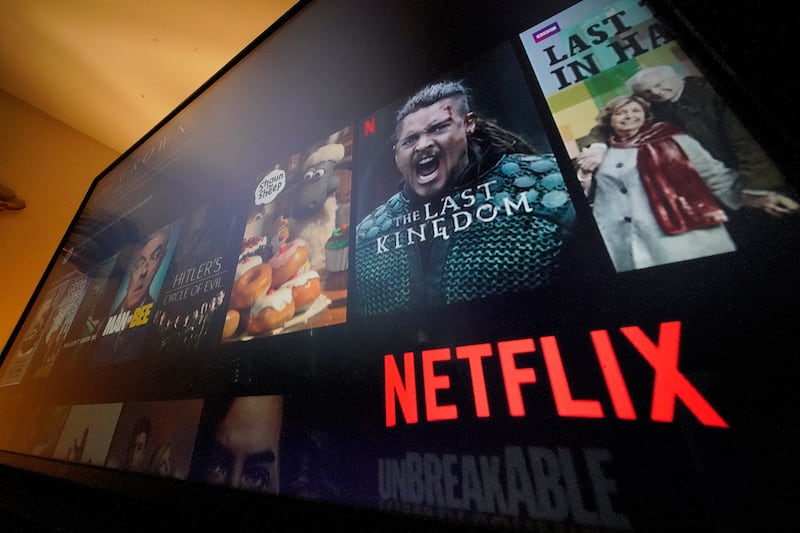

Netflix is making a new pitch to subscribers: Don’t leave the app when you’re not in the mood for a movie.
iHeartMedia announced Tuesday that it has signed an exclusive video podcast partnership with Netflix, bringing more than 15 of iHeart’s most popular shows to the streaming service in the U.S. starting in early 2026, with additional countries expected later.
The arrangement doesn’t create a “Netflix podcast app,” and it doesn’t replace iHeartRadio. Instead, it redraws where video podcasts live — treating many of them less like audio programs and more like low-cost, high-frequency “shows” Netflix can advertise alongside its traditional catalog.
What Netflix is doing with iHeartRadio
The key detail is the split of rights:
- Netflix gets the exclusive video versions of the podcasts included in the deal.
- iHeart keeps the audio-only rights and distribution, meaning the podcasts will continue to be available on iHeartRadio and other platforms for listeners who prefer audio.
A direct play against YouTube
That distinction matters because video podcasting has been one of the internet’s growing habits: YouTube has become the default “podcast platform” for the majority of Americans, even when they think of podcasts as audio, per Edison Research.
Under the Netflix-iHeart deal, iHeart confirmed that full video episodes will no longer be available in their entirety on YouTube, a shift that shows what Netflix could really be buying: attention that currently flows to Google’s platform.
Which shows are coming
The iHeartMedia announcement lists a lineup that includes widely known titles across true crime, talk, comedy and culture — including “My Favorite Murder,” “The Breakfast Club,” and “The Psychology of Your 20s.”
“The Breakfast Club” has surpassed 1 billion downloads and has 6 million subscribers on YouTube, far more than any of the other podcasts that Netflix will inherit.
Lauren Smith, Netflix’s vice president of content licensing and programming strategy, said in the statement that the partnership is designed to deliver “unmatched variety” for members, pointing to the mix of true crime, radio personalities and comedy in the initial collection.
Why Netflix is moving now
Netflix’s push isn’t a one-off experiment. It’s the second major podcast distribution move the company has made in recent months as it builds out a video podcast lane.
In October, Spotify announced a distribution teamup with Netflix that will bring a selection of Spotify video podcasts to Netflix in early 2026 — another sign that Netflix is assembling a broader category on its service.
In that release, Smith said, “As video podcasts continue to grow in popularity, our partnership with Spotify allows us to bring full video versions of these top shows to both Netflix and Spotify audiences. ... This curated selection of video podcasts adds fresh voices and new perspectives to Netflix, making our entertainment lineup more exciting than ever.”
Instead of building a podcast ecosystem from scratch, it’s licensing proven shows with existing audiences — and betting that the Netflix home screen can turn podcasts into another reliable habit.
What changes for listeners
For viewers, the immediate change could be convenience. Video podcasts will show up where many people already spend their entertainment time. But Netflix requires a subscription, and YouTube does not. Some users could be prevented from watching their favorite shows if they don’t yet have a subscription.
There’s also a content shift that families may notice. Podcasts are often looser than traditional TV — more off-the-cuff, more confessional. Some are more explicit, as podcasts don’t have a parental guidance rating system like TV shows or movies.
The growing space for video also means that for many podcasters, shows can mean two things:
- An audio feed designed for commutes and errands.
- A video-first version built for living rooms, second screens and social clips
The tradeoff for creators: Stability vs. reach
There’s a reason YouTube has been hard to dethrone: it offers global reach, built-in discovery and advertising infrastructure — plus, it’s free for users and creators.
Pulling full episodes off YouTube in exchange for exclusivity can offer creators a more predictable licensing arrangement — but it may also reduce the open-ended audience growth that comes from the world’s largest video site.
Business Insider noted that Netflix is framing video podcasts as a way to keep viewers on-platform more consistently, and reported that the company is building a bigger slate of these programs than a deal or two would suggest.