

The grandson of the inventor of Reese’s Peanut Butter Cups is accusing The Hershey Co. of damaging the brand’s legacy by substituting cheaper ingredients for the candy’s original milk chocolate and peanut butter recipe.
In an open letter posted to LinkedIn, Brad Reese claimed the identity of the brand is being “rewritten” by corporate decisions to use compound coatings and peanut-butter-style crèmes.
“How does The Hershey Company continue to position Reese’s as its flagship brand, a symbol of trust, quality and leadership, while quietly replacing the very ingredients (Milk Chocolate + Peanut Butter) that built Reese’s trust in the first place?” Reese wrote.
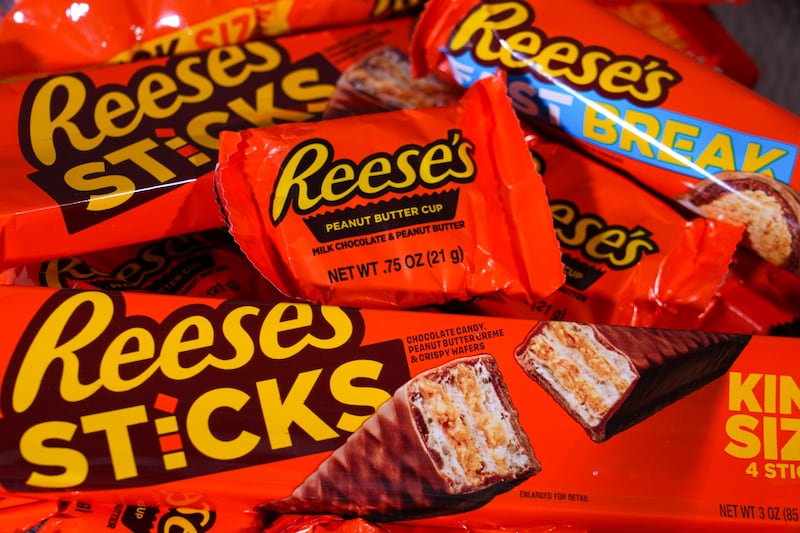
Reese noted he recently threw out a bag of Reese’s Mini Hearts, after the packaging said the candies contained “chocolate candy and peanut butter crème” rather than milk chocolate and peanut butter.
The Hershey Company defends ‘innovation’
Hershey responded to the criticism by saying its “iconic Reese’s Peanut Butter Cups are made the same way they always have been.”
The company attributed recipe changes in other products to the demands of new shapes and sizes. “We make product recipe adjustments that allow us to make new shapes, sizes and innovations that Reese’s fans have come to love and ask for, while always protecting the essence of what makes Reese’s unique and special: the perfect combination of chocolate and peanut butter,” the company said.
However, in an interview with The Associated Press, Reese called some of the newer iterations “not edible.”
“You have to understand. I used to eat a Reese’s product every day. This is very devastating for me,” Reese said. “I absolutely believe in innovation, but my preference is innovation with quality.”
Chocolate crème vs. milk chocolate
This dispute is highlighting a food industry practice of using labels like “chocolate candy” to sidestep strict federal definitions. Under U.S. Food and Drug Administration guidelines, for chocolate to be considered “milk chocolate,” it must contain at least 10% chocolate liquor, 12% milk solids and 3.39% milk fat.
If a product does not meet these requirements, it cannot be labeled as “milk chocolate.”
Wording on packaging is a way companies sidestep those rules. For example, on Hershey’s Mr. Goodbar, the words “chocolate candy” are written on the wrapper instead of “milk chocolate.”
Reese noted in his interview with The Associated Press that the “White Reese’s,” originally launched in late 2003 and marketed as white chocolate, is now labeled as “white crème.”
Reese also claimed that products sold in Europe and the United Kingdom differ from U.S. versions. Hershey disputed this, stating recipes are consistent globally, though labels vary to comply with stricter European cocoa and milk solid requirements.
Social media responds
The open letter has resonated with consumers on LinkedIn and X, where many users claim the candy’s flavor profile has changed.
Commenters compared the modern filling to “protein powder peanut butter,” with some stating the product is no longer “like the stuff from the 1990s.” The frustration has even driven some fans toward competitors — several users expressed a preference for MrBeast’s Feastables peanut butter bars over the traditional Reese’s.
Many others took to X to express their own dismay and love for the chocolate peanut butter candy combo.
Several others jumped to the defense of the innovator’s grandson, with one commenter writing, “Reese’s don’t taste like they used to.”