

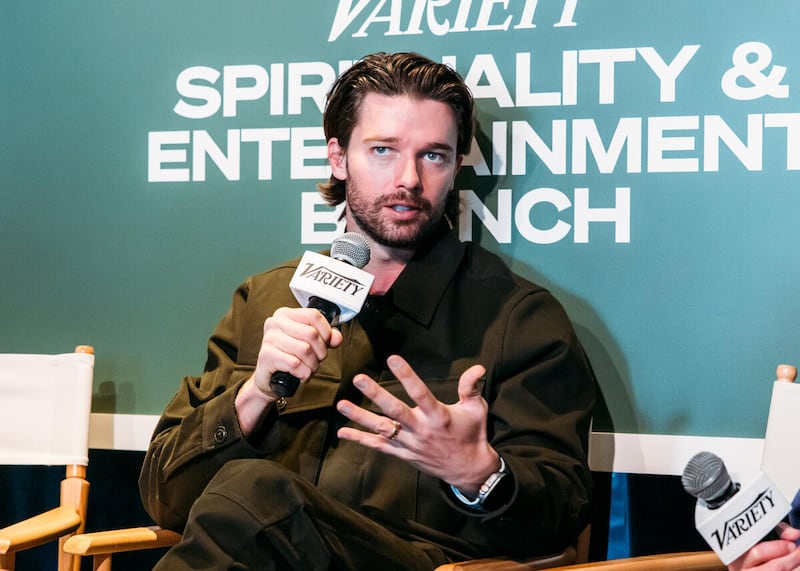

Even with a microphone, Variety Magazine’s co-editor struggled Friday to start the Spirituality and Entertainment brunch in a Park City restaurant filling up with Sundance Film Festivalgoers.
The racket inside the Handle was caused by a crowd that was standing-room only when the doors shut on a line of dozens more.
Those who were late missed the release of a new study that used science-based audience research to do two new things:
- First, the HarrisX researchers used first-of-its-kind evaluation tools to identify the 10 faith-related TV and movie scenes that resonated most powerfully with audiences.
- Secondly, they created a road map for writers, directors and producers who are learning that most viewers want to see faith portrayed on screen more naturally, more accurately and without stereotyping.
The top 10 scenes are from award-winning and high-grossing shows and movies — projects that found success and made money, the report’s producers and backers said.
For example, the No. 1 scene to resonate with viewers in more than 12,000 interviews conducted last fall was from “The Pitt,” which won five Emmys last fall. In the scene, a supervisor who had repeated Judaism’s Shema prayer during a panic attack thanks an intern who found him and provided support.
(The full list of the top 10 scenes is at the bottom of this article.)
The discussion between co-workers feels natural, normal and authentic, said Brooke Zaugg, executive director of the Faith and Media Initiative, a group seeking to help creators present accurate, balanced representation of all faiths in news and entertainment.
The study showed that audiences want to see portrayals of faith in real people facing real stakes.
“We don’t want people to think these scenes are niche or obscure or on the edge,” she said. “These are very, very valuable from a commercial perspective.”
The new report is the third annual study from the coalition, which includes Variety.
“Variety is very proud to be a leader in this space and talking about these issues in a very inclusive way,” co-editor Cynthia Littleton said. “This is a truly exciting partnership.”
The first report in 2024 led to big headlines in mainstream and entertainment media because it found that 69% of viewers said movies perpetuate religious stereotypes. A large majority also said they want more and better portrayals of faith and people of faith.
The latest study shows that 92% say faith has a role to play in modern entertainment and 77% believe it can have broad appeal.
The new report is titled “2026 Faith & Entertainment Index: Faith, Storytelling and Its Influence on Modern American Audiences."
Research is one of the tentpoles in the efforts of the Faith and Media Initiative’s plan to help filmmakers create more balanced portrayals of faith and spirituality, Zaugg said.
Faith and Media met with industry executives after its initial report and found real interest, she said.
“When we incorporated totems of faith into our film, it significantly expanded our audience. How can we replicate that,” asked an executive producer with six Oscar nominations whose films have earned nearly $600 million.
The new report is a response to that question.
Researchers showed more than 100 scenes to consumers and categorized their feedback.
Part of the project was to provide filmmakers with consumer-defined totems, or ways that a scene resonates with them.
General Totems
- Feels like they’re made for people like me.
- Is relatable.
- Is easy to understand.
- Avoids clichés or overused tropes.
- Makes you reflect or think differently.
- Has characters who feel layered and complex.
- Connects to broader social issues.
- Shows realistic characters and situations.
- Uses humor respectfully.
- Is emotionally moving.
- Is entertaining.
Faith-Specific Totems
- Depicts faith authentically.
- Depicts faith accurately.
- Shows different perspectives within a faith.
- Shows characters exploring their faith.
- Places faith in contemporary or modern settings.
- Weaves faith naturally into the story or journey.
- Teaches something new about faith.
- Challenges common stereotypes about faith.
- Appeals to people of a different faith.
- Appeals to people with no faith or spirituality.
- Avoids offending people of a particular faith.
- Avoids preachy or heavily faith-based language.
The researchers took these ideas and the lessons they learned from showing more than 100 scenes to consumers to find what resonates with audiences.
The chief takeaway was that viewers want to see authentic emotion. Six of the top 10 scenes were emotional, reflective or thought-provoking.
They also found that audiences don’t want shows and movies to be sermons. Instead, they want to see everyday moments that include faith.
Common themes were family, love and respectful humor, according to the report.
Friday’s event was adjacent to the Sundance Film Festival, which began Thursday. Other speakers included “White Lotus” actor Patrick Schwarzenegger and Emmy-winning comedian and writer Alex Edelman.
Creators can win commercially, creatively and with audiences when they focus on a small set of proven tools, Zaugg said.
Stories and scenes should naturally weave in authentic depictions of faith that are emotionally moving, relatable, easy to understand, entertaining and include respectful humor, according to the report.
Producers will find that building layered, complex characters will appeal to people with no faith, especially when a show teaches audiences something new about faith or includes appeals to different faiths.
The idea is to help Hollywood make better movies using faith. Atheists and agnostics want that, too, the study found.
“Faith as a genre is fine, we’re supportive, but that’s not what we’re talking about here,” said Jeff Simpson, executive director of the Coalition on Faith and Media and CEO of Deseret Management Corporation (Deseret News is a subsidiary of Deseret Management Corp.).
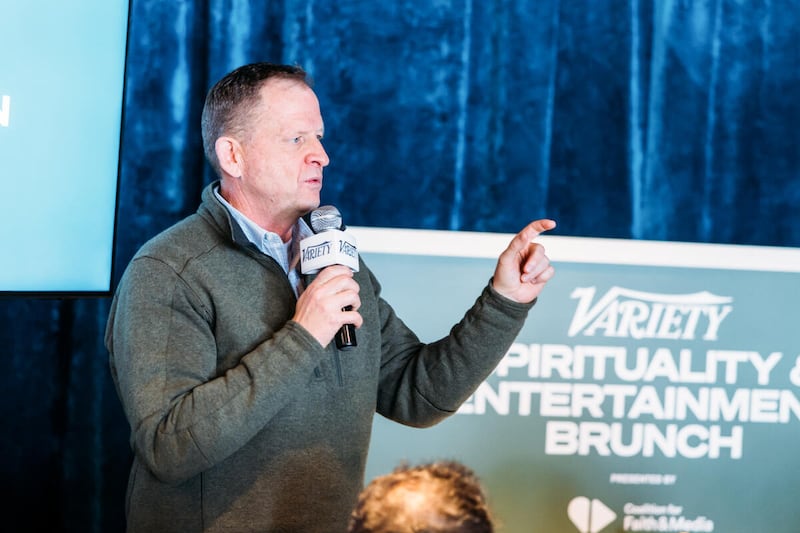
“Our goal,” he said, “is to bring resources to more complex, more nuanced, more accurate faith portrayals in normal storytelling.”
The top 10 faith scenes, by audience engagement
The top 10 faith scenes, according to audiences interviewed for the 2026 Faith and Entertainment Index:
- “The Pitt”: 77% said the scene integrated faith naturally through character experience. The scene earned an 80% score for entertainment impact.
- “Young Sheldon”: Sheldon convinces his mom to believe in God.
- “Nobody Wants This”: Joanne and Noah say “I love you” to each other.
- “Hacksaw Ridge”: Will Desmond plead guilty?
- “Hacksaw Ridge”: Desmond asks God for strength.
- “Nobody Wants This”: Noah’s sermon.
- “West Wing”: The president discusses a parable with a priest.
- “Hacksaw Ridge”: Desmond is jailed and speaks in court.
- “Selma”: Martin Luther King Jr. is in jail.
- “God’s Not Dead”: Sin is like a jail cell.
- Audiences respond to faith when it shows up in everyday moments—doubt, love, grief, courage.