



Parking lots can be hazardous — sometimes even fatal.
Marriner Rigby, 92, found that out while dodging gaping potholes and shopping carts left behind at the mall parking lot in St. George, Utah. With his eyes on the uneven surface ahead of him, Marriner didn’t notice as a truck driver carelessly shifted into reverse and gunned his vehicle just as he was walking behind it. Neither did the driver who backed over him, crushing his leg.
An ambulance was called, along with two elders from his Latter-day Saint ward. Retired TV weatherman Mark Eubank was one of them. Mark Eubank was one of them.
“We gave him a blessing that evening and a day or two later I called Marriner to see how he was doing,” Eubank said. But he didn’t stop there. Eubank kept calling. He called again and again until Marriner was released from the hospital and transferred to a rehab facility.
Mark kept calling and visiting for more than four and a half years. He called each day at 4 pm until Marriner passed away peacefully a few weeks ago from complications of old age.
“I’m an introvert,” Eubank says. “I don’t know exactly why we connected so easily. But we did. We talked about family, friends and finances, and, of course, the weather. Not like farmers who simply worry about enough rain or too much heat or a persistent wind. We’d really delve into details about the weather, among many other things. I don’t know how interested Marriner really was in the weather, but he listened intently anyway,” Eubank said, chuckling to himself.
Friendships can be difficult to develop at any age. For two older men who had been neighbors for years but never really chatted much with each other even at church, their story is remarkable. One: a “snowbird” with a continuing scientific interest in a unique topic; the other, a former rural elementary school principal who longed to spend as much time as possible fishing in Alaska.
An odd couple? Perhaps. But with an enduring connection they could recognize even if they couldn’t articulate how it came about.
While uniquely developed, theirs included three notable ingredients of any friendship: circumstances, interest and capabilities.
Circumstances
Sometimes friendships develop over time, but they can also begin with a bang. Something happens, seemingly by chance, to throw disparate people together. A traffic accident, a social event, or a casual conversation can turn into something more than a superficial “How are things going?”
That depends on two people (or more) deciding to overcome their inner sense of propriety (after all, haven’t we been told “Don’t talk to strangers”?) and take a risk by getting acquainted. This may not be enough to keep things going forever, but every new relationship has its own “origin story” and it nearly always begins with serendipity.
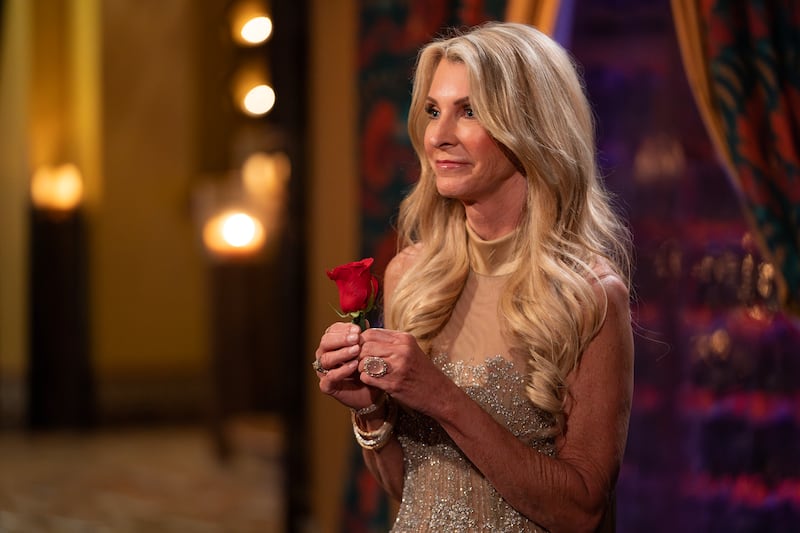
Take the television series, “The Golden Bachelorette,” for example. Two dozen men are selected to vie for Joan Vasos attention in a contrived “winner-take-all” structured television production. Despite the expectation that only one of them will be successful and the other 23 will be eliminated from contention by the season finale, uncharacteristically for the franchise series, the men seem to find genuine friendship with each other.
While the winner-take-all context may have initially worked against them, other factors supersede this barrier. Through reciprocal candor, further self-disclosure ensued. And friendships blossomed.
It’s remarkable that so many of the contestants reframed the event as a chance to get to know each other rather than compete against each other. Will any of them actually meet up later or jointly take their grandkids to Disneyland?
As we grow older, most of us simply want to belong, to be valued, to matter. In the 2024 television series "Matlock,” the actress Kathy Bates infiltrates a highly secure office building and solves an important legal case largely because her presence is ignored by others. Unnoticed, seemingly unimportant, she later notes that older people are often “invisible” in modern society.
After a lifetime of challenges, struggles and experiences, older adults are looking for others who “get them.” Rather than being “put out to pasture” or stereotyped as “over the hill,” they want to push past subtle messages about enjoying their golden years sitting at the pool, playing pickleball and going to discounted movies and restaurants.
Mattering is feeling valued, important and significant in life, pursuits and relationships. It’s making a difference, getting appreciated, and being needed. Mattering has three components:
- Attention: feeling like others notice you.
- Importance: feeling like others care about you.
- Dependence: feeling like others rely on you.
Mattering is a core human need for well-being and mental health. People who feel they matter extend themselves to others, show compassion, are willing to be vulnerable, find ways to contribute, and want to learn new things.
In contrast, people who feel like they don’t matter are grumpy, embittered, stubborn and cranky.
Interest
In the book A Man Called Ove, a quintessential angry old man spends his days enforcing block association rules that only he cares about. After a young family moves in next door and accidentally flattens Ove’s mailbox, an unlikely friendship forms. Unexpectedly needed, Ove bonds with the new family.
While initially Ove has no interest in becoming friends with anyone — in fact, he tries several times to take his own life — the young Iranian mother next door persists in getting acquainted because she desperately needs help. Seeing her dilemma up close and personal, his motivation for living and helping shifts. There is now something which seemingly only he can do. He matters. (The book was made into a delightful movie with Tom Hanks, called “A Man Called Otto”).
Motivation to do something new can be hard to come by. There is an old saying that you can lead a horse to water but can’t make him drink. Not true. I spent much of my early life around horses. Put a salt lick next to a watering trough and they will soon be drinking plenty.
Change the circumstances to change motivation. It happened to Mark Eubank. It happened to Ove. It happened to golden bachelorette contestants who likely would never have become friends had they met on the street or at an office party.
Worrying about being judged or turned down can especially discourage older people from trying to connect with others. Content in their own comfort zone, social circles diminish when friends move away or pass away.
“All my friends are dead,” Faye Matthews announced to her adult children on her 96th birthday. “I don’t know why I’m still around. I used to serve others, now it seems I’m often just a service project for them.”
“No one knows me in my neighborhood,” Marleen Chappell says. “But there is a local widow and widowers group I’ve joined that has been a significant way for me to find new friends. It’s easier to relate to people who have similar circumstances to my own. While there’s a wide age range in our group, we have at least one common experience that we all share.”
Once she joined the group, Chappell found others with similar interests in golf, pickleball, and hiking. “I miss my husband and I’m terribly lonely at times, but I’ve made friends with women with whom I can share my grief and loneliness. I get together with several of them who live in different cities and we even go on trips together.”
Capabilities
Many people become more comfortable with standard routines and long-established friends as they age and find it difficult to try something new. Popular films such as “Steel Magnolias“ or “Barbershop” depict this tendency for both men and women. Unless circumstances or interests change, the status quo is maintained.
Breaking out requires fresh or long unused skills — new capabilities — to match changing circumstances and a renewed interest in meeting others. It’s hard to go from wallflower to social butterfly without a revised skill set.
It’s easy to be around people who are personable. They attract others. Such people know how to “read a room” and how to start a conversation, how to pick up on social cues and how to be persistent without nagging. In fact, recent research suggests that personableness is a learned skill, not an ingrained trait — and equally dispersed among both introverts and extroverts. This is related to five distinct skills:
- Starting a conversation begins by noticing and commenting on something out of the ordinary. This could be an article of clothing, a weather pattern, a sidewalk scene. It doesn’t have to be much, and it shouldn’t be weird or outlandish.
- Letting go of preconceptions may require an update of who we think we might like — and who we may think isn’t our type.
- Picking up on social cues starts with “reading the room” and discerning who may be open for a conversation and who wants to remain detached. There’s a time and place for everything, the book of Ecclesiastes reminds us.
- Trying hard, but not too hard is all about finding balance between talking and listening, asking and sharing, taking your best shot while keeping your powder dry.
- Learning persistence without nagging takes patience and discernment to know “when to hold ‘em, know when to fold ‘em, know when to walk away, know when to run” as Kenny Rogers sang in “The Gambler.”
Studies show a strong link between maintaining social connections and having better overall mental and physical health. While making new friends later in life takes time and patience and effort, it is well worth it.
We are simply better together.